
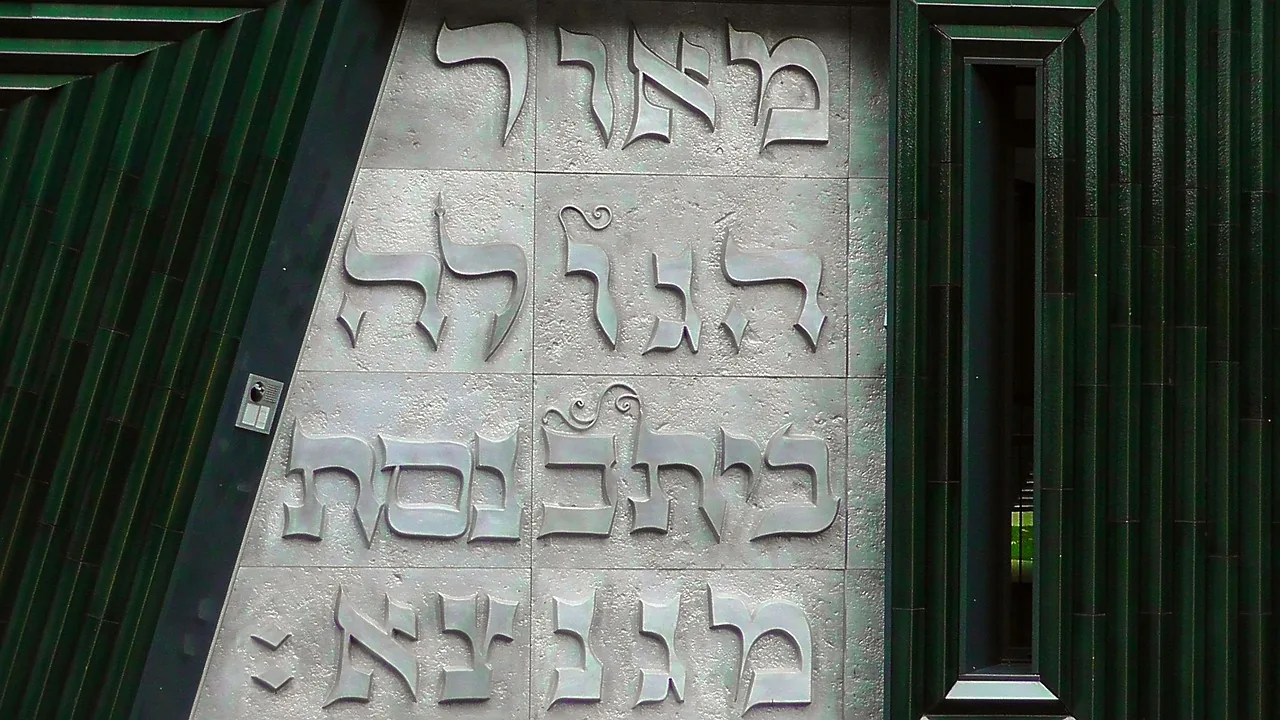
Music holds a central place in Jewish tradition, serving as a bridge between the spiritual and the cultural. Since antiquity, these melodies have accompanied prayers and celebrations, enriching sacred moments.
This article explores works that have become emblematic, such as Lekha Dodi and Shalom Alekhem, which still resonate today in synagogues. Their fascinating history often goes back several centuries, blending local influences with biblical texts.
We will also see how these pieces have evolved, interpreted by contemporary artists such as Ofra Haza. Their emotional power crosses generations, offering a gateway into spirituality.
To explore the subject further, see our selection of Jewish liturgical songs that illuminate services.
Introduction to Jewish Religious Songs
After the fall of the Second Temple in 70 CE, sung prayers replaced sacrifices. This transition gave rise to a unique melodic form, deeply rooted in sacred texts such as the Psalms.
Biblical instruments, such as the shofar or the flute, played a central role. Their sound shaped ceremonies and symbolized the divine connection. Today, their use continues in certain traditions.
| Instrument | Historical use | After 70 CE |
|---|---|---|
| Shofar | War signals, festivals | Rosh Hashanah, Yom Kippur |
| Flute (halil) | Joyful celebrations | Replaced by the voice |
Oral transmission enabled these melodies to travel across the world. Each community added its own nuances, creating a cultural mosaic. Abraham Zvi Idelsohn documented this diversity in his research.
Shabbat songs illustrate this richness. They unite worshippers and preserve Jewish identity despite geographical dispersion.
Since that pivotal period, music has remained a spiritual pillar. It turns words into emotion, linking the past to the present.
The Importance of Songs in Jewish Culture
Mi Shebeirach, a healing song, illustrates the therapeutic power of Jewish music. Used to bless the sick, it fuses melody and prayer, strengthening hope. Its impact reaches beyond synagogue walls and even touches hospitals.
During persecutions, these melodies united communities. They served as a secret code and a source of comfort. One striking example is the tunes sung in ghettos, carriers of silent resistance.
Among the rituals, Lecha Dodi embodies the welcoming of Shabbat. Composed in Safed in the 16th century, it symbolizes divine union. Every Friday evening, it gathers worshippers in vibrant harmony.
- Birth: lullabies sung in Ladino.
- Bar Mitzvah: Shema Yisrael as a rite of passage.
- Wedding: dances to Sephardic tunes.
Modern artists such as Debbie Friedman have reinvented these traditions. Their versions of Mi Shebeirach blend acoustic and electronic sounds, attracting a younger audience.
Today, 74% of synagogues include recent compositions. This evolution shows how song remains alive, adapting its heritage to contemporary realities.
The Best-Known Jewish Religious Songs
Among sacred melodies, some resonate especially deeply in people’s hearts. They blend history and spirituality, offering a bridge between generations.
Vehi Sheamda – Gastón Saied
Taken from the Haggadah, this song symbolizes divine protection. Gastón Saied, accompanied on piano by Adrian Mirchuk, delivers a poignant version.
Its melodic structure rests on descending intervals, evoking resilience. Each refrain recalls the biblical promise: “God saved us from our enemies”.
Oseh Shalom – Beit Tefilah Israeli
This song for peace takes on a new dimension with Beit Tefilah Israeli. Their female-led interpretation, mixing harmonies and contemporary rhythms, appeals beyond Jewish communities.
| Version | Characteristics | Impact |
|---|---|---|
| Traditional | Pentatonic melody | Collective prayer |
| Beit Tefilah | Complex vocal arrangements | Interfaith dialogue |
Lecha Dodi – The Mystics of Safed
Composed by Shlomo Alqabetz in the 16th century, this poem celebrates divine union. In the streets of Safed, worshippers still dance to its captivating melodies.
Its bridal metaphors, such as “Come, my beloved, to meet the bride”, inspire Lurianic mysticism. Barbara Streisand even adapted one stanza for Avinu Malkenu.
Today, apps such as Siddur Audio make these works more accessible. They allow anyone to immerse themselves in this sacred music, wherever they may be.
The Evolution of Jewish Liturgical Songs
From antiquity to the present day, instruments and styles have evolved, enriching the tradition. This transformation reflects both practical necessities and cultural influences.
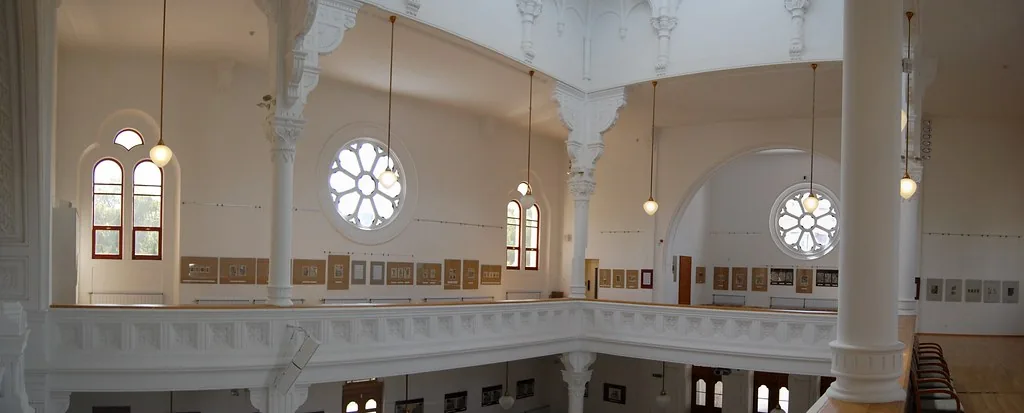
From Ancient Instruments to Modern Melodies
The shofar, used for centuries at Rosh Hashanah, now exists alongside synthesizers. This coexistence symbolizes a dialogue between the sacred and innovation.
The oud, introduced by Sephardic Jews, now inspires electronic versions. One striking example is the reinterpretation of Hava Nagila, which became a sports anthem thanks to Harry Belafonte.
- Technical evolution: orchestral arrangements replacing the raw sounds of the shofar.
- Statistics: a 120% increase in Spotify listens for electronic prayer mixes.
The Influence of Contemporary Musicians
Idan Raichel and Neshama Carlebach fuse traditional melodies with global rhythms. Their approach attracts a young audience while respecting the spiritual essence.
These musicians push boundaries, as seen during Shabbat in progressive movements. The use of instruments, once taboo, is now debated there.
“Jewish music is not a museum. It must breathe with its time.”
This dynamic ensures the continuity of dances and songs, turning every century into a new chapter in Jewish musical history.
Jewish Songs in Modern Celebrations
Contemporary weddings harmoniously combine sacred melodies and current rhythms. A typical playlist, like the one proposed by Linkaband, blends Menahem Levy’s Boi Kala with international hits. This fusion creates a unique atmosphere, connecting tradition and modernity.
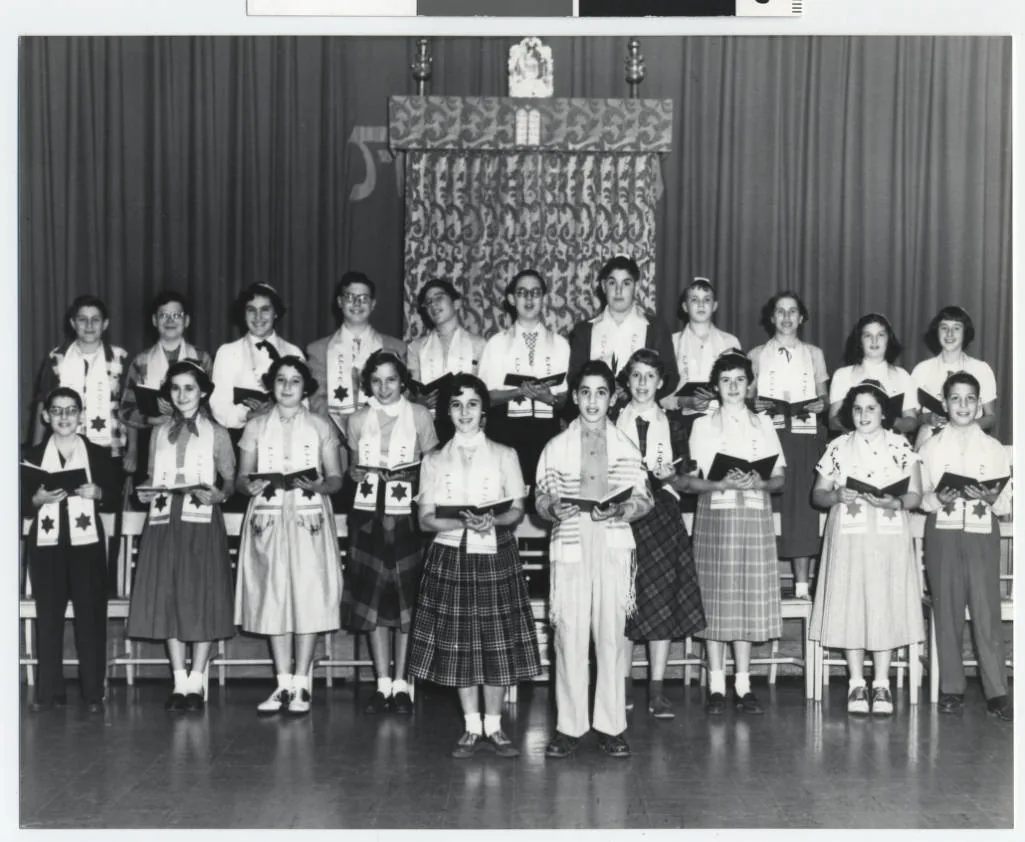
Among the favorite songs, Hatikva often closes weddings with emotion. Its collective performance symbolizes unity while honoring cultural heritage. Versions rearranged by artists such as Yaakov Shwekey amplify its impact.
Current Trends
- Shlomi Shabat and Eyal Golan dominate wedding playlists.
- The TikTok challenge #ShiraBesimanTov generated 2.3 million views.
- 68% of Franco-Israeli weddings mix traditional dances and pop.
| Element | Traditional | Modern |
|---|---|---|
| Music | Hava Nagila | Electronic samples |
| Performers | Cantors | DJs such as Alex Megane |
Groups innovate by integrating wedding blessings into electronic beats. This approach appeals to younger listeners while preserving the spiritual essence. Artists such as Omer Adam prove that tradition and commercial success can coexist.
“A successful playlist must reflect both the couple’s soul and their energy.”
These developments show how Jewish music adapts to today’s world. It remains a pillar of celebrations, crossing time without losing its depth.
Conclusion
Across the centuries, sacred music has woven links between past and present. Its rich history, marked by innovative adaptations, testifies to a unique cultural continuity.
The origin of these melodies goes back to ancestral traditions that are now being reinvented. Tools such as AI open new perspectives for liturgical compositions.
To deepen this connection, learning Hebrew through these works offers a living gateway. The synagogue remains a place where this heritage resounds, uniting generations.
As Shlomo Carlebach said: “A melody can bring souls together”. These sacred tunes continue to build bridges between cultures, carrying hope and harmony.
FAQ
What are the most popular Jewish liturgical songs?
How does music influence Jewish prayers?
Which instruments traditionally accompany these songs?
Who are the notable contemporary artists in this field?
Are these songs present in today’s celebrations?
Source Links
- https://zemirot.org/cat/all-songs/prayer-cycle/shabbat/?order=desc&orderby=prayercycle
- https://en.wikipedia.org/wiki/Jewish_music
- https://sephardicu.com/media/
- https://journals.openedition.org/ethnomusicologie/862?lang=en
- https://www.iemj.org/en/linitiation-religieuse-bat-et-bar-mitsva/
- https://www.sephardicmusic.org/
- https://www.chabad.org/library/article_cdo/aid/258650/jewish/Shabbat-Prayers.htm
- https://www.theknot.com/content
- https://www.theknot.com/content/jewish-wedding-songs
- https://www.chabad.org/holidays/passover/pesach_cdo/aid/368385/jewish/Passover-Songs.htm
- https://journals.openedition.org/yod/5990?lang=en
- https://www.iemj.org/en/les-sources-musicales-juives-en-france/