

Africa’s sacred music is a cultural treasure that brings communities together. Carried by deep emotions, it expresses a unique connection between the visible and the invisible.
Oral traditions play a central role. Passed down from generation to generation, these sacred sounds fascinate through their polyrhythms and spellbinding melodies.
Instruments such as the djembe and the balafon enrich these expressions. Their rhythmic power even influences modern music, as shown by the worldwide success of “Jerusalema”.
These ancestral practices continue to inspire. They remind us of the importance of spirituality in a changing world.
Introduction to African religious songs
A sonic heritage in which every vibration tells a divine story. Africa’s sacred songs are far more than an artistic expression. They embody quiet resistance and unshakable faith.
These melodies grow from a unique fusion. Local animist traditions meet the Christian hymns brought by colonization. The result? A hybrid music, rich in symbols.
Discover the key roles of these harmonies:
| Type of song | Context | Typical instruments |
|---|---|---|
| Harvest rituals | Agricultural celebration | Balafon, drums |
| Funerals | Passage to the afterlife | Voices, bells |
Griots, guardians of oral tradition, play a central role. Their sung narratives preserve history and community values.
The call-and-response technique creates a unique connection. The leader launches a phrase, and the assembly answers. This practice strengthens unity and collective emotion.
The historical origins of African sacred songs
Behind every note lies a legacy of resistance and survival. These melodies, born in adversity, have crossed the centuries to tell an often forgotten story.
From ancestral traditions to Negro Spirituals
From the seventeenth century onward, African communities used trance songs to honor their ancestors. These practices evolved during slavery, merging with Christian hymns.
Negro Spirituals were born from this forced encounter. They also served as secret code:
- “Wade in the Water” guided escapes toward the North.
- “Swing Low, Sweet Chariot” evoked the road to freedom.
“These songs were our maps and our compasses.”
The influence of slavery and colonization
In the nineteenth century, European missionaries introduced the organ into churches. Underground groups adapted these instruments to preserve their faith.
Black American churches played a key role. They transformed these melodies into acts of resistance, leaving a permanent mark on musical history.
African religious songs: rhythms and spirituality
Africa vibrates with sacred melodies that transcend eras. These musical expressions unite body and soul, creating harmony between the visible and the invisible.
The power of syncopated rhythms
Syncopations and offbeats bring these compositions to life. They captivate through their energy, often accented on the second and fourth beats.
Three rhythmic techniques stand out:
- The shuffle, which creates a swaying effect
- Body percussion, for active participation
- Polyrhythms, which create collective trances
The spiritual and communal dimension
These melodies strengthen social bonds. Circular dances symbolize unity, while drums serve as a bridge between earth and sky.
In Benin and Togo, certain rhythms trigger states of possession. They then become tools of healing or divine connection.
“The heartbeat guides our steps. It is the first music, the one that unites us all.”
Discover how these traditions influenced modern gospel. A story of resistance and faith that continues to inspire.
Instruments and voices in African religious songs
Africa’s sacred melodies come alive through unique instruments and powerful vocal harmonies. Each element adds a spiritual and cultural dimension to these performances.
Tools filled with symbolism
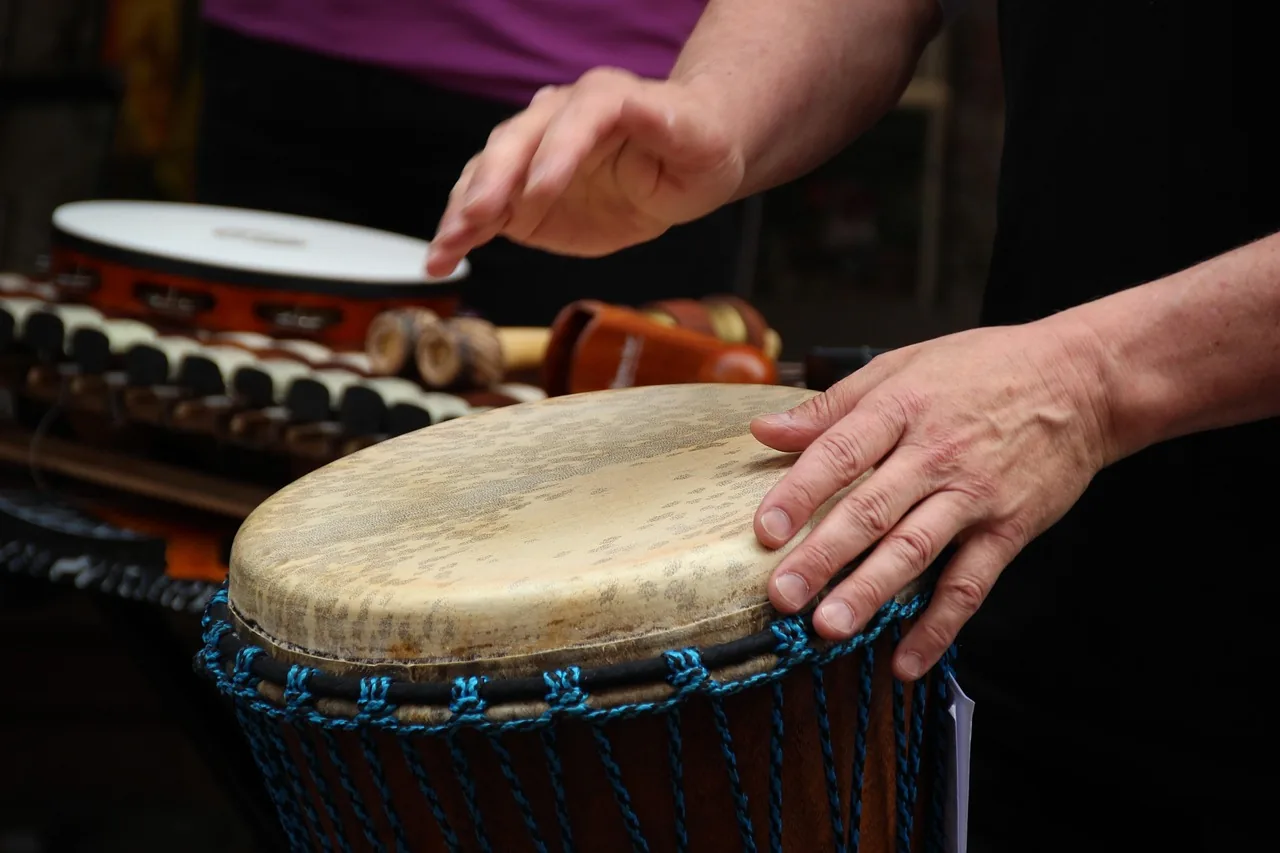
Sacred music draws on handcrafted objects with rich sounds:
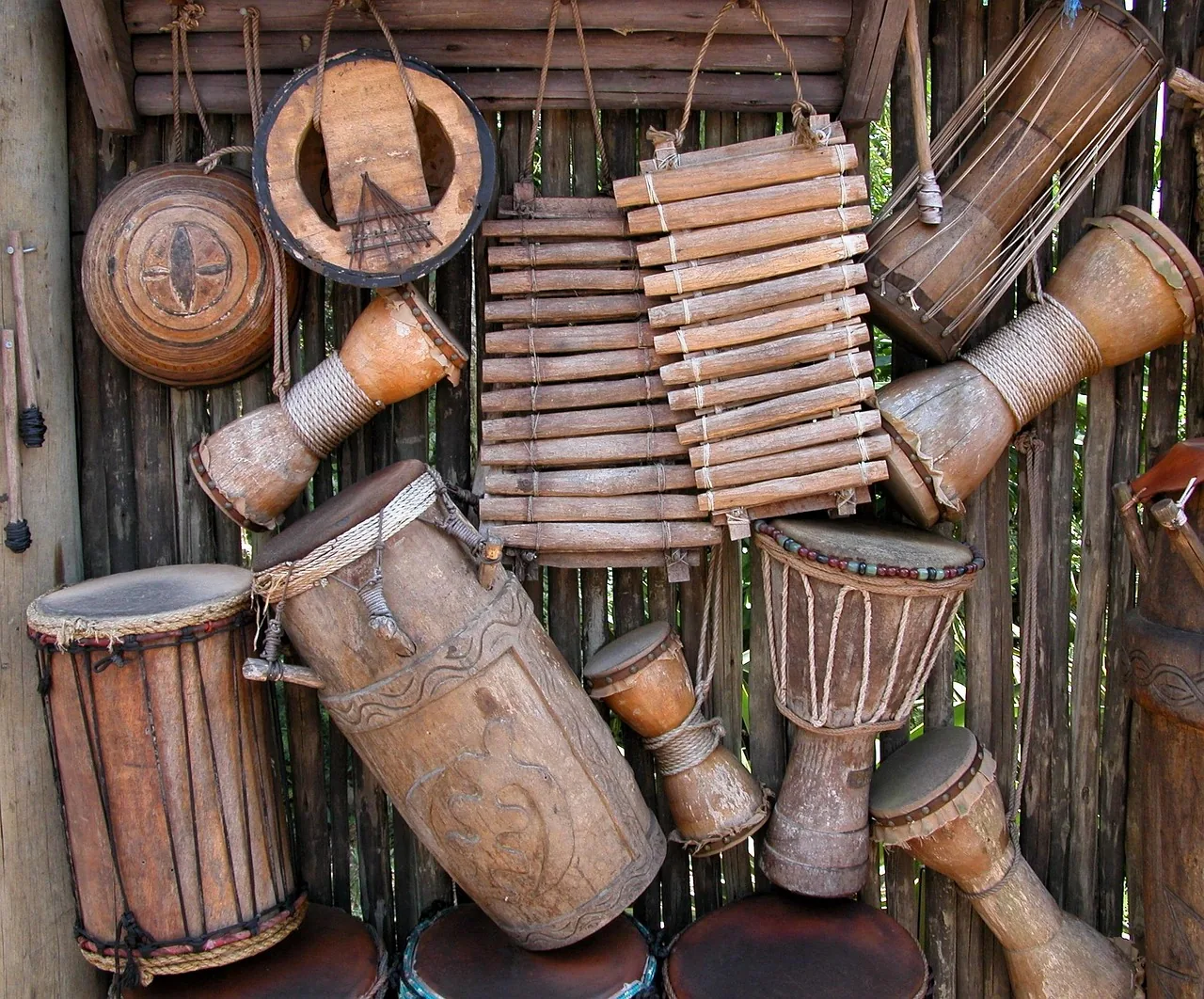
- The balafon, used in Vodun ceremonies, symbolizes communication with spirits.
- Dundun drums, made in Mali, mark the rhythm of healing rituals.
- Double bronze bells call invisible forces during celebrations.
Tradition lives on through ancestral techniques. The kora, a harp-lute, embodies this link between past and present.
The power of voices
Voices play a central role, with varied techniques:
- Ululations, to mark key moments in ceremonies.
- Yodeling, inherited from nomadic peoples.
- Harmonization in parallel thirds, inspired by gospel choirs.
The women’s choirs of Pentecostal churches bring a distinctive energy. Their spellbinding character intensifies collective fervor.
“Without our instruments and our voices, the spirits would not hear us.”
Groups such as Ladysmith Black Mambazo show how these traditions withstand time. Their music resonates far beyond African borders.
Modern evolution and global influence
Ancestral sounds have conquered the modern world with unexpected force. This musical evolution shows how traditions withstand time while adapting.

From gospel to contemporary music
Artists such as Mahalia Jackson paved the way. Their legacy lives on today in bold fusions:
- Sinach’s electro Afrobeat from Nigeria
- Miriam Makeba’s pop covers of “Malaika”
- Burna Boy’s gospel collaborations
In France, this contemporary music resonates strongly. Modern gospel attracts diverse audiences through its energy.
When an anthem crosses borders
Master KG’s “Jerusalema” became the anthem of lockdown in 2020. With 500 million views, the track proves one truth:
“Sacred music has no borders. It unites the whole world in the same dance.”
Social media amplifies this phenomenon. From African choirs to European churches, the influence is palpable. Diasporas recreate these harmonies far from their homeland.
An analysis of the lyrics reveals deep roots. “Jerusalema” draws on Psalm 137, showing how artists reinvent sacred texts for the whole world.
The unique characteristics of African religious songs
Africa’s sacred melodies stand out through unique sonic features. Their richness lies in musical techniques rarely matched elsewhere.
Modality and pentatonic scales
Five-note scales dominate these compositions. Unlike Western scales, they include expressive micro-intervals.
The Dorian mode, often heard, adds a melancholy color. These characteristics create an atmosphere that is both spellbinding and spiritual.
| Type of scale | Region | Notable example |
|---|---|---|
| Minor pentatonic | West Africa | Yoruba songs |
| Hexatonic | Ethiopia | Liturgical melodies |
Improvisation and collective participation
Improvisation guides performances. Soloists adapt their phrases to the emotion of the moment, inspired by the group’s fervor.
Active participation is essential:
- Hand clapping in counterpoint.
- Call-and-response between leader and choir.
- Circular dances to unite the assembly.
This living orality is transmitted without written scores. As in jazz, every interpretation is unique, blending tradition and spontaneity.
“Music is born when heart and body answer the moment.”
Conclusion
Sacred melodies weave a bridge between past and present. Projects such as those of UNESCO preserve this heritage in the face of globalization, while contemporary artists reinvent it.
These traditions offer a precious educational tool. Transmission to younger generations creates an intercultural dialogue, as shown by the work of modern choirs.
As Ambroise Kua-Nzambi Toko emphasizes, this music carries a universal value. It continues to enrich our shared future through its spiritual depth and rhythmic energy.
FAQ
What are the main instruments used in these musical traditions?
How did slavery influence these practices?
Why are syncopated rhythms so important?
How have these hymns evolved in modern music?
What place does improvisation have in these songs?
Are there marked regional differences?
Source Links
- https://folkways.si.edu/sacred-rhythms-of-cuban-santeria/caribbean-latin-world/music/album/smithsonian
- https://www.mdpi.com/2076-0752/14/3/68
- https://www.mdpi.com/2076-0752/14/3/68
- https://www.nps.gov/teachers/classrooms/freedom-is-coming-lesson-5.htm
- https://timeline.carnegiehall.org/genres/gospel-choir
- https://africanmusiclibrary.org/genre/Kora
- https://ich.unesco.org/en/RL/polyphonic-singing-of-the-aka-pygmies-of-central-africa-00082
- https://www.mdpi.com/2076-0752/14/3/68
- https://organology.net/collections/african-traditional-instruments/
- https://timeline.carnegiehall.org/genres/gospel-choir
- https://www.nps.gov/teachers/classrooms/freedom-is-coming-lesson-5.htm
- https://deepriver.site/