
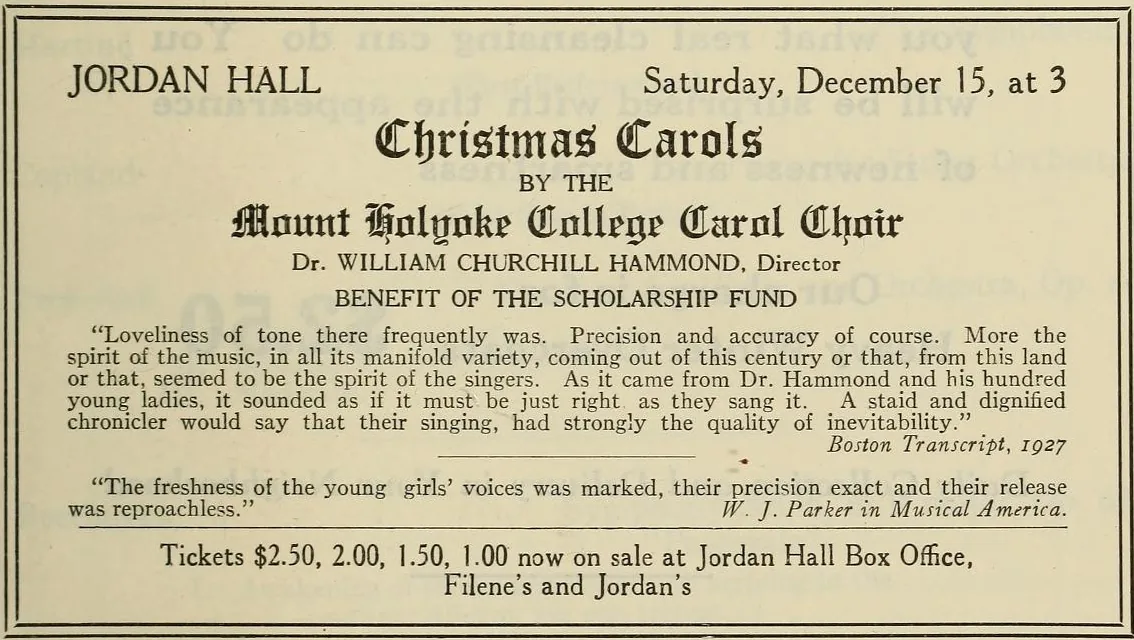
In France, year-end celebrations are often accompanied by traditional melodies. These compositions, passed down from generation to generation, enrich Masses and family gatherings.
They evoke the Nativity and deepen the sense of spirituality. Among the best known, “Silent Night, Holy Night” and “He Is Born, the Divine Child” remain just as inspiring.
The Petits Chanteurs de Sainte Cécile perform these works with remarkable vocal purity. Their contribution preserves a unique musical heritage.
The history and tradition of Christmas carols in France
Exploring the melodic world of winter celebrations reveals a rich and complex heritage. These compositions, born in churches and monasteries, have crossed the centuries to become cultural symbols.
Their origin goes back to the liturgical dramas of the Middle Ages. These theatrical presentations, often accompanied by Gregorian melodies, staged the Nativity.
Medieval and liturgical origins
As early as the 4th century, Latin hymns such as “Gloria in Excelsis Deo” laid the foundations. Monasteries played a key role in preserving them.
In the 16th century, one of the oldest French examples appeared: “Entre le bœuf et l’âne gris”. This hymn marks the transition toward the vernacular.
The evolution of popular hymns
The 18th and 19th centuries saw the rise of pastorales. These works, such as “Il est né, le divin enfant”, incorporated folk elements.
Printing accelerated their spread. Texts adapted to local dialects, enriching the regional tradition. Provence and the County of Nice became creative centers.
To explore this fascinating history further, see the archives of traditional carols.
Religious Christmas Carols in French to Sing: the essentials
Three emblematic compositions light up the year-end holidays. Their melodic simplicity and evocative lyrics make them pillars of the celebrations.
“Silent Night, Holy Night”: a universal hymn
Created in 1818 by Franz Xaver Gruber, this carol conveys the peace of the Nativity. The French version, with its five stanzas, evokes the tranquility of Bethlehem.
Originally “Stille Nacht”, it conquered the world. The Petits Chanteurs de Sainte Cécile offer a crystalline interpretation of it.
“He Is Born, the Divine Child”: the joy of the Nativity
This 18th-century song captivates listeners with its lively refrain. The words celebrate the birth of the divine child with contagious gladness.
Its dancing rhythm makes it a favorite at evening gatherings. Parish choirs often perform it with light percussion.
“Angels We Have Heard on High”: the announcement to the shepherds
Inspired by the Gospel according to Luke (2:14), this carol takes up the “Gloria in excelsis Deo”. It describes the scene in which the angels appear to the shepherds.
The melody, both solemn and joyful, underlines the importance of this announcement. It is a midnight Mass classic.
Christmas Mass hymns
Christmas Mass is illuminated by timeless sacred melodies. These musical pieces accompany each liturgical moment, creating an atmosphere that is both solemn and joyful.
The Ordinary of the Mass: Kyrie, Gloria, Sanctus
The Gloria, absent during Advent, returns to its place with festive versions such as “Accourons tous à la crèche”. This song celebrates divine glory with spirited melodies.
The Kyrie and the Sanctus structure communal prayer. The Messe de l’Ermitage offers modern interpretations of these ancient texts.
Children’s choirs bring a touch of purity to the polyphonic sections. Their crystalline voices heighten the spiritual emotion.
Processional and Communion hymns
Processional hymns, such as “Puisque Dieu nous a aimés”, guide the faithful. They mark movement through the church with gentle solemnity.
At Communion, hymns such as “Aujourd’hui le roi des cieux” unite the congregation. These simple melodies encourage recollection.
Jubilus and ADF editions provide scores adapted to each moment. Their repertoire respects liturgical guidelines while also innovating.
Traditional songs for Christmas Eve gatherings
Year-end evening gatherings come alive with timeless melodies. These works, passed down for centuries, captivate through their simplicity and spiritual depth.
“Entre le bœuf et l’âne gris”: the simplicity of the crib
This 16th-century carol, by an anonymous author, depicts the Nativity scene with touching humility. The animals of the crib symbolize warmth and protection.
The original version contains archaic wording such as “entre le bœuf et l’âne gris”. Modern adaptations preserve this poetry while updating the vocabulary.
“Between the ox and the grey donkey
Sleeps, sleeps, the little son”
Old scores reveal a sober melody, ideal for family choirs. Discover other musical treasures from this period.
“O Holy Night”: the solemnity of the Nativity
Composed in 1847 by Placide Cappeau to music by Adolphe Adam, this song evokes the sacred night with rare intensity. Its powerful refrain stays in the mind:
“O holy night, the stars are brightly shining
It is the night of our dear Savior’s birth”
The work combines orchestral grandeur with popular fervor. Contemporary interpretations preserve this duality, between tradition and modernity.
Its success lies in its ability to express collective emotion. Each note carries the hope of universal redemption.
- Strong symbolism of animals in sacred art
- Contrast between simplicity and solemnity
- Adaptations for modern choirs
Hymns from Advent to Epiphany
From Advent to Epiphany, sacred music accompanies every spiritual stage. These melodies, carried by centuries of tradition, guide the faithful from waiting to celebration.
Songs for Advent: awaiting the Savior
Advent marks a time of preparation. Works such as “Venez divin Messie”, adapted from Adeste Fideles, embody this waiting. Their slow rhythm and meditative lyrics invite recollection.
Among the essentials:
- “The Voice Crying in the Wilderness”, evoking John the Baptist.
- “In You, O Mother of the Savior”, a tribute to Mary.
These pieces, available on chantonseneglise.fr, fit perfectly into services.
Songs for Epiphany: the visit of the Magi
Epiphany celebrates Christ’s manifestation to the Magi. Hymns such as “Arise, Shine” (KX 230) symbolize divine light. Their joyful tone contrasts with the sobriety of Advent.
The symbolism is strong:
“A light has risen; it guides our steps toward the Child.”
Choirs such as Resurrexit perform these works with remarkable intensity.
How to include these hymns in your celebrations
Sacred melodies enrich every moment of the holidays. For a harmonious experience, adapt them to the different liturgical times and to the participants.
Choosing hymns according to the liturgical moment
The SNPLS recommends three criteria:
- The text should correspond to the day’s biblical message
- The rite (procession, Communion) guides the musical style
- The pastoral context (families, choirs) influences the choice
During Advent, favor works such as “Venez divin Messie”. For midnight Mass, “O Holy Night” creates a solemn atmosphere.
Learning and sharing the words with children
Simplify learning with these methods:
- Break “Silent Night” into 7 steps corresponding to the stanzas
- Use gestures to memorize the lyrics
- Create a drawing contest inspired by the carols
The Narthex website offers training suited to young people. Its resources help turn learning into play.
For children, combine music with crafts. Making a crib while singing “Entre le bœuf et l’âne gris” keeps the tradition alive.
Conclusion: the spiritual power of Christmas carols
These musical compositions cross the centuries, carrying a deep spirituality. They unite generations around shared values, blending tradition and emotion.
Their power lies in their ability to transmit the peace and joy of the holidays. Each note becomes a living link between past and present.
To explore this heritage further, discover the history of traditional hymns. These resources reveal their role in religious education.
Take part in local celebrations to experience this shared moment. These unique occasions strengthen community bonds while honoring our heritage.
FAQ
What are the most popular religious Christmas carols in French?
Where do Christmas carol traditions in France come from?
Which hymns are suitable for Christmas Mass?
How should you choose carols for a family Christmas Eve gathering?
Are there specific hymns for Advent and Epiphany?
Where can you find the lyrics and scores for these hymns?
Source Links
- https://www.churchofengland.org/search-results?keys=prayer%20worship%20worship%20texts%20resources%20common%20worship%20churchs%20year%20times%20seasons%20christmas%20season
- https://www.pianoshelf.com/sheetmusic/christmas
- https://choralnet.org/
- https://en.wikipedia.org/wiki/Christmas_carol
- https://www.english-heritage.org.uk/members-area/members-magazine/podcast-extras/history-of-carols
- https://www.plymouth.ac.uk/discover/the-history-of-christmas-carols
- https://hymnary.org/browse/popular/christmas
- https://www.hymnary.org/texts?qu=christmas
- https://www.churchofengland.org/search-results?keys=prayer%20worship%20worship%20texts%20resources%20common%20worship%20churchs%20year%20times%20seasons%20christmas%20season
- https://www.nationaltrust.org.uk/discover/history/why-do-we-sing-christmas-carols
- https://www.hymnsandcarolsofchristmas.com/Hymns_and_Carols/entre_le_boeuf_et_l_ane_gris.htm
- https://www.catholicculture.org/culture/liturgicalyear/activities/view.cfm?id=1168
- https://www.goarch.org/-/hymns-from-theophany
- https://en.wikipedia.org/wiki/Advent
- https://www.ocp.org/en-us
- https://www.catholicculture.org/culture/library/view.cfm?id=12020
- https://www.britannica.com/topic/gospel-music
- https://www.hearstnetworks.com/
- https://www.churchofengland.org/prayer-and-worship/worship-texts-and-resources/common-worship/churchs-year/times-and-seasons/advent
- https://www.plymouth.ac.uk/discover/the-history-of-christmas-carols