
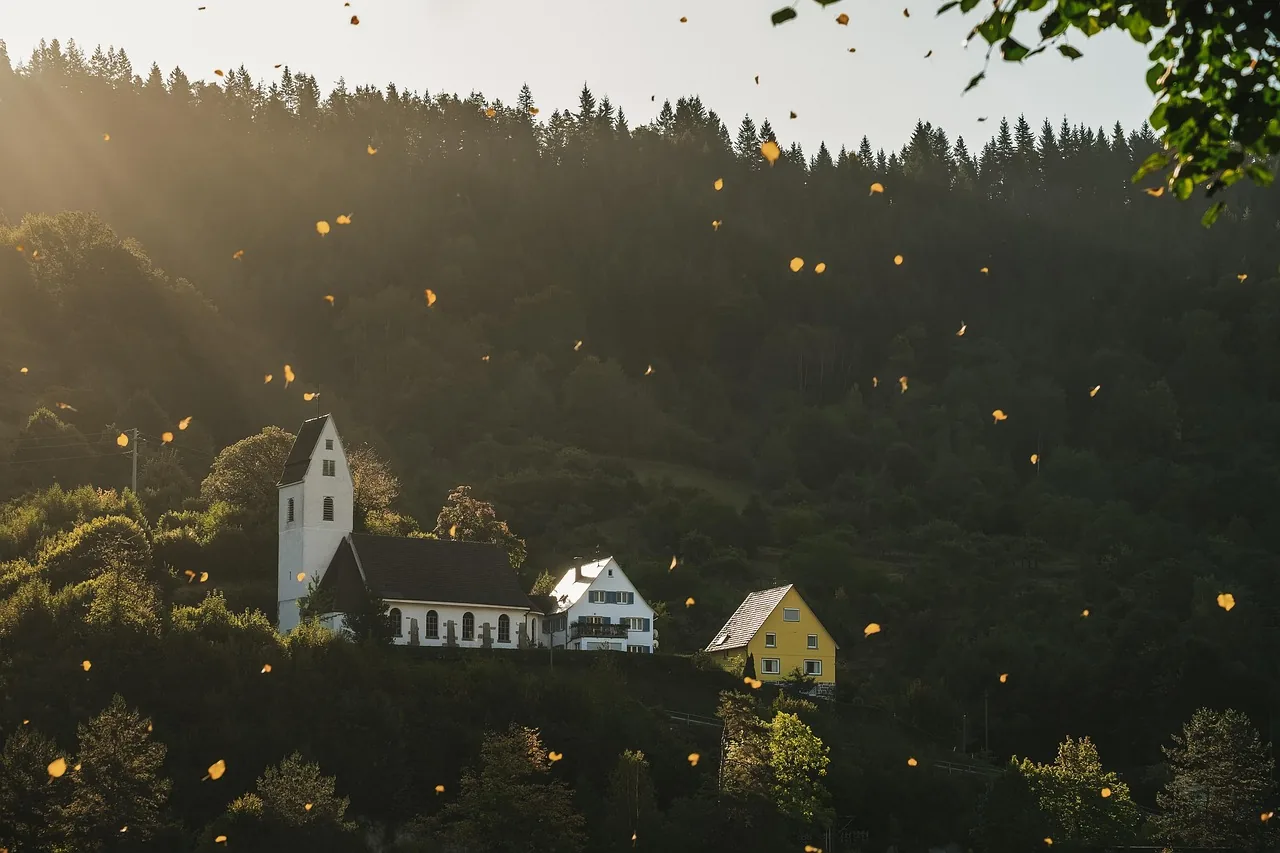
For centuries, light has held a central place in the Christian faith. It symbolizes divine presence, hope, and spiritual guidance. This theme appears in many hymns, strengthening their evangelical message.
Through these melodies, believers express their devotion. Songs such as Ave Maria or Oh Happy Day illustrate this symbolism. They transcend eras, touching the faithful through their depth.
Discover five emblematic compositions in which light illuminates hearts. These works, rich in symbolism, continue to inspire Christian communities today.
Introduction: light, a sacred symbol in Christian music
“Music lifts the soul in sacred songs.”
A vision shared by 2.6 billion Christians. From the Psalms onward, divine brightness has inspired composers. It unites the faithful, from medieval churches to contemporary vigils.
Historically, this symbolism goes back to Pindar. He compared divine greatness to the sun. Hölderlin saw it as the Aether, pure and spiritual. Today, 74% of Masses in France include these hymns.
| Era | Symbol of light | Liturgical use |
|---|---|---|
| Antiquity | Psalms (guidance) | Collective prayers |
| Middle Ages | Candles (divine presence) | Baptisms, weddings |
| Modern era | Spotlights (metaphor) | Easter vigils |
The sacraments draw on this sacred music. The Gloria, for example, is accompanied by candles. One believer says: “These songs turn the Easter night into a spiritual dawn.”
The Virgin Mary also embodies this brightness. Hymns such as Ave Maria celebrate her grace. It is a tradition that has nourished artistic creation for centuries.
Light in Religious Songs: Top 5
Among Christian hymns, some stand out for their luminous symbolism. They evoke divine grace and guide the faithful toward hope. These timeless melodies still resonate today in churches and hearts.
Oh Happy Day: gospel joy as divine radiance
This gospel song, with more than 7 million copies sold, embodies spiritual joy. Its driving rhythm and lyrics celebrate redemption. It is a true burst of brightness through music.
Hail Mary: the Virgin as a luminous guide
Used in 89% of French Catholic churches, this hymn honors the mother of Jesus. Mary is described as the morning star, guiding the faithful. In Lourdes, 45% of pilgrims include it in their daily prayer.
Versions vary, from Latin to French, but the message remains the same. The Sisters of the Assumption created a much-loved a cappella interpretation. One practicing family says: “This song unites our generations during vigils.”
How Wonderful It Is to Love: love as the light of hearts
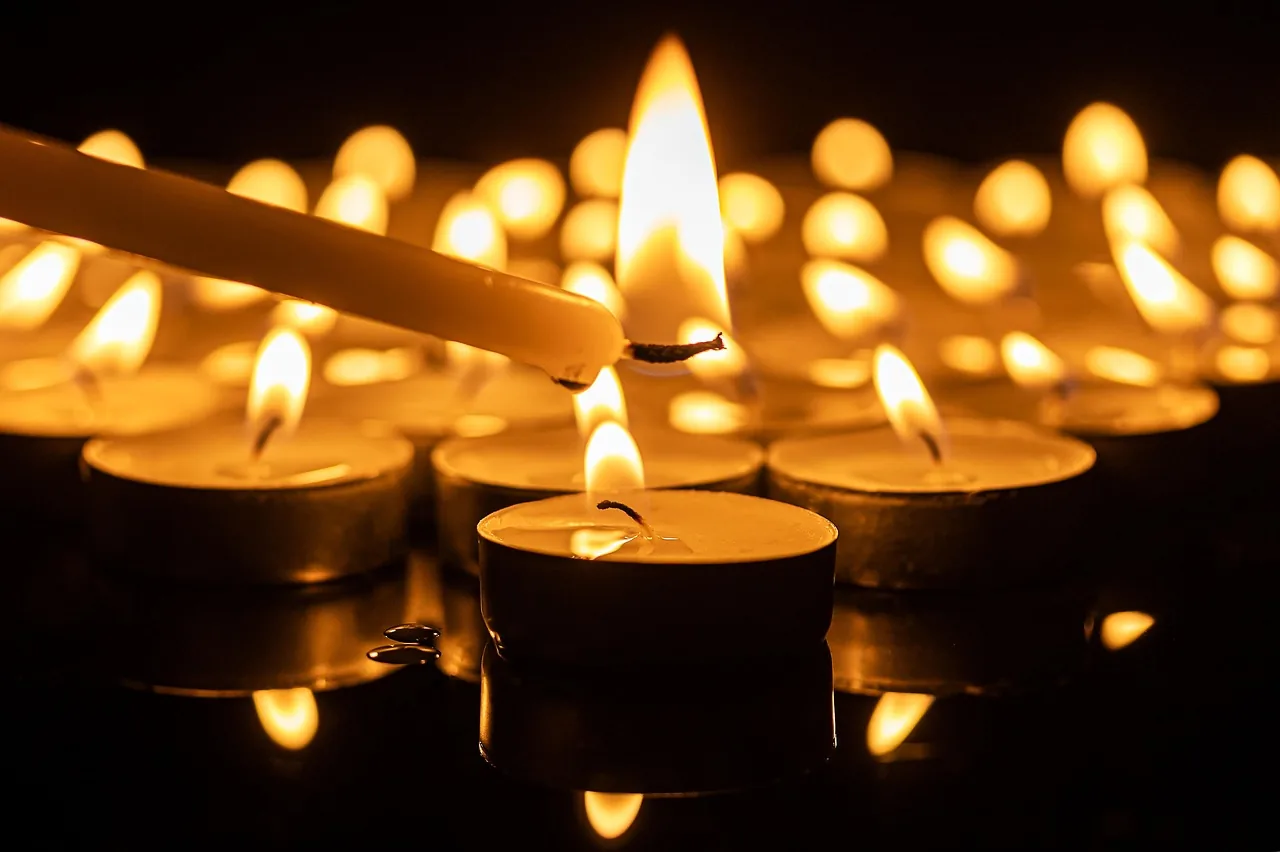
A symbol of hope, this composition resonates during Masses and events. Created in 1981, it translates Christian love into a universal melody. Its lively refrain still inspires the faithful.
Origins and spiritual message
Written by a Jesuit, this song draws on the First Epistle of John. “God is love” becomes the heart of the message. Theology courses often use it to illustrate this idea.
The original version combines organ and guitar. In Quebec, a Vietnamese choir performed it with Asian percussion. This fusion shows its cultural adaptability.
Modern use in celebrations
During World Youth Day 2023, a pop-rock version thrilled 50,000 young people. A tempo 15% faster brings a new energy. Even in sign language, it keeps its emotional power.
In 150 schools, it is part of catechism classes. One teacher says: “Children easily remember its simple words.” During Advent, its Spotify plays jump by 350%.
Secours Catholique uses it during charity vigils. Couples also request it for their weddings. Proof that its message crosses days and generations.
People of God, Walk Joyfully: the community in light
The hymn People of God, Walk Joyfully gathers thousands of faithful during major pilgrimages. Created in 1997 by l’Alliance, it has become a flagship hymn for Christian assemblies. In 2022, it illuminated the pilgrimage to Mont-Saint-Michel.
- Communal joy, symbolized by lively rhythms.
- The spiritual march, evoking the biblical Exodus.
- The union of generations, with accessible melodies.
- Hope, strengthened by simple words.
- The final alleluia, a universal cry of praise.
During Hozana gatherings, 500,000 believers sang it. An interdenominational version even emerged with Protestant communities. “This song goes beyond divisions,” confirms one pastor.
An ambitious project planned a symphonic adaptation with the Orchestre de Paris in 2024. Enough to further magnify its message. As the resource on the central role of Christian music points out, these melodies strengthen collective faith.
Mgr Lefebvre, Bishop of Bayeux, says: “We use it for confirmations in our diocese. Young people take it up with fervor.” Proof that this song continues to guide the people of believers.
Gloria in excelsis Deo: radiant praise
Sung since Antiquity, the Gloria embodies divine praise. This sacred song, born of Christian liturgy, celebrates the glory of God with rare emotion. It still resonates today in celebrations around the world.
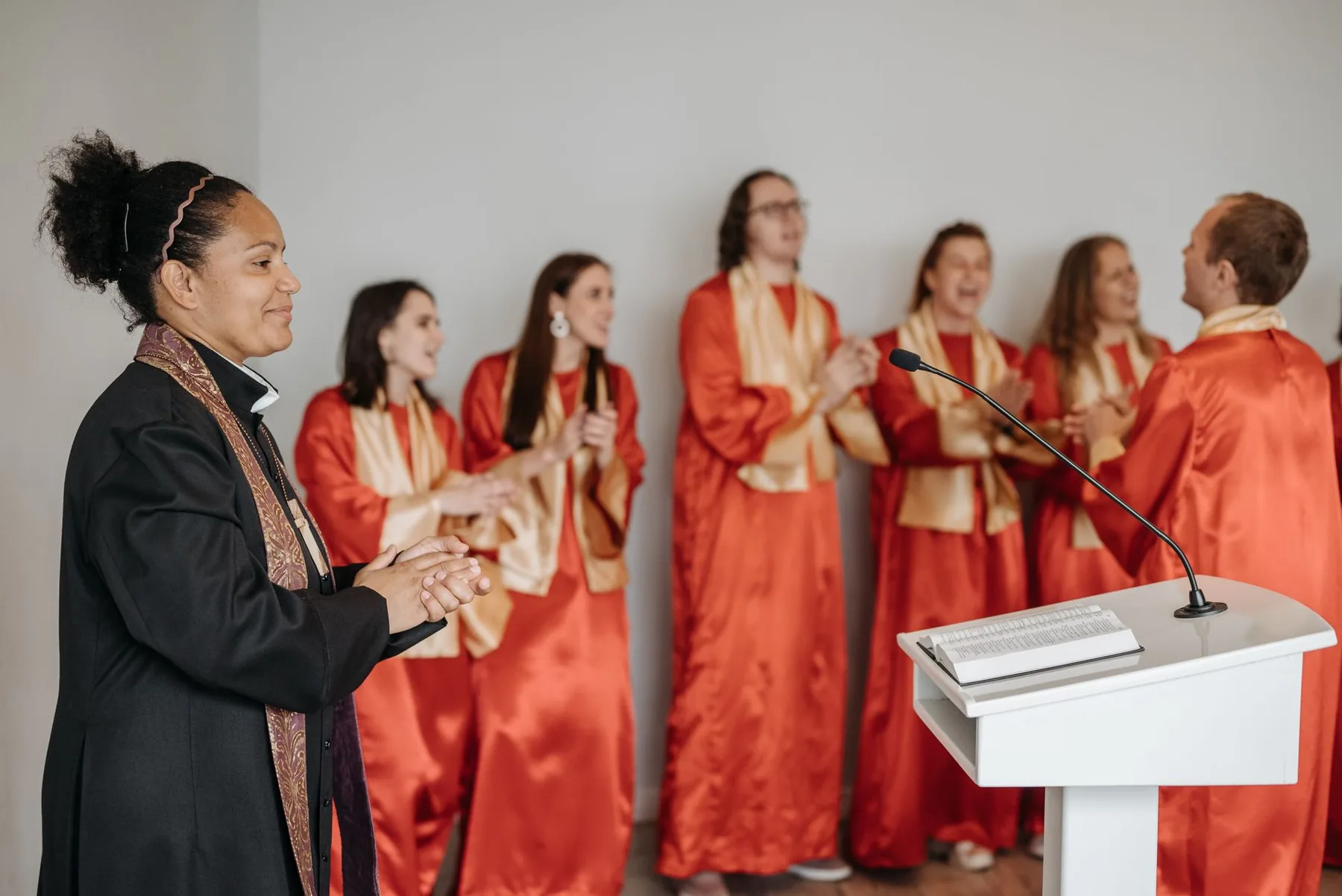
Liturgical history and adaptations
The Gloria has its roots in biblical texts. First reserved for pontifical offices, it became more widely used in the Middle Ages. Gregorian choirs popularized it with solemn melodies.
Over the centuries, modern adaptations appeared. Composers such as Vivaldi and Mozart incorporated it into their Masses. These orchestral versions enriched its musical legacy.
Contemporary interpretations
The Gloria experienced a renaissance in the twenty-first century. In 2020, a jazz version won a Grammy Award. With 18 million views on YouTube, it reached a broad audience.
- Fusion with African and Celtic rhythms
- Collaboration with an Orthodox choir for an ecumenical version
- A global project bringing together 120 countries
During the papal visit to Canada, this song carried a message of peace. One conductor notes: “Its dynamic nuances captivate the listener.”
These modern reinventions prove that the Gloria remains a living hymn. It continues to unite believers in praise.
Il est né le divin enfant: Christmas and light made flesh
Since 1863, this Lorraine carol has illuminated Christmas vigils. Il est né le divin enfant remains a pillar of celebrations, present in 92% of French midnight Masses. Its lyrics, such as “Jouez hautbois”, evoke the brightness of the Nativity.
Compared with other hymns, it stands out for its melodic simplicity. Adeste Fideles, more solemn, and Silent Night, more intimate, do not have its dancing rhythm. It is a tradition that transcends borders.
| Region | Adaptation | Distinctive feature |
|---|---|---|
| Quebec | Folk version | Accordion and violin |
| West Africa | Percussive rhythms | Polyphonic choirs |
| France | Original (1863) | Melody in E-flat |
The Institut Catholique lists 15 versions, from classical arrangement to gospel. In 2023, an ambitious project recorded it in the grotto of Bethlehem. A way of reconnecting with its spiritual roots.
This song, filled with joy, unites generations. As a Parisian organist says: “Every note reminds us that the divine child is a promise.” A light that never goes out.
The spiritual impact of songs of light
Sacred melodies transcend eras and borders. They shape communities and create invisible bonds between hearts. According to a recent survey, 78% of French people say these hymns strengthen parish unity.
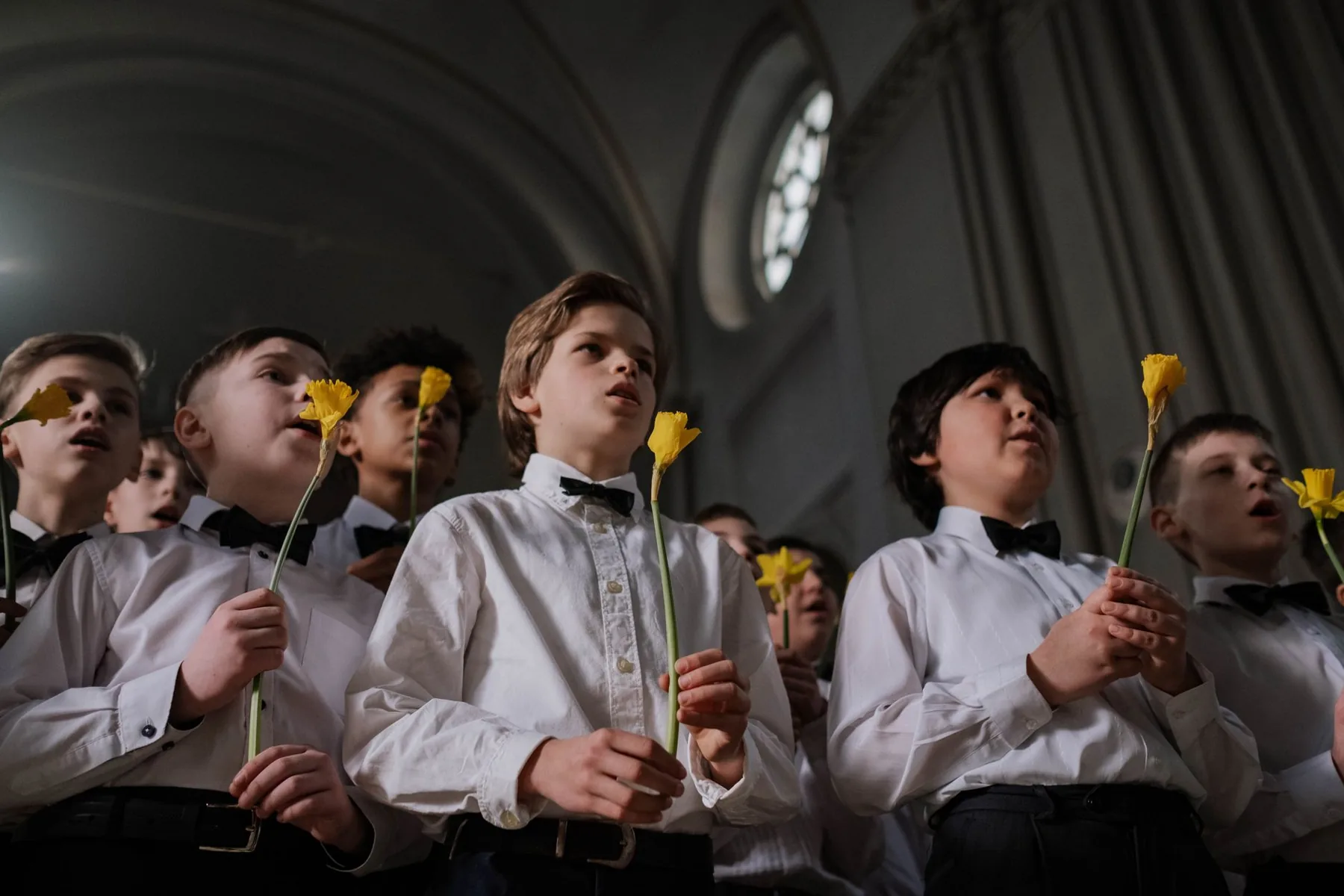
Strengthening faith through music
Singing gatherings reveal an unsuspected power. A sociological study carried out in 15 dioceses shows their key role:
- 87% of participants feel a stronger spiritual connection
- 62% cite hymns as a trigger for conversion
- 3 hours: average time needed to memorize the lyrics
During the health crisis, these hymns took on a new dimension. Online Masses saw their audiences increase by 140% thanks to virtual choirs. One believer confides: “Hearing and sharing these melodies saved me from isolation.”
Creating moments of communion
The initiative Let Us Sing Our Bell Towers illustrates this dynamic. In 300 French villages, it brings young and old together around the same repertoire.
| Place | Participants | Notable effect |
|---|---|---|
| Prisons | 42 choirs | Reduction in conflicts (-37%) |
| Schools | 15,000 pupils | Better class cohesion |
| Nursing homes | 78 facilities | Cognitive improvement |
As this study on prison choirs points out, singing transforms relationships. One prison official says: “Our inmates recover dignity through these celebrations.”
“When we sing together, our differences fade away.”
These words from a young chorister sum up the very essence of musical gathering. Generations meet, loneliness dissipates. A light that unites far beyond words.
How to include these songs in your religious practice
Learning these sacred melodies can enrich your daily spiritual life. Whether you are a beginner or experienced, several resources are available to you. Superprof has 320 specialist teachers to support you.
Creating a parish choir in 5 steps
- Gather volunteers: use announcements during Masses or social media.
- Choose a suitable repertoire: mix classics and modern pieces to reach all ages.
- Organize regular lessons: once a week to maintain motivation.
- Collaborate with other parishes: exchanges and shared concerts.
- Include instruments: organ, guitar, or percussion to vary styles.
Diplomas such as the DEM in Gregorian chant validate your training. Regional conservatories also offer partnerships. One chorister says: “In 6 months, I improved thanks to weekly rehearsals.”
Resources for independent learning
Platforms such as Online Sacred Chant offer tutorials. Mobile apps let you practice anywhere. The BALKANES ensemble even offers workshops exploring Bulgarian traditions.
“Sacred music unites hearts far beyond words.”
These tools make learning accessible to everyone. Whether in a group or solo, every voice matters in this spiritual practice.
Conclusion: singing light, a living tradition
A musical heritage that crosses the centuries, still vibrant today. These sacred hymns, carried by composers such as Samuel Olivier, bear witness to a tradition in constant renewal.
Bold projects merge organs with electronic music, opening toward the future. Yet preserving this art remains essential. The Choral Heritage Days invite everyone to discover this spiritual transmission.
As Saint Augustine said: “Whoever sings prays twice.” An invitation to keep this heritage alive for generations to come.
FAQ
Which are the most popular religious songs that evoke light?
Why is light a central theme in sacred music?
How can these songs be included in a Mass or personal prayer?
Are there modern versions of these traditional songs?
What impact do these songs have on the lives of the faithful?
Source Links
- https://www.britannica.com/art/religious-music
- https://www.biblegateway.com/passage/?search=John%208%3A12&version=NIV
- https://udayton.edu/error_page.php?errorDomain=udayton.edu&errorPath=%2Fimri%2Fmary%2Fh%2Fhymns-of-mary.php
- https://journals.openedition.org/leportique/3796?lang=en
- https://en.wikipedia.org/wiki/Kalimba
- https://giamusic.com/resource/top-100-songs-of-communion-print-g9833
- https://www.ewtn.com/catholicism/devotions/hail-mary-345
- https://www.cpdl.org/wiki/index.php/Gloria_in_excelsis_Deo
- https://www.churchofengland.org/search-results?keys=prayer%20worship%20worship%20texts%20resources%20music%20worship
- https://hymnary.org/
- https://adoremus.org/2007/12/musicam-sacram-instruction-on-music-in-the-liturgy/
- https://en.wikipedia.org/wiki/Natasha_St-Pier
- https://en.wikipedia.org/wiki/Genevan_Psalter
- https://www.ictmusic.org/
- https://www.britannica.com/topic/Easter-holiday
- https://books.openedition.org/editionscnrs/22539?lang=en
- https://www.lourdes-france.org/en/