
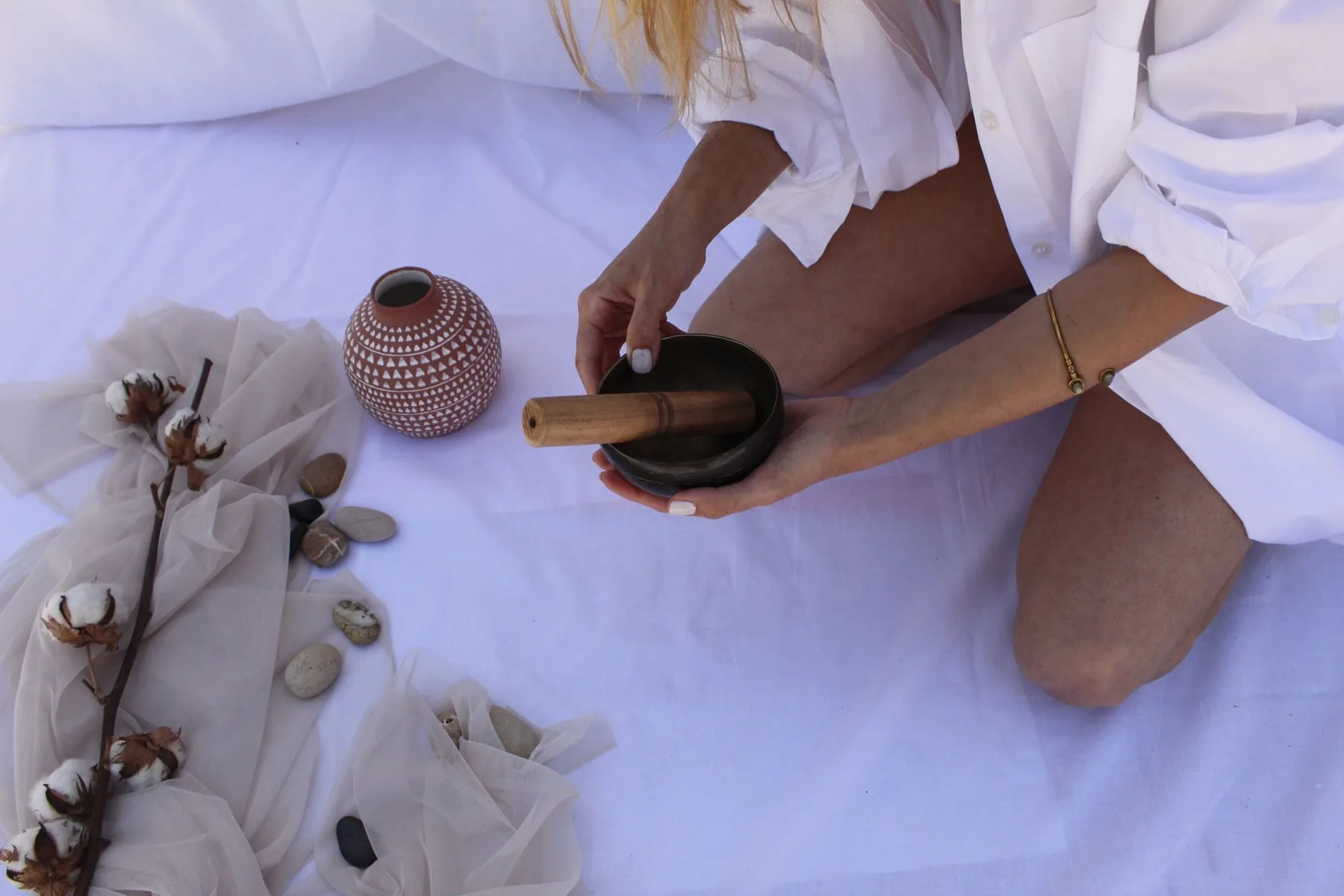
This guide explains how to care for this instrument to preserve its tone, shine, and lifespan. It focuses on safety and acoustic performance, with gentle, repeatable steps you can use at home.
Every sound object deserves care: the surface, rim, and striking area directly affect resonance and perceived range. Localized dirt can muffle vibration; a fall can cause irreversible buzzing.
Quick overview: dusting, washing with lukewarm water and natural soap, rinsing, and immediate drying. Targeted treatments are suggested for stubborn deposits or verdigris, with strict stop criteria.
Beware of aggressive products: abrasives, strong chemicals, dishwashers, or very hot water can cause irreversible damage. This guide covers alloys (bronze, copper/tin) and crystal, because the risks differ.
Why Care Affects Shine, Resonance, and Lifespan
Surface cleanliness determines how the object vibrates and ages. A thin film of dust or grease is enough to alter resonance and dull its appearance. Regular care helps preserve the quality and tone.
Dust, Marks, and Residue: Their Effect on Sound Quality
Compacted dust creates a film that can “muffle” vibration. Fingerprints and perspiration leave salts that speed up oxidation. Even poorly rinsed soap leaves a haze and produces less clear sound quality.
Oxidation, Patina, and Tarnish: Danger or Aesthetic Feature?
Patina can be stable and enhance the metal. However, verdigris or pitting indicates corrosive attack. If the rim becomes rough, the strike changes and the tone is altered.
- Prefer gentle, frequent routines over aggressive stripping.
- Understand the material before acting: bronze and crystal react differently.
- Less aggression means better longevity for engravings and finish.
Understand Your Singing Bowl Before Cleaning It
Before any intervention, identify the exact nature and finish of your instrument. This prevents mistakes that alter the sound.
Material Type and Specific Risks
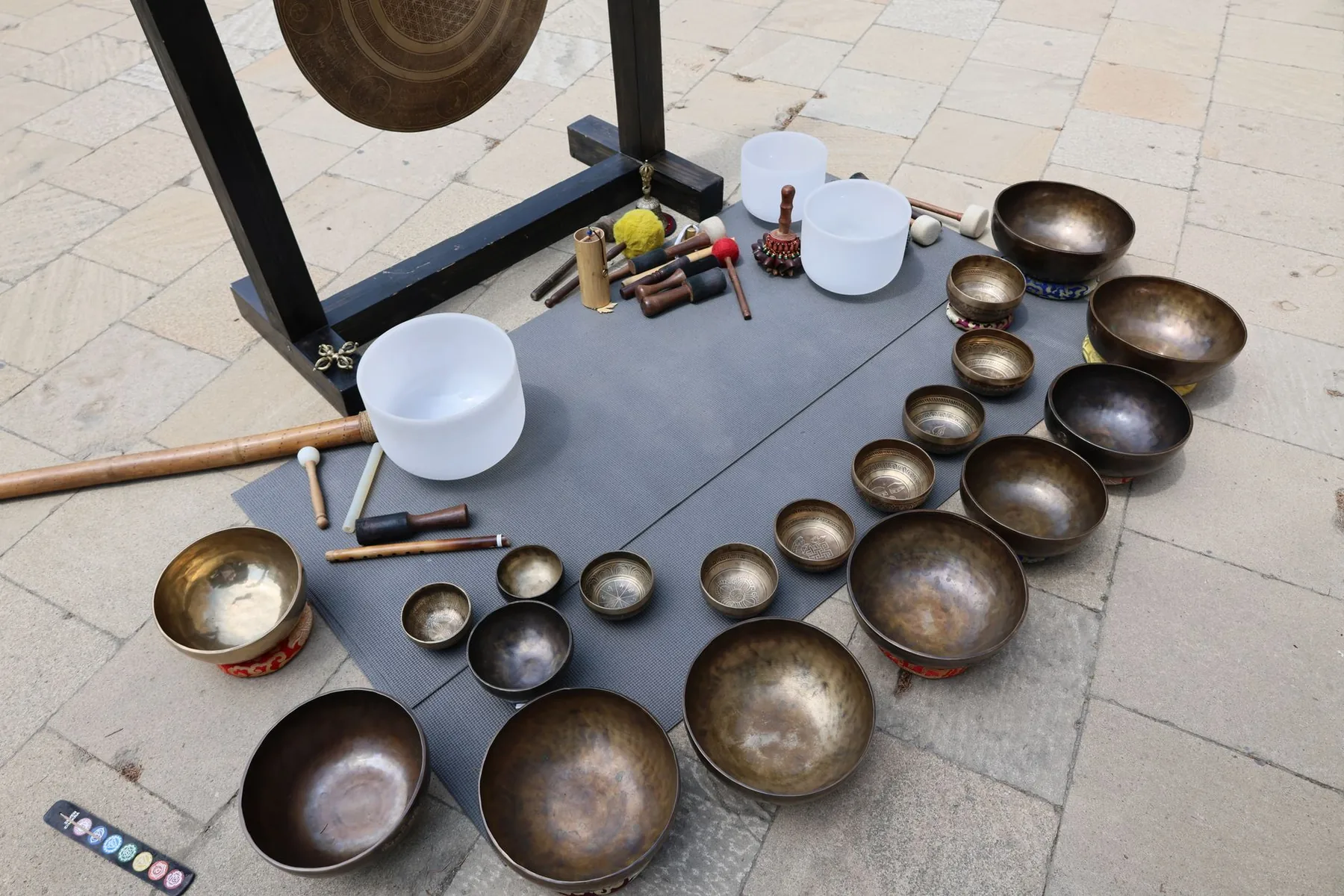
Most are made of bronze (a copper/tin alloy). This metal reacts easily to moisture: standing water and residue encourage oxidation, especially in hollows and engravings.
Quartz and Crystal: Tolerance and Fragility
Crystal bowls (about 99.9% silica) tolerate mild detergents, but they are sensitive to temperature changes and thermal shocks. Mechanical impact can create a crack and irreversible buzzing.
Areas to Protect and a Mini-Check Before Acting
Protect the rim, engravings, and the contact area for the mallet. Before you clean the bowl, inspect it for local deposits, verdigris, greasy marks, and micro-scratches.
- Match the product to the material.
- Test on an inconspicuous area if using an acid or paste.
- Place it on a stable cushion and handle it with both hands.

| Material | Sensitivity | Key Precaution |
|---|---|---|
| Bronze (copper/tin) | Moisture → oxidation | Dry immediately, avoid standing water |
| Quartz / crystal | Thermal and mechanical shocks | Lukewarm water, no temperature swings |
| Engraved finishes | Aggressive products → wear | Test, keep contact time short |
For more practical details, see our Tibetan singing bowl guide.
Recommended Equipment for Safe Cleaning (Without Scratches)
Before taking any action, prepare gentle tools to preserve the surface and sound. A minimal kit prevents sudden movements and limits the risk of impact.
“Zero-scratch” kit:
- Clean microfiber cloth (soft cloth)
- Dry lint-free cloth
- Soft brush (such as a soft toothbrush)
- Natural soap (e.g. Marseille soap) and a container of lukewarm water
Avoid abrasive sponges. They create micro-scratches that trap dirt and dull the finish.
Gloves reduce fingerprints and protect your skin if you use other products.
Place the instrument on a stable surface (cushion, felt, or folded cloth). This cushions impacts and prevents slipping during rinsing.
“Two cloths: one for washing, one for drying immediately.”
Always start with the simplest method. Reserve active solutions for resistant deposits and keep clean cloths available to avoid redepositing particles. To explore the aesthetic approach further, see this aesthetic guide.
Cleaning a Tibetan Bowl: Safe Methods Without Damaging It
Acting quickly after each use preserves the range and prevents oxidation. Here is a gentle, adaptable routine suitable for most metal instruments as well as crystal.
Dust With a Soft Cloth
First pass a dry soft cloth over the bowl. Rub lightly to remove dust and grains that could scratch the surface when they come into contact with water.
Do not press: the goal is to lift particles, not to polish.
Wash With Lukewarm Water and Natural Soap
Fill a container with lukewarm water and add a little mild soap. Dip the cloth, wring it out, then clean the inside and outside with light circular movements.
Avoid overworking the rim so you do not alter the mallet contact.
Rinse and Dry Immediately
Rinse thoroughly with clear water to remove every soap residue. A film can be audible and may reduce the sound.
Dry without delay: blot, then wipe. To speed things up, use a hair dryer on low heat and from a distance.
Recommended Frequency
Wipe quickly after each session to prevent marks and corrosion. For frequent use, do a full cleaning once a month.
Always finish with a mini sound test: make the instrument sing to check for a clear tone and the absence of areas that “catch.”
| Step | Action | Why |
|---|---|---|
| Dusting | Dry soft cloth | Prevents micro-scratches |
| Washing | Lukewarm water + natural soap, light pressure | Cleans without attacking the metal |
| Rinsing | Rinse with clear water | Removes dulling residue |
| Drying | Wipe immediately, low heat if needed | Prevents oxidation |
For more complete advice and suitable products, see our care guide.
Removing Everyday Marks and Stains Without Altering the Metal
Everyday marks often leave more than visible traces: they prepare corrosion. Perspiration and sebum deposits leave salts and grease. These residues speed up oxidation on some alloys.
Immediate action: wipe after every use with a soft cloth, ideally microfiber. This simple step greatly reduces the risk of corrosion and protects the finish.
For a fresh stain, use a slightly damp cloth with a small amount of mild soap. Rinse with clear water, then dry without delay to avoid rings.

Local Treatment With White Vinegar or Lemon
On shiny areas, apply a very small amount of white vinegar or lemon juice to a cotton pad. Leave it for a short time (a few seconds), then rinse and dry. Never soak the object, and work in small areas.
Quality precaution: too much acid can lighten the patina and alter the quality of the surface. If the stain resists, move to the next targeted treatment rather than increasing intensity.
Treating Stubborn Deposits and Verdigris (With Caution)
To treat embedded deposits, first use a local and controlled approach. Define the problem: greenish areas linked to copper, dirt trapped in engravings, a rough edge, or old stains.
Targeted method: prepare a diluted solution of white vinegar or lemon juice (a few parts water to one part acid). Gently scrub the area with a soft toothbrush, rinse with water, and dry immediately.
Controlled bath: in cases of major soiling, a 50/50 water-vinegar bath may help. Watch the engravings and stop at the first sign of lightening. Suggested maximum duration: about 12 hours, with regular checks.
Stronger solutions: if necessary, use diluted ammonia or soda crystals (1 tbsp/L), then rinse thoroughly. As a last resort, solvents (methylated spirits, petroleum solvent) may be used.
- Wear gloves and ventilate the room.
- Avoid splashes and prolonged contact with the surface.
- Rinse thoroughly and dry to prevent residual moisture.
“Stop the treatment as soon as the patina or resonance seems affected.”
When to stop: the surface becomes too matte, the engravings lose contrast, the edge catches, or the sound loses clarity. The goal is to preserve the lifespan and resonance of the metal, not to strip it at any cost.
Making a Tibetan Bowl Shine Without Muffling Its Sound
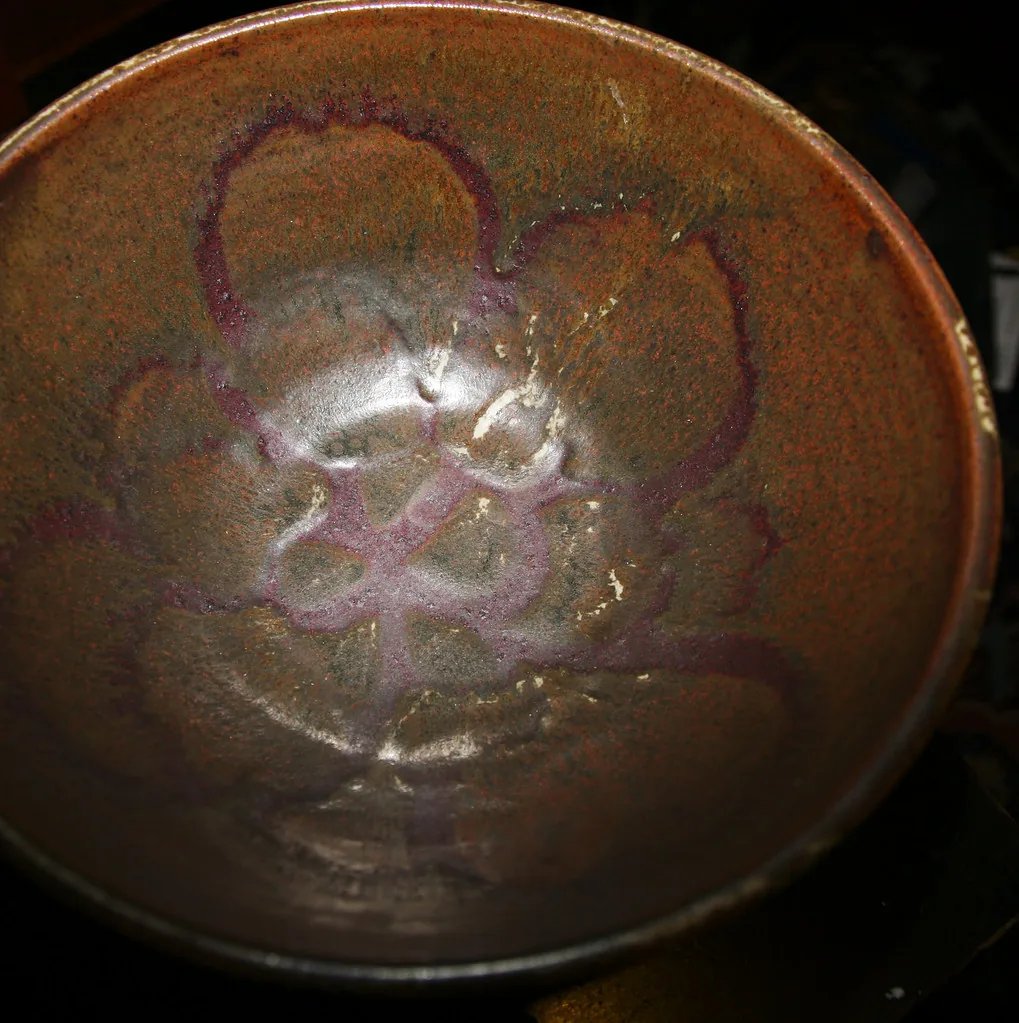
To revive its appearance, choose brief actions that do not muffle the vibration. Polishing aims for shine, but it can alter the micro-texture if you insist too much.
Light lemon + baking soda paste: mix lemon juice and baking soda to form a soft paste. Apply a thin layer with a cloth, using very gentle circular movements.
Rinse immediately with clear water: the acid must not remain. A quick rinse prevents uneven lightening near the engravings.
Dry without delay and run a sound test. Check that the vibrations remain free and that the rim is not coated with paste.
Beeswax and chamois leather: apply a thin layer of slightly warmed wax to the surface with the chamois. Avoid the contact area for the mallet.
This film protects and revives the appearance while helping to preserve the quality and sound. Occasional buffing is recommended: about once a month depending on use and the desired benefits.
Products and Actions to Avoid Absolutely
Some actions and products can quickly turn controlled restoration into irreversible damage. Before acting, remember one simple rule: if a product seems aggressive, do not use it.
Abrasives and Scouring Powder
Forbidden: powders, metal pads, abrasive sponges. These products scratch the smooth surface, create areas that catch dirt, and alter resonance.
Aggressive Chemicals
Avoid bleach, strippers, and strong solvents. These chemicals can dull the shine, change the patina, and cause unpredictable reactions in the alloy.
Dishwasher, Microwave, Very Hot Water
Never put the instrument in the dishwasher or microwave. High temperatures, detergents, and vibrations cause thermal and mechanical shocks.
Use lukewarm water for rinsing and cleaning. Very hot water can deform or crack, especially crystal.
No Standing Water and Other Precautions
Never let water stand: it causes stains, oxidation, and deposits in hollows and engravings.
Even sugary or acidic drinks, once dry, leave residues that attack the metal. Also control moisture and sun exposure: unsuitable storage speeds up deterioration.
“Stop the operation at the first sign that the patina or sound is changing.”
For a practical reminder and gentle alternatives, see our complete care guide.
Preventing Everyday Wear: Handling, Moisture, Sun, and Impact
Adopting handling routines minimizes wear and preserves natural vibrations. A small ritual after use prevents heavy interventions and extends your instrument’s lifespan.
Holding the Instrument Properly
Prefer holding it from the outside. Avoid placing your fingers on the rim; this contact changes projection and leaves greasy marks.
Support your grip by using both hands. Transfer it onto a cushion rather than sliding it to prevent impacts.
Moisture, Sea Air, and Sun: Storage
Keep it away from excessive humidity and sea air. A dry, temperate room reduces the appearance of green spots.
Avoid direct and prolonged sun exposure: it alters the patina and may modify resonance.
Transport and Storage
Use a padded case and place a cloth between each piece. Avoid letting several pieces rub together during transport.
Playing With Water
If you play with water, prefer distilled water. Dry the inside and outside immediately to limit mineral deposits.
Cracks and Buzzing
An impact on a hard surface can create a crack and cause buzzing. This type of damage often changes the sound irreversibly.
“A quick wipe after each session keeps the surface healthy and the vibrations free.”
Regular mini-check: inspect the edge and engravings, and look for any green spots. Briefly test the sound to detect any loss of clarity and act early.
| Risk | Precaution | Frequency |
|---|---|---|
| Fingerprints | Wipe after each use with a dry cloth | After each session |
| Moisture / sea air | Store in a dry, temperate room | Permanent |
| Friction during transport | Padded case + cloth between pieces | Every transport |
| Playing with water | Prefer distilled water and dry immediately | Every use |
Conclusion
To keep its shine and resonance, adopt simple, consistent care.
The safest method remains: dust, wash with lukewarm water and mild soap, rinse carefully, then dry immediately to limit any oxidation. The less aggressive, the better: favor regular maintenance over stripping.
Treat locally with white vinegar or lemon, for a very short time, then rinse quickly. Avoid abrasives, strong chemicals, the dishwasher, the microwave, very hot water, and standing water.
A clean, well-handled instrument keeps its shine, sound, and steady resonance. Adopt wiping after every use and a monthly check (visual + sound) to preserve the quality.
For a practical sheet, see our guide: Cleaning a Tibetan bowl: safe methods without damaging it.