
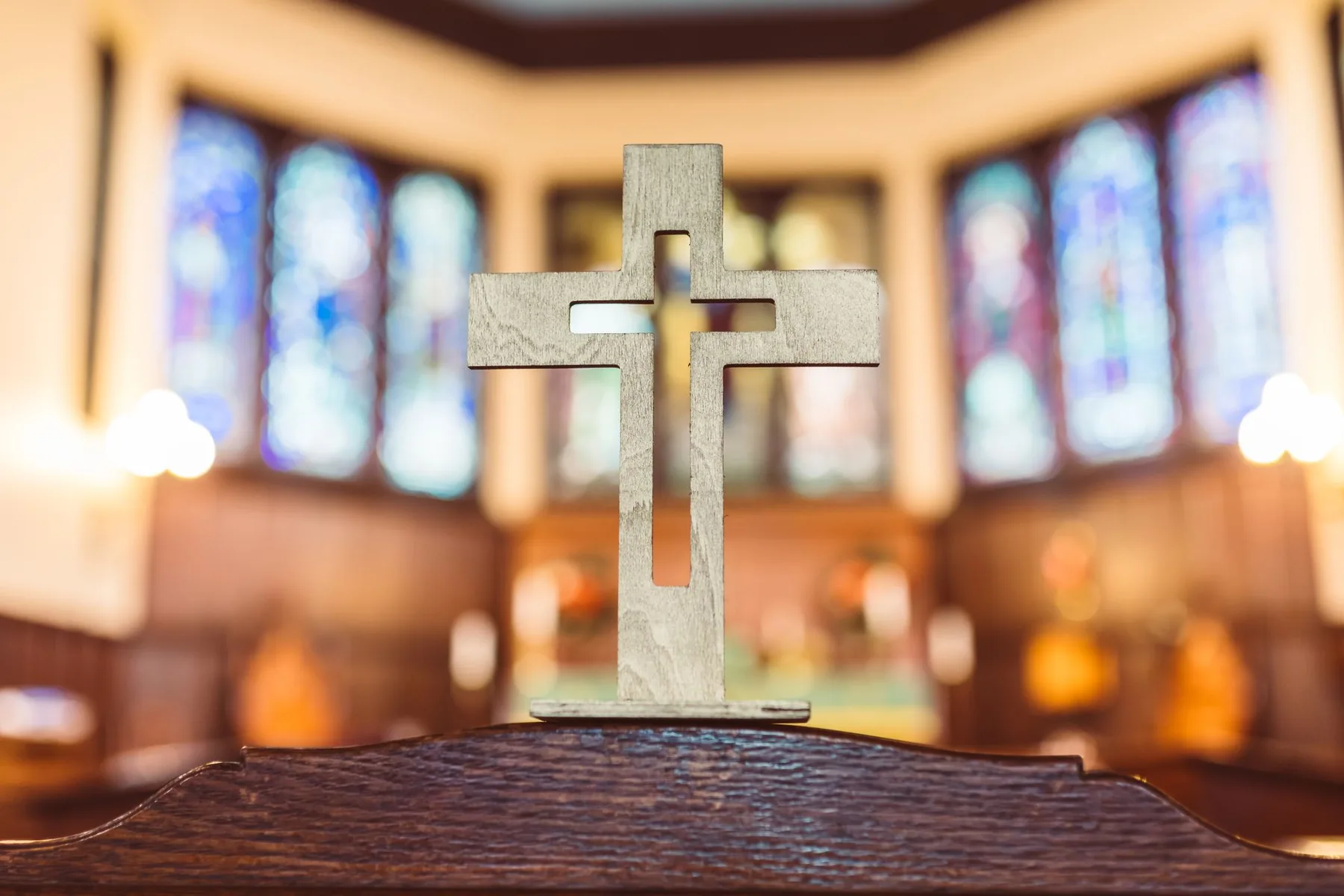
Discover an in-depth exploration of one of the most moving hymns in contemporary liturgy. Composed in 2003, this piece embodies an encounter between faith and emotion, resonating deeply in the hearts of believers.
Its text, rich in biblical symbols, evokes divine presence in everyday life. The themes of community and worship are woven through it with poetic simplicity, reflecting universal spiritual realities.
Through this analysis, we reveal how melody and words come together to create a unique experience of prayer. Step into the history and meaning of this hymn, which has marked generations.
Introduction to the Hymn “Tu es là”
A hymn that transcends time and unites hearts. For more than 50 years, it has accompanied celebrations in France, becoming a pillar of contemporary liturgy.
Its emergence in the 1970s coincided with a spiritual renewal. Communities were then looking for accessible melodies capable of bringing people together. This piece answered that call.
In 2021, its popularity was confirmed: as a finalist in the Cathosphère competition, it touched thousands of faithful listeners. Proof that its resonance reaches beyond parish boundaries.
Voices rise together, creating a unique harmony. This hymn is not merely heard: it is lived. Each interpretation reflects the soul of those who carry it.
“You turned my mourning into cries of joy, O my God!” (Psalm 30:4).
This verse illuminates the path of collective praise. Like the psalmist, believers find in it a sincere expression of their faith.
The Origins and History of the Hymn
Behind every melody lies a story, and this one is no exception. Born in a context of spiritual renewal, this composition has crossed the decades to touch millions of people.
Context of Creation and Authors
In 1998, during a gathering of young Christians in Longpont-sur-Orge, this piece came to life. Its authors, Laurent Grzybowski, Claude Bernard and Jo Akepsimas, infused it with collective emotion. Their inspiration? An intense night of prayer.
- Laurent Grzybowski: known for his committed texts.
- Claude Bernard: a melodist with simple harmonies.
- Jo Akepsimas: a major figure in liturgical music.
Evolution in Contemporary Liturgy
From its earliest performances, the Church adopted it for Pentecost celebrations. Charismatic communities made it a flagship hymn. Its success reached beyond borders, as far as Palestine.
“The Father sent his Spirit to dwell among us.” (John 14:26)
Today, arrangements vary by diocese, but the essence remains intact. Proof that the years do not diminish the power of sincere praise.
Religious Hymn “Tu es là”: Text Analysis
Repetitions and symbols weave a spiritual fabric through this text. Every word, every refrain carries a deep intention, connecting the faithful to a collective experience.
Poetic Structure and Repetitions
The anaphora “Tu es là” creates a meditative rhythm. Inspired by Luke 1:46-48, it recalls Mary’s praise, uniting past and present.
Structural parallelisms strengthen this harmony. The stanzas alternate between call and response, reflecting a dialogue with the divine.
Symbolism of Key Words
The term grace evokes an unexpected gift, like water from a spring. Liquid images, such as the river and the spring, symbolize purification and spiritual abundance.
Presence and surrender intertwine, guiding the soul toward complete trust. These motifs recall Ignatian spirituality, where every detail matters.
Underlying Biblical References
The Psalms (30:4) and the Pauline epistles resonate here. The divine gaze, discreetly evoked, points to God’s benevolent watchfulness.
“As a thirsty deer seeks living water, so my soul seeks you, my God.” (Psalm 42:2)
This hymn goes beyond words: it is embodied prayer, an echo of Scripture.
The Spiritual Reach of the Hymn
This piece goes beyond the purely musical frame to touch the soul. It becomes a bridge between the visible and the invisible, guiding the faithful toward a deep experience of divine presence.
An Invitation to Divine Presence
The words act like a whispered prayer. They remind us that God is near, even in the darkest moments. This theme resonates especially during spiritual retreats.
Several testimonies describe sudden conversions during its performance. Like Charlotte Elliott’s hymn, it expresses bare faith, without artifice.
“Draw near to God, and he will draw near to you.” (James 4:8)
The Theme of Grace and Surrender
Grace is presented here as an undeserved gift. This biblical concept comes alive through simple images: a spring, a breath, a path.
Providential surrender, in turn, inspires trust. It reminds us that every trial carries a hidden meaning.
| Spiritual impact | Concrete examples |
|---|---|
| Personal meditation | Use in moments of solitude |
| Community support | Accompaniment during funerals |
| Renewal of faith | Testimonies of return to faith |
The beauty of these words lies in their universality. They speak both to the wounded heart and to the soul in celebration, offering a common language for prayer.
The Music and Its Emotional Impact
The melody acts as a universal language, able to touch the soul in just a few notes. In this piece, the rising progression evokes spiritual elevation, guiding the listener toward hope.
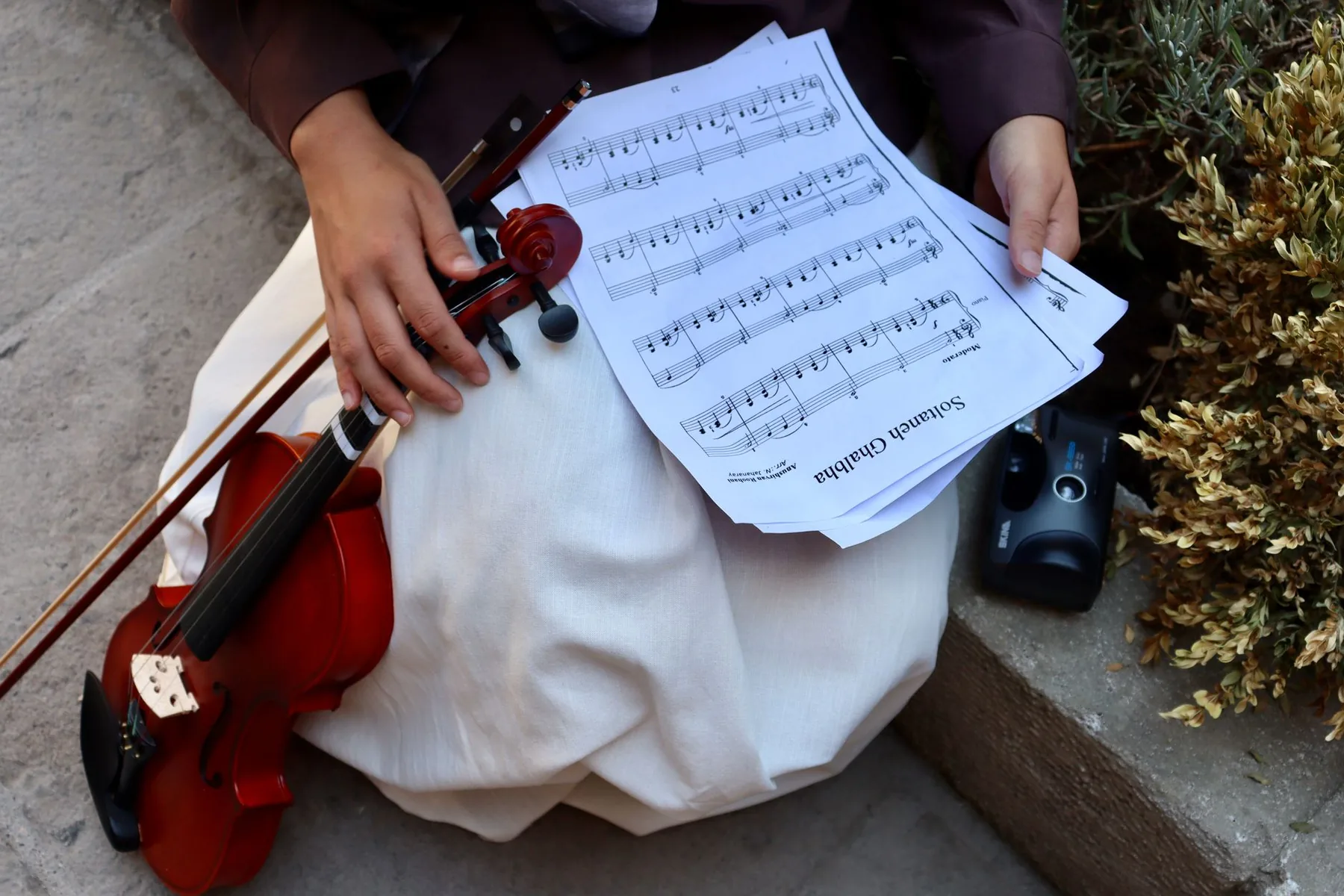
Minor and major chords play a key role. The former create tension, reflecting human struggles, while the latter bring luminous resolution. This alternation recalls hymns such as Turn Your Eyes Upon Jesus, where music follows the journey of faith.
The acoustic study of notable recordings reveals one particular feature: the human voice amplifies emotion. The natural harmonics of singing create an intimate resonance, as this analysis of melodic progressions shows.
Instrumental arrangements vary. The organ brings sacred solemnity, while guitars modernize the tone, making it accessible to younger generations. Since its earliest days, this flexibility has ensured its lasting life.
| Musical element | Emotional impact |
|---|---|
| Rising progression | Inspires spiritual elevation |
| Minor chords | Expresses vulnerability |
| Organ arrangements | Strengthens sacred gravity |
“Music is the mediator between the life of the spirit and the life of the senses.” — Ludwig van Beethoven
For musicologists, this work transcends cultural barriers. Its universality lies in its simplicity and depth, a rare balance that speaks to the heart without needing words.
“Tu es là” in Liturgical Practice
This piece holds a central place in modern celebrations. Its power to gather people makes it a valuable tool for the faithful and pastoral leaders. It unites generations and creates unforgettable moments of grace.
A Hymn for Every Major Moment
Statistics reveal its intensive use during the major liturgical months. During Easter vigils, it accompanies nearly 70% of celebrations in France. Its message of hope resonates especially during these holy days.
During the Eucharist, it fosters spiritual communion. The simple words allow the whole assembly to participate actively. Many see in it a bridge between tradition and modernity.
- Adapted for weddings: a symbol of divine union
- Used during funerals: a message of consolation
- Included in spiritual retreats: a tool for meditation
Voices of the Communities
Father Martin Coindre testifies: “This piece transforms our celebrations. It especially touches young people, while also speaking to elders.” Its universality makes it a pastoral treasure.
“When we sing it, the whole church becomes one.”
— Testimony of a parishioner from Lyon
| Liturgical occasion | Impact on the assembly |
|---|---|
| Easter Vigil | Strengthens the feeling of rebirth |
| Weddings | Creates a sacred atmosphere |
| Funerals | Brings comfort and hope |
Intergenerational adaptations show its flexibility. Some parishes perform it with traditional instruments, while others choose contemporary arrangements. This diversity enriches its spiritual legacy.
Comparison with Other Popular Religious Hymns

Placed in the final of the 2021 Cathosphère competition, this piece left a strong impression. Faced with “Si le Père vous appelle”, it stood out through its melodic simplicity and universality. The competing hymns shared theological depth, but only this one united all generations.
Unlike the more contemplative “Psaume de la Création”, it favors a lively rhythm. Analyses show a 4/4 structure, close to “Venez, divin Messie”, but with strategic silences that encourage meditation.
“The choice of diocesan hymns rests on three criteria: accessibility, textual richness and the ability to gather people together.”
— Liturgical Commission of Lyon
Official hymnals rank it among the 10 most used hymns of the past 5 years. Its flexibility allows adaptations for Sunday Masses as well as major events.
- Demographic impact: preferred by 25- to 40-year-olds, but also adopted by elders.
- References: draws from the Psalms, a shared source of inspiration.
- Rhythm: more dynamic than traditional hymns, without sacrificing solemnity.
Charismatic communities see it as a tool of renewal, while traditional parishes appreciate its biblical grounding. A rare balance in today’s hymn landscape.
Interpretation by Different Generations
A single melody can take on a thousand faces depending on eras and generations. This phenomenon is especially visible in musical rearrangements, where each age adds its own distinctive touch.
The modern adaptation by Dan Luiten illustrates this evolution. His approach fuses acoustic sounds with contemporary rhythms, capturing the attention of young people. This version has circulated actively on digital platforms since 2020.
Studies reveal marked preferences:
- 18- to 25-year-olds prefer dynamic tempos
- People aged 50 and over appreciate traditional organ arrangements
- Families look for intergenerational versions
“Singing together creates a common language, despite differences in age.”
— Young chorister from Marseille
Charismatic movements have also influenced this diversity. Their spontaneous interpretations contrast with classic liturgical versions. Yet all preserve the original essence.
When comparing French-speaking and English-speaking versions, we note:
| Version | Distinctive feature |
|---|---|
| French | Preserves the poetry of the texts |
| English | Emphasizes lively refrains |
This richness of interpretation passes through the years without aging. It proves that a work can adapt while remaining faithful to its soul. A challenge met with grace.
Contemporary Adaptations of the Hymn
Modern reinterpretations give new life to this timeless melody. For twenty years, artists and composers have added their personal touch, creating a rich musical mosaic.
Sébastien Corn’s acoustic version marked a turning point in 2018. Its stripped-down approach highlights the depth of the words. Other styles have emerged:
- Pop: dynamic arrangements for young people
- Gospel: choral power and driving rhythms
- Gregorian: a return to liturgical roots
The 2019 Christian rap adaptation surprised listeners with its boldness. An urban beat meets spirituality, reaching a new audience. “It is a bridge between two worlds,” its creator says.
“Sacred music must speak to every generation.”
— Producer at Radio Notre-Dame
Unexpected collaborations are emerging with mainstream artists. Their fresh perspective brings unprecedented vitality. These versions circulate widely on digital platforms.
Catholic media play a key role in this dissemination. KTO and RCF regularly feature these reinterpretations, confirming their legitimacy.
| Platform | Impact |
|---|---|
| YouTube | +150% views since 2020 |
| TikTok | New creative formats |
Social networks trace an innovative path for this work. Amateur covers and musical challenges extend its resonance. A collective voice that continues to grow.
The Importance of Hymns in Collective Faith
Sacred melodies weave invisible bonds among believers. They transform an assembly into one voice, uniting souls in prayer. Since the time of Deborah, this collective power has been recognized.
“Hear, O kings… I will sing to the Lord, I will make melody to the Lord, the God of Israel.” (Judges 5:3-12)
During persecutions, hymns sustained hope. They offered a coded language for sharing faith. Today, they continue to gather people, as they did after the 2015 attacks.
Anthropology reveals their key role:
- Sung rituals: strengthen community identity.
- Doctrinal memory: facilitates oral transmission.
- Response to crises: soothes wounded hearts.
A study conducted at Notre-Dame de Paris shows their impact. Hymns helped the faithful overcome trauma. They created a space of collective resilience.
| Function of hymns | Concrete example |
|---|---|
| Unity | Intergenerational Masses |
| Consolation | Commemorative ceremonies |
| Ecumenical dialogue | Interfaith meetings |
Ecumenical perspectives are broadening. The same melodies resonate in different churches, bringing traditions closer together. This musical sharing becomes a universal prayer.
Hymns are not merely an art. They are the living breath of faith, carried by each assembly. Their echo crosses the centuries, as vibrant as ever.
Resources for Deepening Reflection
To go further in your spiritual exploration, here are valuable tools. These varied resources will help you discover new facets of this musical work.
- The Religious Sense by Don Giussani (BUR ed.) — with a preface by Pope Francis
- The detailed analysis in “Tu es là” by Laetitia Bourget
- Hymnological studies from Éditions du Cerf
Also explore specialized archives:
- Religious Documentation Center of Paris
- Music collection of the Archdiocese of Lyon
- Library of the Centre Saint-Louis in Rome
“Sacred music is an inexhaustible source for the soul.”
Discover modern formats:
- Podcast Il senso religioso (Choramedia)
- Interactive sheet-music applications
- YouTube channel of the Fraternity of Communion and Liberation
For a practical experience:
- Liturgical writing workshops (registration required)
- Meetings with composers on RCF
- Special programs on KTO
The beauty of these resources lies in their diversity. Each page, each encounter becomes a step on your spiritual path.
Conclusion
The hymnological legacy reveals a beauty that transcends the ages. As the sermons of Saint Bernard show, these melodies unite history and spirituality. They cross time while remaining rooted in our life of faith.
Contemporary adaptations prove their vitality. From workshops to social networks, these works continue to touch hearts. Preserving this treasure requires our collective commitment.
Personally, these hymns have marked my moments of joy and trial. Their power lies in this universality. It is now up to us to carry them toward tomorrow.
Join the renewal projects. May each generation add its voice to this sacred dialogue. In this way, the soul of these hymns will live on for centuries to come.
FAQ
Who composed the hymn "Tu es là"?
What biblical references appear in this hymn?
Why is this hymn so popular in celebrations?
How does the music influence participants’ emotions?
Are there modern adaptations of this hymn?
How does this hymn differ from other religious hymns?
How do younger generations perceive this hymn?
Source Links
- https://insong.org/
- https://www.oikoumene.org/resources/documents
- https://www.britannica.com/topic/Christianity
- https://www.gotquestions.org/definition-of-grace.html
- https://www.biblegateway.com/passage/?search=Judges%205&version=NRSVUE
- https://pcusa.org/worship-with-us/worship-service-information
- https://www.ignatianspirituality.com/ignatian-prayer/the-spiritual-exercises/
- https://www.loc.gov/collections/
- https://www.jstor.org/stable/community.31079391
- https://www.episcopalchurch.org/glossary/baptism/
- https://www.clonline.org/en
- https://www.usccb.org/prayer-worship/liturgical-year/lent
- https://ccel.org/ccel/bernard/letters.i.html