
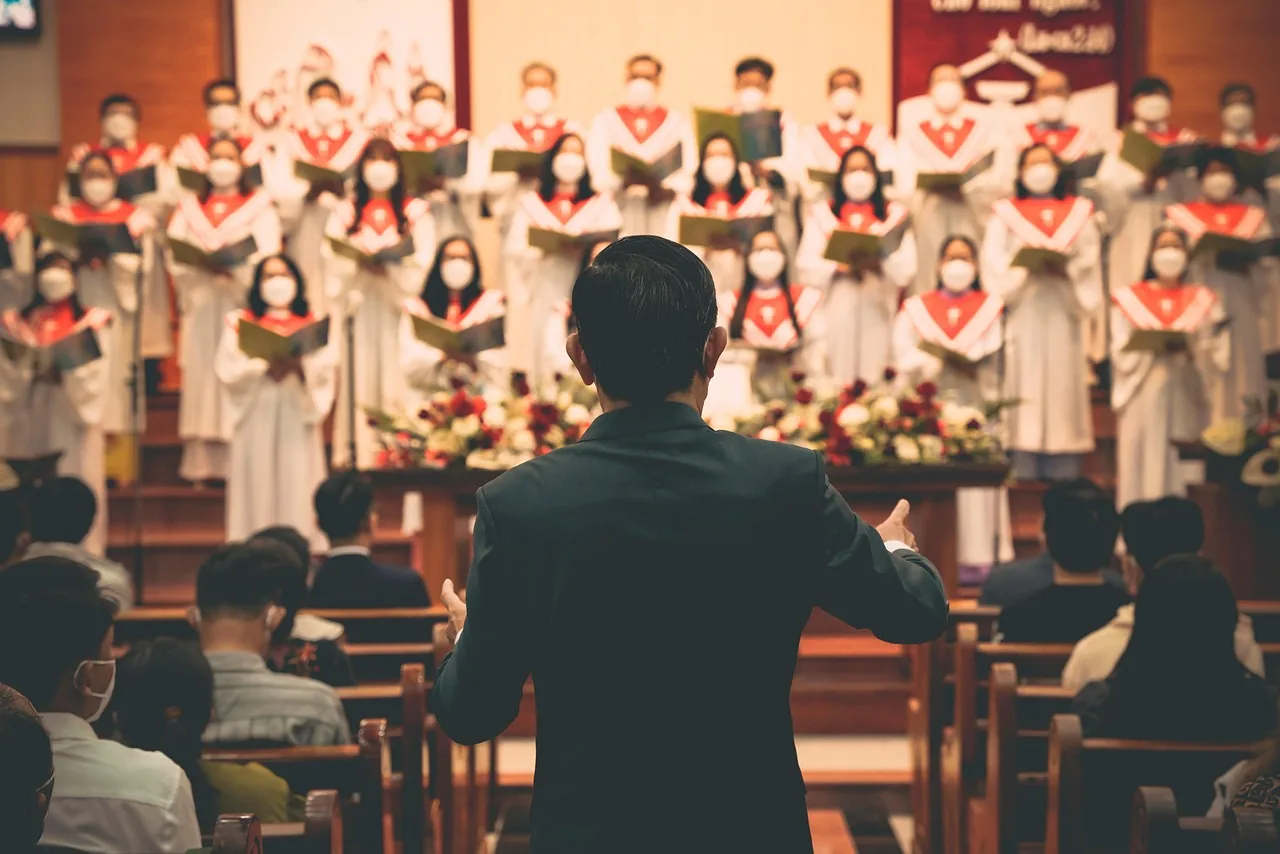
For more than two centuries, this famous carol has echoed through churches and homes around the world. Composed in 1818 in Austria, it symbolizes the spirit of Christmas through a soothing melody and universal words.
Recognized by UNESCO in 2011, this cultural heritage reaches beyond religious borders. Its simple notes, created to be played on guitar, move every generation. “All is calm, all is bright…”, these words continue to stir emotion.
From Bing Crosby to children’s choirs, more than 20,000 interpretations exist. This success can be explained by its message of peace and its accessible harmony. Let us explore the secrets of this work that unites peoples.
To learn more about its origins, see the full history of this classic.
The Fascinating History of “Silent Night, Holy Night”
In 1818, a modest musical event in Austria would leave its mark on history. This hymn, born from an improvised collaboration, now crosses continents.
The Origins of the Hymn in Austria
The text was written in 1816 by Joseph Mohr, a priest from Mariapfarr. Two years later, in Oberndorf bei Salzburg, the melody came to life. The region, scarred by the Napoleonic Wars, was then seeking comfort.
The border town of Oberndorf played a key role. Its church, with a failing organ, required an inventive solution: the guitar.
The Collaboration Between Joseph Mohr and Franz Xaver Gruber
Mohr, a poet, and Franz Xaver Gruber, an organist and teacher, joined their talents. Their creation was performed for the first time during the Christmas Eve Mass of 1818.
| Role | Joseph Mohr | Franz Xaver Gruber |
|---|---|---|
| Contribution | Lyrics | Melody |
| Profession | Priest | Organist |
| Place | Mariapfarr | Oberndorf |
UNESCO Recognition
In 2011, UNESCO added this carol to its intangible heritage inventory. Its worldwide spread, thanks to the Rainer family, made it a universal symbol of peace.
Today, more than 300 translations exist. Proof that simplicity can touch the eternal.
The Lyrics and Their Many Versions
The lyrics of this classic have crossed linguistic borders with unmatched grace. Written in German in 1816, they captivate through their simplicity and spiritual depth.
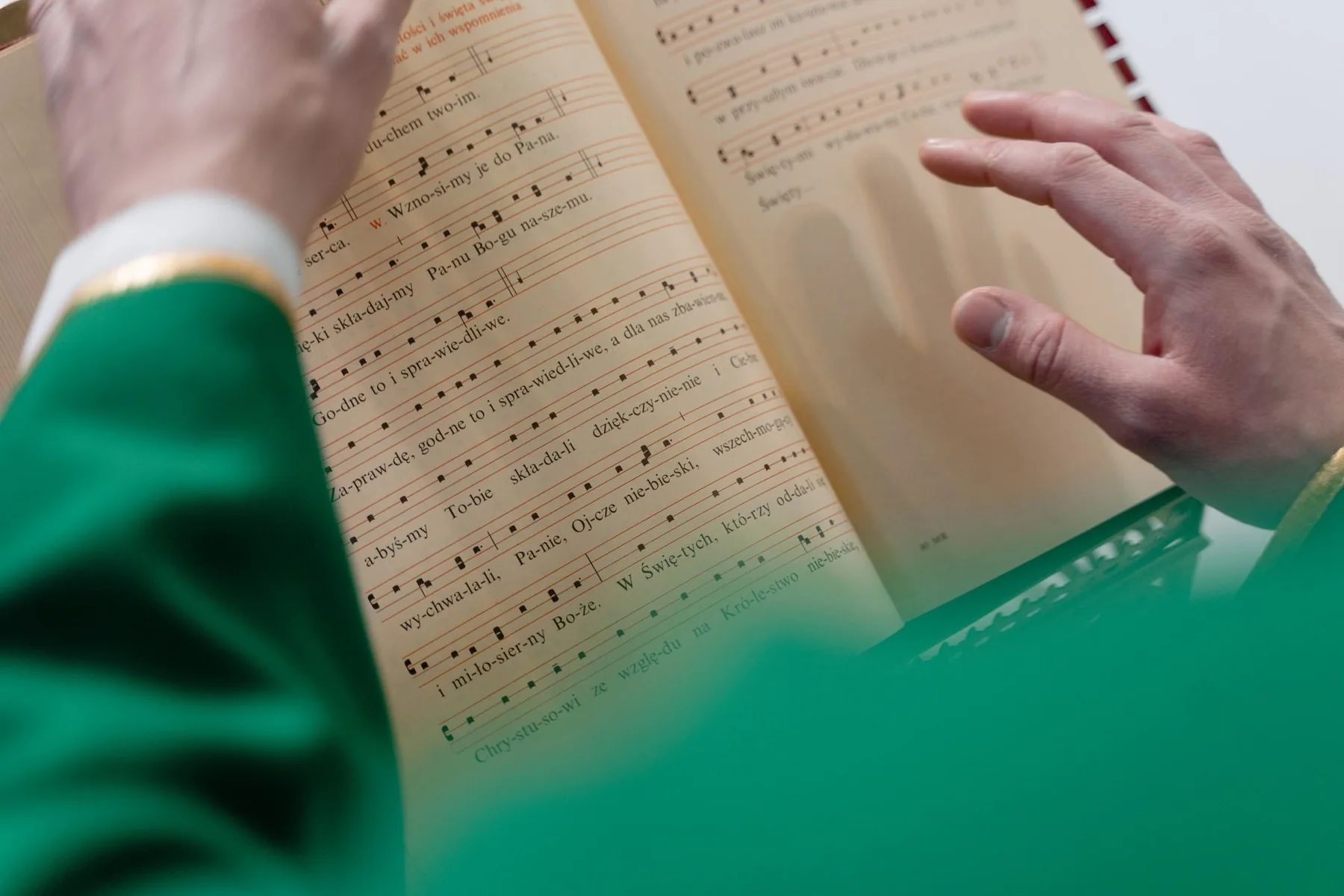
The Original Text and Its Literal Translation
The original title, “Stille Nacht”, evokes a calm night in which the star shines. The six German stanzas describe the divine birth through pastoral metaphors. For example:
“Stille Nacht, heilige Nacht,
Alles schläft, einsam wacht…”
A literal translation reveals nuances lost in some adaptations. Infinite love from the original text can be felt in every line.
The Most Popular French Adaptations
In France, two versions dominate:
- The poetic version: “Douce nuit, sainte nuit, l’astre luit…”, used in schools.
- Céline Dion’s adaptation (1981): “Ô nuit de paix”, with a more lyrical refrain.
These variations show how the same song can adapt to local sensibilities. With 126 official translations, this hymn unites cultures under the sign of love and peace.
The Iconic Performers of “Silent Night”
Legendary voices have shaped the history of this timeless melody. From opera to rock, each version brings a unique touch to this universal masterpiece.
Classic and Traditional Versions
From the nineteenth century onward, prestigious choirs embraced this hymn. The Staatskapelle Berlin performed it in 1840, with vocal harmony that emphasized its sacred character.
Ernestine Schumann-Heink, the renowned contralto, recorded a version in 1915. Her deep tone gave the words a moving dimension.
Military choirs also played a key role. Their circulation helped carry this song across the world.
Modern and Unexpected Covers
Bing Crosby popularized the title in 1934, with 30 million copies sold. His warm voice embodies the spirit of Christmas.
Elvis Presley surprised listeners in 1957 with a rockabilly style. His album Elvis’ Christmas Album remains memorable.
Susan Boyle offered an a cappella interpretation in 2009. Blackmore’s Night revisited the piece in 2020 with medieval folk accents.
This hymn even appears in cinema (Monsieur Sim) and in series such as NCIS. Proof that its love transcends genres.
Conclusion
This emblematic melody has transcended eras and borders. From Asia to the trenches of 1914, it soothed conflicts, as during the Christmas truces, revealing its unifying power.
Its fascinating paradox? A simple melody that carries universal emotion. Today, digitization projects preserve its legacy, including the Gruber archives.
Do you know a regional version? Share it to enrich this history. As one saying puts it: “More than a Christmas hymn, a universal prayer”. Also discover the sociological impact of Christmas.
FAQ
Who composed the melody of "Silent Night, Holy Night"?
Why is this hymn so famous around the world?
Are there different French adaptations?
Which artist popularized a modern cover of this hymn?
Where was "Silent Night" sung for the first time?
Why could the organ not be used for the creation?
Source Links
- https://cpdl.org/wiki/index.php/Silent_night
- https://www.bpl.org/blogs/post/silent-night-200th-anniversary/
- https://learningenglish.voanews.com/a/years-of-silent-night-/4694813.html
- https://hymnary.org/text/silent_night_holy_night_all_is_calm_all
- https://www.hymnologyarchive.com/stille-nacht-silent-night
- https://en.wikipedia.org/wiki/Silent_Night
- https://www.naxos.com/CatalogueDetail/?id=81030-2
- https://www.allmusic.com/album/silent-nights-mw0000129322
- https://www.journals.uchicago.edu/doi/10.14318/hau7.3.027
- https://www.mdpi.com/2077-1444/12/10/833