
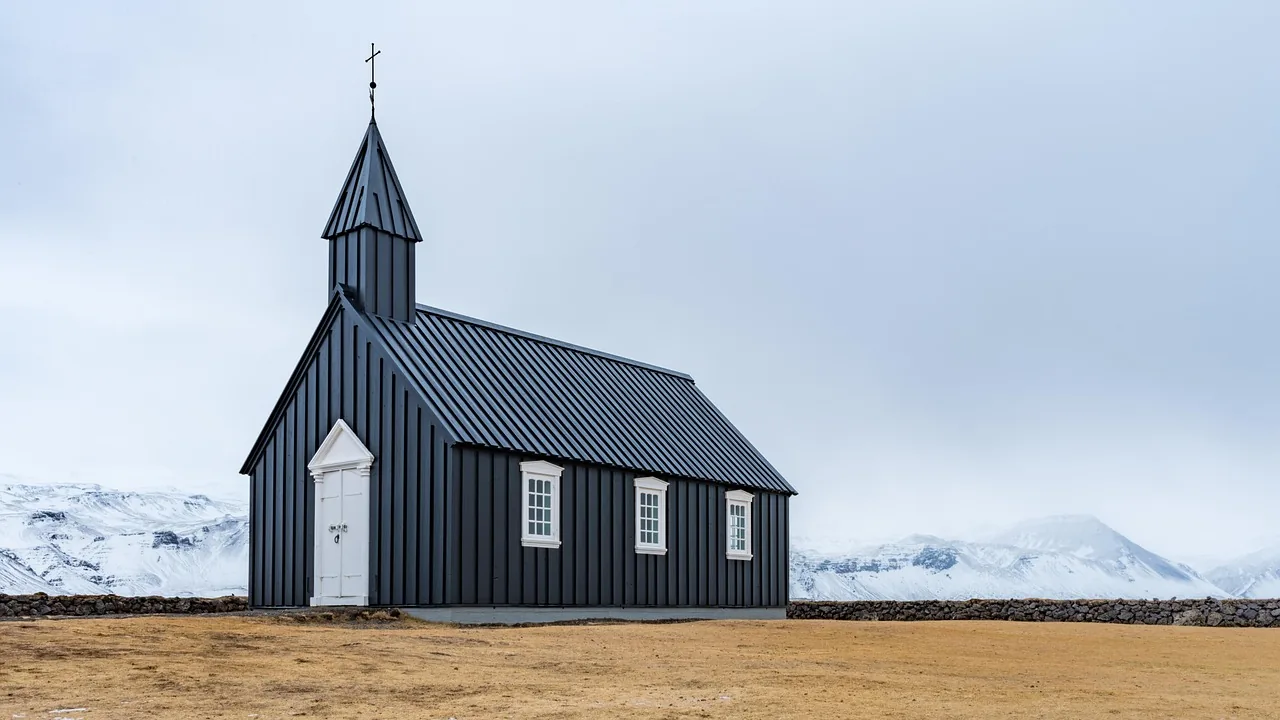
Gospel, music filled with emotion and spirituality, has captivated millions of listeners around the world. But where and how was this distinctive art form born? Join us as we explore the history and roots of this musical genre and uncover its secrets.
The African origins of gospel
At the very heart of African culture, music holds a central place. It is an essential element in religious ceremonies, initiation rites, and community celebrations. Among these musical traditions are polyphonic songs and complex rhythms, which form the foundation of today’s gospel.
When enslaved Africans arrived on American soil, they brought their customs and musical practices with them. These traditions were passed down from generation to generation and gradually transformed, giving birth to gospel.
The role of churches in the development of gospel
Religion played a central role in the emergence of gospel in the United States. Religious songs were very popular, especially in African American churches in the southern United States. Hymns and psalms were sung there, harmoniously blending African and European influences.
The first gospel groups
The first gospel ensembles were born within churches. Worshippers gathered to sing and pray together, sometimes accompanied by instruments such as the tambourine or organ. These informal groups gradually evolved into the first professional gospel choirs in the 1920s and 1930s. Among them were the famous Fisk Jubilee Singers and the Golden Gate Quartet.
The evolution of gospel over the decades
Gospel has gone through several turning points that shaped its evolution and its spread around the world. Its styles and influences diversified over the years, while preserving the spiritual essence so closely associated with the genre.
The marriage of gospel and jazz
In the 1930s, gospel music was enriched by the contribution of jazz, another musical style born in the United States. This fusion gave rise to a new form of gospel, more rhythmic and dynamic, where voices blended with the brass and percussion typical of jazz. Artists such as Mahalia Jackson and Thomas A. Dorsey pioneered this new gospel sound.
Gospel and the civil rights struggle
During the 1960s, as the civil rights struggle was in full force in the United States, gospel became a symbol of resistance and emancipation for the African American community. Committed artists such as Sam Cooke, Aretha Franklin, and Mavis Staples used their voices to amplify their people’s demands and reach an ever wider audience.
The success of contemporary gospel
Today, gospel continues to appeal to many listeners around the world thanks to artists such as Kirk Franklin, Yolanda Adams, and Donnie McClurkin. The genre has renewed itself by incorporating elements from R&B, pop, and even rap, while preserving its spiritual and positive message.
Cultural events centered on gospel
Gospel’s worldwide success has contributed to the emergence of many cultural events dedicated to this musical genre. Festivals, concerts, workshops, and choirs all give enthusiasts opportunities to share their love for this music, so rich in history and emotion.
- Festivals: Every year, several festivals put gospel in the spotlight, with varied programs combining major names and local discoveries. Examples include Gospel Park in Paris, the International Gospel and Roots Festival in Lille, and the Chicago Gospel Music Festival in the United States.
- Concerts: Gospel artists regularly perform on stage to share their music with the public. Groups range from simple amateur choirs to international stars of the genre.
- Workshops: Many music schools and associations offer workshops for learning how to sing gospel, either individually or in a group. These classes introduce singers to the vocal techniques specific to the genre while providing a friendly moment shared with other enthusiasts.
- Choirs: Gospel choirs are very present in churches, but also in schools, universities, and cultural centers. They offer the chance to practice this music in a group and take part in events such as services, concerts, and competitions.
Gospel, with a history rooted in African culture and the lived experience of enslaved people in the United States, has crossed the decades to become a universal, unifying music full of hope. From its spiritual origins to its contemporary success, it continues to fascinate and move those who listen to it and practice it with passion.
Mastering the voice in order to become a better gospel singer is essential. You too can improve your command of this musical style by reading our tutorial dedicated to methods for improving your gospel performance.