
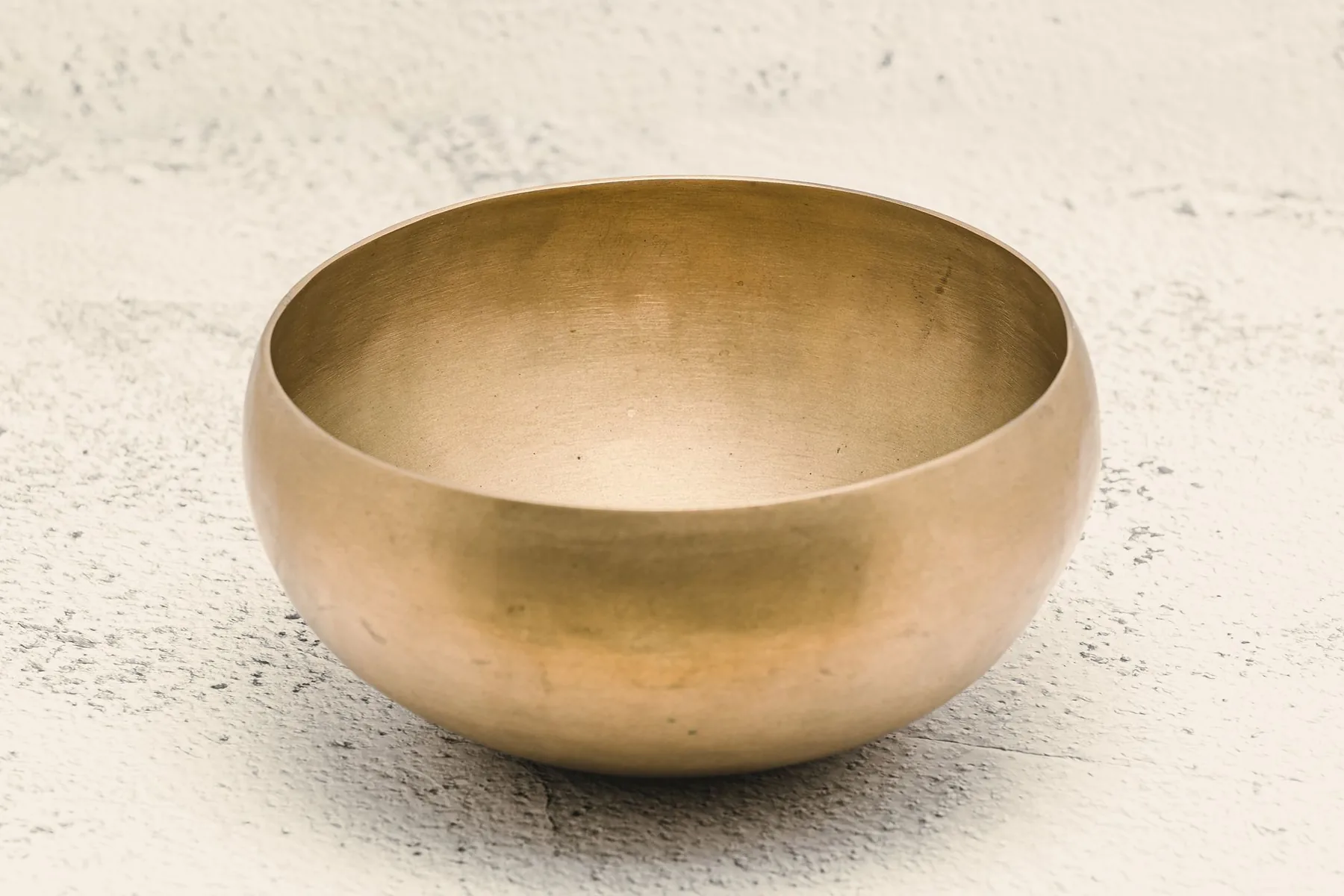
Complete guide to understanding this wellness approach centered on sounds and vibrations. Here, the effect comes through listening, vibration and presence, rather than through body manipulation as in a classic massage.
Goal: to help you choose, practice in a session or at home, and set realistic points of reference. We make no healing promises; this use remains complementary and non-medical.
This text is for people who feel stressed and are seeking calm, relaxation or a soothing ritual. It will also suit curious readers who want to better understand this “you hear it and you feel it” experience.
Throughout this article, you will find: how waves and the nervous system work, what happens during a session, recommended frequency, how to choose equipment, micro-rituals, simple contraindications and criteria for choosing a practitioner.
Note: sensations vary from one person to another. This guide aims to make the practice safer and offer concrete reference points. To learn more, see this file on sound therapy.
Understanding sound massage and singing bowls
What is a sound massage?
This practice uses sound as a support for listening and calming during a guided session. The practitioner plays several bowls by striking or rubbing them to produce targeted vibrations.
Terminology and how it works
People sometimes speak of singing bowls or Tibetan bowls to describe traditional metal instruments. In France, the terms often overlap, even though their origin belongs to a broad Himalayan region.
Metal alloy vs crystal
Alloy bowls offer a rich, enveloping sound. Crystal bowls produce a purer, more direct tone. The choice influences the feeling: enveloping or more penetrating.
Origins and contemporary uses
These practices come from Nepal, Tibet and neighboring regions, then adapted to modern wellness in Europe from the 1960s onward. No belief is required to benefit from a session: the relationship with sound is enough.
A structured approach (questionnaire, protocol, sound hygiene) prepares the ground before the session.
How sounds and vibrations act on the body and nervous system
When a sound is born, it travels: it reaches hearing first, then passes through the skin as vibrations. This dual pathway makes the experience both auditory and bodily. The wave carries information that the nervous system receives and interprets.

From sound to sensation
You hear the wave, then you feel it. Responses may include tingling, ripples or the impression of waves moving through the body.
Why rhythm encourages relaxation
A regular, gentle rhythm creates predictable signals for the nervous system. These signals often help release hypervigilance and invite deeper relaxation, without any magical promise.
The role of water as a teaching image
Think of the body as being made of about 60% water: a wave created on a surface spreads in circles. In the same way, waves pass through tissues and the body’s water, helping sensations travel.
What you can reasonably expect
Expect calm, a refocusing of attention and a better sense of your body. The effects vary according to your state at the time and your sensitivity. This is a reassuring setting for relaxation, not a medical treatment.
Sound massage with Tibetan singing bowls: benefits and precautions
The most common feedback describes deep relaxation and a gradual letting go.
Relaxation and letting go: during a session, many people notice lower stress and a feeling of calm. Relaxation helps attention come back to center, which supports mental release.
Sleep support: this relaxation often makes the transition toward rest easier. It may improve sleep quality and falling asleep, without guaranteeing a systematic result.
Release of tension: the neck, jaw, head and shoulders are the areas most often mentioned. Many people also report fuller breathing and a body that feels “more settled.”
Energy and well-being: some people feel renewed energy after the practice. This is often explained by nervous recovery and reduced stress.
The effects vary according to protocol quality, volume, personal sensitivity, fatigue level and room comfort. If a sound is too loud or uncomfortable, it is important to say so during the session.
To go further, see this file on sound therapy, which details uses and precautions.
Chakras, “energy” and resonance: how to speak with nuance
Speaking about chakras and energy requires a nuanced approach. The goal is to welcome symbolic frameworks without confusing felt experience with scientific proof.
Felt harmonization vs scientific proof
Use clear language: describe what is felt (warmth, relaxation, images) and make it clear that these data remain subjective.
Avoid claiming cures. Objective evidence is lacking for many chakra-related claims.
Resonance: physical and symbolic
Resonance describes measurable vibration and the symbolic effect that may awaken in each person. The two meanings can coexist without contradicting each other.
Alloys and the symbolism of the “seven metals”
Tradition mentions seven metals (gold, silver, mercury, copper, iron, tin, lead) associated with planets and centers. This supports cultural storytelling, but it does not replace the acoustic quality of a bowl.
| Metal | Planet | Symbolic association |
|---|---|---|
| Gold | Sun | Center, vitality |
| Silver | Moon | Receptivity, calm |
| Copper | Venus | Circulation, warmth |
| Iron | Mars | Stability, grounding |
| Lead | Saturn | Transformation |
When the experience becomes emotional
Reactions such as tears, agitation or memories may appear. They may be a natural release, without dramatizing it.
Simple advice: put words to it, return to breathing, ask for silence or a gentler practice. Say so if your state becomes too intense.
What a Tibetan singing bowl sound massage session looks like
A session begins with a short conversation. The practitioner asks questions about health, sensitive areas and expectations. A simple intention is formulated to guide the protocol without weighing the person down.
Setup and comfort
You stay dressed and lie down, often on a table or mat. Cushions adjust the posture.
It is advisable to stay covered: deep relaxation cools the body. The room temperature is checked before starting.
Placement and technique
The bowls are placed around the body for enveloping diffusion, or on clothing depending on the technique.
The practitioner plays with wooden, felt or leather mallets. They alternate low sounds (grounding) and high sounds (clarity). The tone can sometimes be modulated with a little water in a bowl.
Duration, rhythm and ending
A session generally lasts 45 to 60 minutes, in sequences of a few minutes punctuated by silences. The rhythm lets the system integrate the vibrations.
The end includes a short landing time: slow breaths, a few minutes of silence, returning to movement and hydration. A brief exchange closes the session without excessive interpretation.
How many sessions and how often for lasting effects
To anchor real changes, it is better to consider a series of sessions rather than a single visit.
Common reference point: a cycle of 5 to 8 sessions, once a week or once every two weeks at first. Then you move to maintenance a few times a year according to need.
Why a cycle? Regular repetition gives the nervous system time to integrate the stimulation. The effects stabilize better than after an isolated session.
Adapt according to your state
Occasional stress: a closer frequency helps you decompress quickly.
Sleep problems: ritualizing the practice in the evening supports rest quality.
Chronic tension: favor gradual progress and listen to your body. Adjust if fatigue increases.
“The quality of the setting matters as much as the number of times: volume, comfort and support influence the effect.”
| Goal | Suggested rhythm | Follow-up |
|---|---|---|
| Quick decompression | Once a week (3–4 sessions) | Assess relaxation, adjust |
| Regular sleep | Once every 2 weeks (5–8 sessions) | Track sleep quality |
| Chronic tension | Once a week, then space out | Quarterly maintenance possible |
Practical tip: note your relaxation level and sleep quality to decide whether to continue the practice. Light seasonal maintenance is sometimes enough to maintain well-being.
Choosing Tibetan bowls and equipment if you practice at home
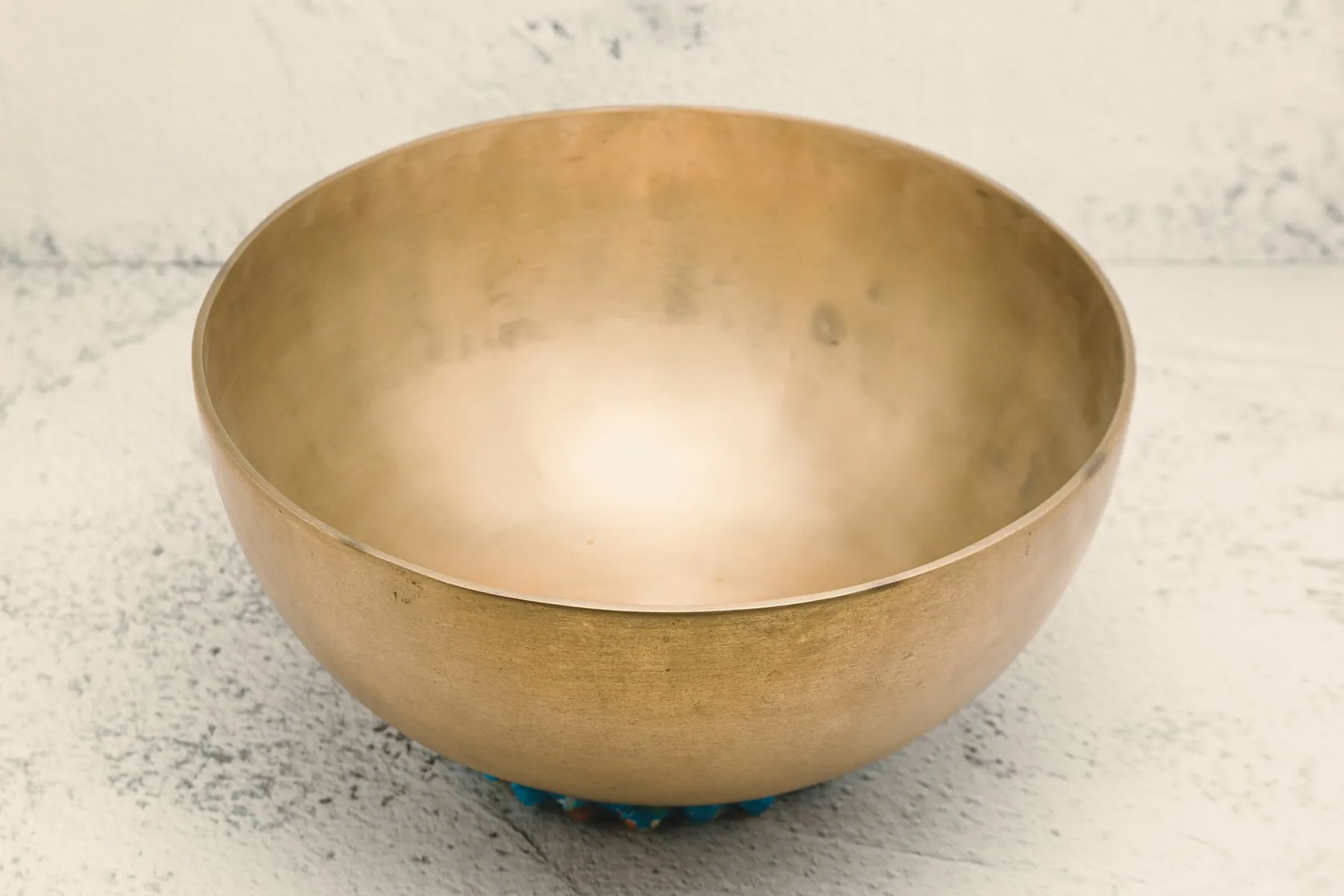
A good purchase starts with knowing whether you want a deep or discreet sound. This guides the number of instruments to get and the bowl size best suited to you.
Size, timbre and resonance duration: useful quality criteria
Size: a larger bowl gives a lower sound and longer resonance. A small bowl is practical for short use or apartment living.
Timbre: choose a sound that soothes you. Check the richness of the harmonics and the stability of the sound as the bowl fades.
The mallet changes everything: wood, felt, leather and grip
The mallet influences the attack and softness of the sound. Wood offers a clear attack.
Felt or leather gives a softer contact and makes continuous rubbing easier. Test the grip: control of the gesture is essential for good resonance.
Authentic, artisanal, marketing: buying with discernment
Anti-marketing method: listen to several bowls before buying. Favor the instrument you will use most often.
“A bowl that feels too precious often ends up on a shelf; choose the one that supports your routine.”
| Use | Recommended size | Advantage |
|---|---|---|
| Short ritual | Small | Discreet, easy to handle |
| Long meditation | Medium to large | Long, enveloping resonance |
| Mixed practice | Two sizes | Flexibility of sounds and vibrations |
Practical reference point: if a purchase intimidates you, you will not use it. Choose usability over appearance alone.
Simple techniques for using a bowl every day
Easy techniques make it possible to integrate the bowl into a short daily practice. Here are clear gestures for beginners and three quick micro-rituals to test.
Gentle strike: step-by-step method
Position: place the bowl on a cushion or in your palm without stiffness.
Gesture: strike lightly, let the sound fade before repeating. Breathe with the sound and respect a natural rhythm.
Rubbing the rim: getting a continuous sound
Make a smooth circle with the mallet, with steady pressure and slow speed. If the sound does not develop, adjust the angle of the gesture or change mallets.
Micro-rituals and breathing
- Morning (3 minutes): 3 strikes, listen between each one.
- Anti-stress break (1–2 minutes): one “reset” strike + complete silence.
- Evening (5–8 minutes): 5 spaced strikes to begin relaxation.
Breathing: inhale at the beginning of the sound, exhale more slowly until it disappears. Do not force it.
Tip: 2–5 regular minutes are better than long, rare sessions. Observe the sensation in your shoulders, jaw and belly.
To choose an instrument suited to home practice, see a useful buying guide.
Precautions, contraindications and possible side effects
Before any practice, it is useful to know the situations where it is better to avoid it or adapt the approach.
Major contraindications
- Pacemaker: avoid stimulation near the chest without medical advice.
- Cochlear implant: risk of interference; ask a specialist for approval.
- Epilepsy: people should consult their neurologist before a session.
Situations to adapt or discuss
Pregnancy, tinnitus, hyperacusis or dizziness call for a moderate protocol.
Reduce volume, keep distance from the ears and avoid direct placement on a painful area.
Psychological vulnerability and treatments
If you have a psychological disorder or are taking psychiatric medication, speak with your doctor.
Choose a practitioner who knows how to slow down, take breaks and offer a very gentle session.
Safety during and after the session
- Moderate volume and distance from the ears.
- Clear permission to ask for “softer” or “farther away.”
- After the session: fatigue and emotions are possible; hydrate, rest and return to activities gradually.
If a case seems too intense, stop or adjust the intervention; the participant’s autonomy remains the best precaution.
| Situation | Recommended action | Note |
|---|---|---|
| Pacemaker | Contraindication | Ask for cardiology advice |
| Cochlear implant | Avoid or adapt | Risk of interference |
| Epilepsy | Contraindication without advice | Consult a neurologist |
| Pregnancy | Adapt intensity | Gentle protocol advised |
| Tinnitus / hyperacusis | Reduce volume, keep distance | Monitor effects |
For detailed information on side effects and specific cases, see this specialized article by following this guide to side effects.
Choosing a practitioner and method in France
The choice of professional strongly influences safety and how sensations are held. Before booking, check whether the practitioner offers a preliminary conversation and a health questionnaire.
Individual session vs group bath: what experience should you aim for?
An individual session is personalized, gentler and adjustable in real time. It suits people who are sensitive to noise or who are looking for privacy.
A group sound bath offers a shared immersion, often broader, but less adaptable to each person. If you are aiming for sleep or targeted recovery, prefer a one-to-one approach.
Peter Hess method and supervision reference points
The Peter Hess method, born in the 1960s, remains a solid reference point. It has a training framework, more than 30 academies and a French-speaking federation (FFPPH).
Mentioning a recognized practitioner, such as Virginie Chase (Paris), can reassure people about the quality of the supervision.
Questions to ask before booking
- Do you offer a preliminary conversation and a health questionnaire?
- How do you adapt the volume and placement of the instruments?
- How do you manage contraindications and sound hygiene?
Tip: ask for details about the protocol and how the practitioner respects boundaries if an emotion arises.
To complete your information, read a practical sheet on sound therapy before choosing your provider.
Conclusion
To finish, the simple gesture of an instrument is often enough to open a brief inner space.
In summary, using a bowl and mallet relies on listening and sensation. It may support meditation, deep relaxation and temporary well-being, without replacing medical advice.
Three pillars to remember: choose a sound that soothes you, practice regularly, even in a few short sessions, and respect contraindications for a responsible approach.
Less, but better: a single well-chosen bowl, played gently, often creates an effective daily ritual.
If you are unsure, try a guided session to learn volume, placement and rhythm. Then make a bowl sound, listen until silence, and observe the sensation in the body.
To go further with uses and practical reference points, see this file on the effects. Finally, consider this approach a useful complement to an overall healthy lifestyle.