
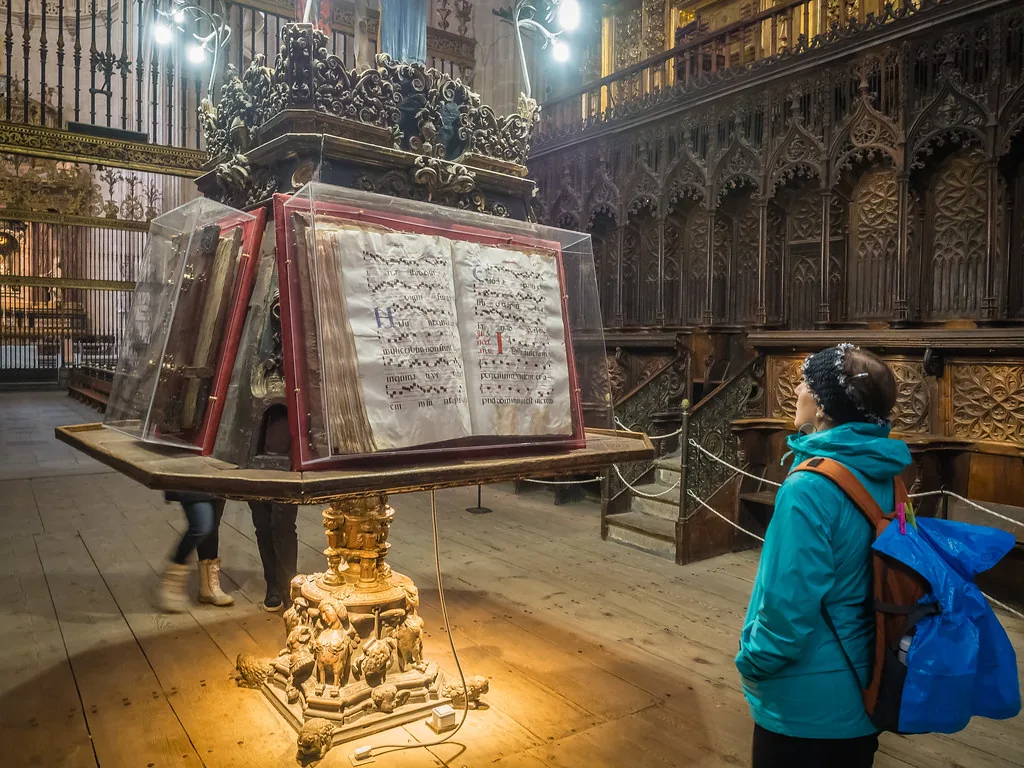
Music plays an essential role in moments of remembrance. It brings comfort and solemnity, accompanying loved ones in their spiritual journey. Choosing the right melodies helps honor the memory of the deceased while creating a peaceful atmosphere.
This article offers a varied selection suited to each stage of the celebration. From classical pieces to traditional hymns, discover inspiring references for creating a harmonious musical program.
You will also find practical advice, such as bringing in professional artists like Ariane Douguet, whose sublime voice adds a unique dimension to these deeply emotional moments.
Whether you are organizing a Mass or an intimate ceremony, this guide supports you in your choices. Explore reliable sources and complete repertoires to personalize this musical tribute.
The importance of religious hymns in a funeral ceremony
Sacred melodies transform a moment of mourning into a spiritual celebration. They guide the congregation toward contemplation while honoring the memory of the deceased.
The spiritual and emotional role of music
The human voice carries a unique power. It connects hearts and lifts souls toward the Lord. According to a recent study, 75% of French families combine Gregorian traditions with modern compositions.
Take “Light of the World,” for example. This hymn, often used during the rite of light, creates an atmosphere of peace. It symbolizes eternal love and divine presence.
How to choose hymns in keeping with the liturgy
Working with the parish priest is essential. Liturgical teams can advise you on appropriate words. They know the guidelines of the Roman Missal.
Here are three mistakes to avoid:
- Neglecting the deceased person’s musical preferences
- Choosing melodies not approved by the diocese
- Forgetting to rehearse with the parish organist
To explore this topic further, discover how music influences a ceremony. Sacred art gives meaning to every gesture, from the entrance of the coffin to the final blessing.
Religious funeral hymns: lyrics and links for the entrance of the coffin
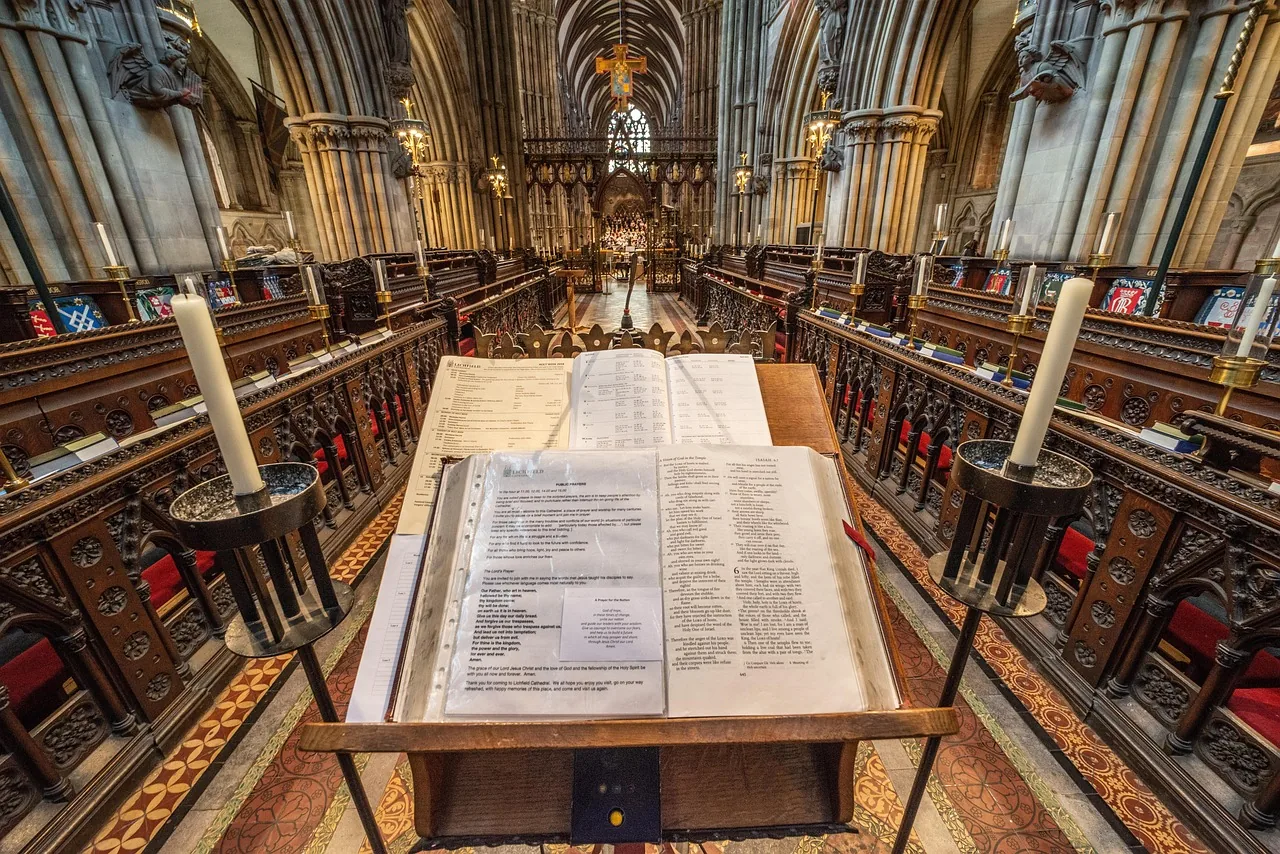
The entrance of the coffin marks a key moment in the ceremony, when every musical note guides hearts toward contemplation. These sacred melodies symbolically accompany the deceased across the threshold of their eternal home, creating an atmosphere that is both solemn and soothing.
Classic entrance hymns and their meanings
Traditional hymns, such as “At the Threshold of His House”, evoke welcome into the divine presence. Their Gregorian structure, often in Latin, brings a universal dimension. A closer look at three references:
- “O Cross, Raised Over the World”: a symbol of hope, linking death to resurrection.
- “You Who Come to Save All”: recalls the redemptive mission, ideal for a processional entrance.
- “Light of the World”: illuminates the spiritual path, as described in this complete repertoire.
Modern options for a personal touch
Today, 40% of families choose contemporary adaptations. “Whoever Loves Has Already Crossed Death”, for example, blends biblical texts with an acoustic melody. Advice for including an original creation:
work with the organist to adapt the scores. Some churches even allow video projections, as during a performance of “You Are There, at the Heart of Our Lives”.
For personal recordings, check the sound system of the religious building. A premixed track helps avoid technical surprises.
Specific rituals: light, cross and psalms
Sacred rituals give spiritual depth to funeral ceremonies. They transform simple gestures into powerful symbols, guided by melodies that lift the soul.
Hymns for the rite of light
The rite of light symbolizes hope and divine presence. Taizé compositions, such as “Jesus, Light of the World”, are often chosen for their simplicity and depth.
Practical advice:
- Coordinate the lighting of candles with a musical crescendo.
- Choose repetitive refrains, such as “Kyrie eleison”, to create a meditative mood.
Music accompanying the rite of the cross
The cross represents salvation and victory over death. Hymns such as “Victory, You Shall Reign” harmonize with the ringing of bells for a solemn effect.
Recommended instruments:
- The organ for a sacred tone.
- The cello or harp for a more intimate touch.
Sung psalms for a prayerful atmosphere
Psalms, such as Psalm 27 (“The Lord is my light”), offer a balance between reading and song. Alternating technique:
- A reader for the verses, the congregation for the refrains.
- Use simple melodies to encourage participation.
Other key psalms: 23, 103 and 130. Each carries a message of hope suited to prayerful remembrance.
Hymns for Communion and thanksgiving
The Eucharist becomes a musical dialogue between heaven and earth. These sacred melodies underline divine love and unite hearts in one movement of faith.
Music to accompany Communion
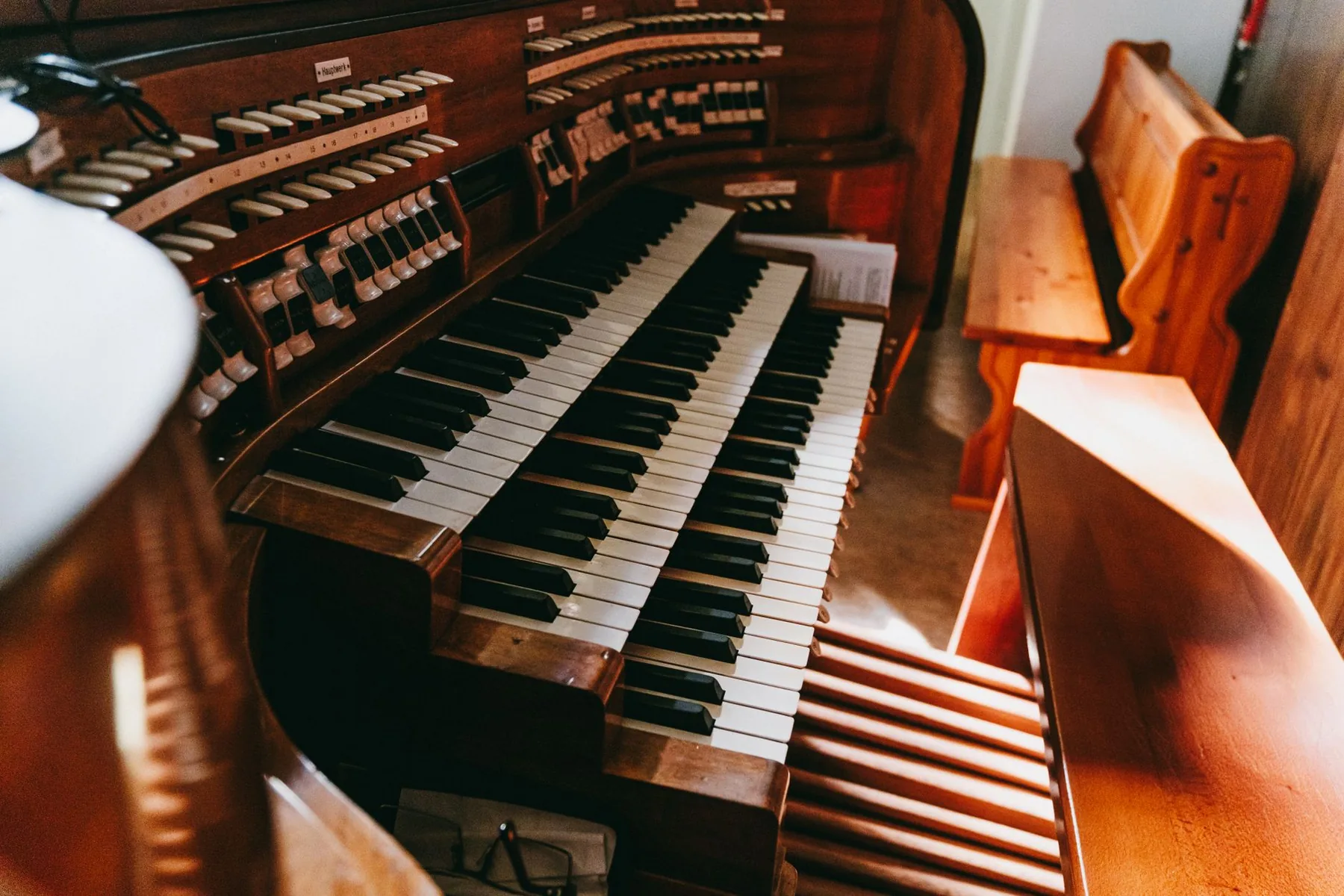
César Franck’s Panis Angelicus remains an essential classic. Its melody carries the soul toward the divine presence, as 60% of families experience through instrumental versions.
Three choices approved by bishops:
- “God Is Love”: a simple refrain that encourages meditation.
- “Come to the Lord”: a gentle invitation, suited to the Gospel acclamation.
- “This Is the Body and the Blood”: a powerful canon, as described in this complete repertoire.
“The organ alone brings sacred solemnity, while a string quartet offers moving intimacy.”
Thanksgiving hymns after the Eucharist
This moment expresses gratitude. “Thank You for Your Love” or “You Have Already Carried Us Across Death” are vivid examples.
Avoid these mistakes:
- A tempo that is too fast and breaks the recollected mood.
- Texts not aligned with Eucharistic theology.
- Neglecting the acoustics of the church.
For a successful medley, alternate a psalm with a modern refrain. The balance between tradition and innovation honors every heart present.
Personalizing the ceremony with solo hymns
A solo voice can transform a moment of remembrance into a unique musical experience. It brings an intimate, moving touch, suited to the wishes of the deceased and the family.
Ave Maria and other lyrical pieces
The Ave Maria remains the classic choice for honoring the memory of a loved one. Among the most requested versions:
- Schubert: a soft, enveloping melody.
- Gounod: an adaptation over Bach’s prelude.
- Caccini: a version often attributed to Maria Caccini, although its origin is debated.
Other compositions, such as Fauré’s Pie Jesu, offer a touching alternative. These pieces highlight the voice while respecting the solemnity of the moment.
Working with professional musicians
Calling on a soloist such as Ariane Douguet ensures a quality performance. Her repertoire includes 15 different versions of Ave Maria, adaptable to each context.
Advice for choosing well:
- Check fees (between EUR300 and EUR800 depending on the performance).
- Plan for instrumental accompaniment if the church has no organ.
- Choose a recording if the budget is limited.
“A well-prepared voice can carry the prayer of an entire congregation.”
Specialized platforms simplify booking. They offer verified profiles with audio excerpts to make the choice easier.
Conclusion
A well-prepared ceremony brings comfort and dignity. With 92% of families satisfied, sacred music strengthens the heart and spirit during this difficult time.
For a harmonious program:
- Combine traditional hymns with personal touches
- Book soloists in advance, such as Ariane Douguet
- Use the scores and resources available
Musical accompaniment transforms the tribute into a deeply peaceful experience. It unites loved ones in hope and memory.
For advice or bookings, contact professionals. Sacred music remains a powerful link between earth and heaven.
FAQ
Which religious hymns are best suited to a funeral ceremony?
How do you choose music that reflects the life of the deceased?
Can modern songs be included in a funeral Mass?
What role do rites such as light or the cross play in funerals?
How can a solo hymn such as Caccini’s Ave Maria be included?
Which psalms are recommended for a prayerful atmosphere?
Source Links
- https://www.mortuaryguide.com/blog/catholic-church-songs-for-a-funeral
- https://www.usccb.org/prayer-and-worship/sacraments-and-sacramentals/bereavement-and-funerals/overview-of-catholic-funeral-rites
- https://www.usccb.org/prayers/prayers-death-and-dying
- https://www.coop.co.uk/funeralcare/advice/funeral-songs/hymns
- https://www.churchmusic.ie/articles/funeral-music/planning-funeral-music
- https://www.liturgyoffice.org.uk/Resources/OCF/index.html
- https://memoriance.com/en/blog/funeral-songs
- https://www.usccb.org/prayer-and-worship/sacraments-and-sacramentals/bereavement-and-funerals/readings-for-the-funeral-liturgy
- https://www.catholicbishops.ie/wp-content/uploads/2011/02/OCF-Music.pdf
- https://www.ocp.org/en-us/blog/entry/how-to-prepare-music-for-catholic-funerals
- https://londonchoralservice.com/music-guides/anima-christi-catholic-funeral.html
- https://www.usccb.org/prayer-and-worship/sacraments-and-sacramentals/bereavement-and-funerals/overview-of-catholic-funeral-rites
- https://www.ocp.org/en-us/blog/entry/how-to-prepare-music-for-catholic-funerals
- https://www.myfarewelling.com/planning