
Among the treasures of Franciscan liturgy, one hymn stands out for its biblical depth. Inspired by the Gospel narratives, it evokes the calling of the first disciples and their wholehearted commitment.
The archives of the congregation of the Franciscan Sisters of Our Lady of Sorrows preserve its memory. This canticle, protected by intellectual property rights, remains accessible to seekers of meaning.
Its poetic text portrays the Christian vocation as a seafaring adventure. The boat symbolizes both the Church and the personal journey toward faith.
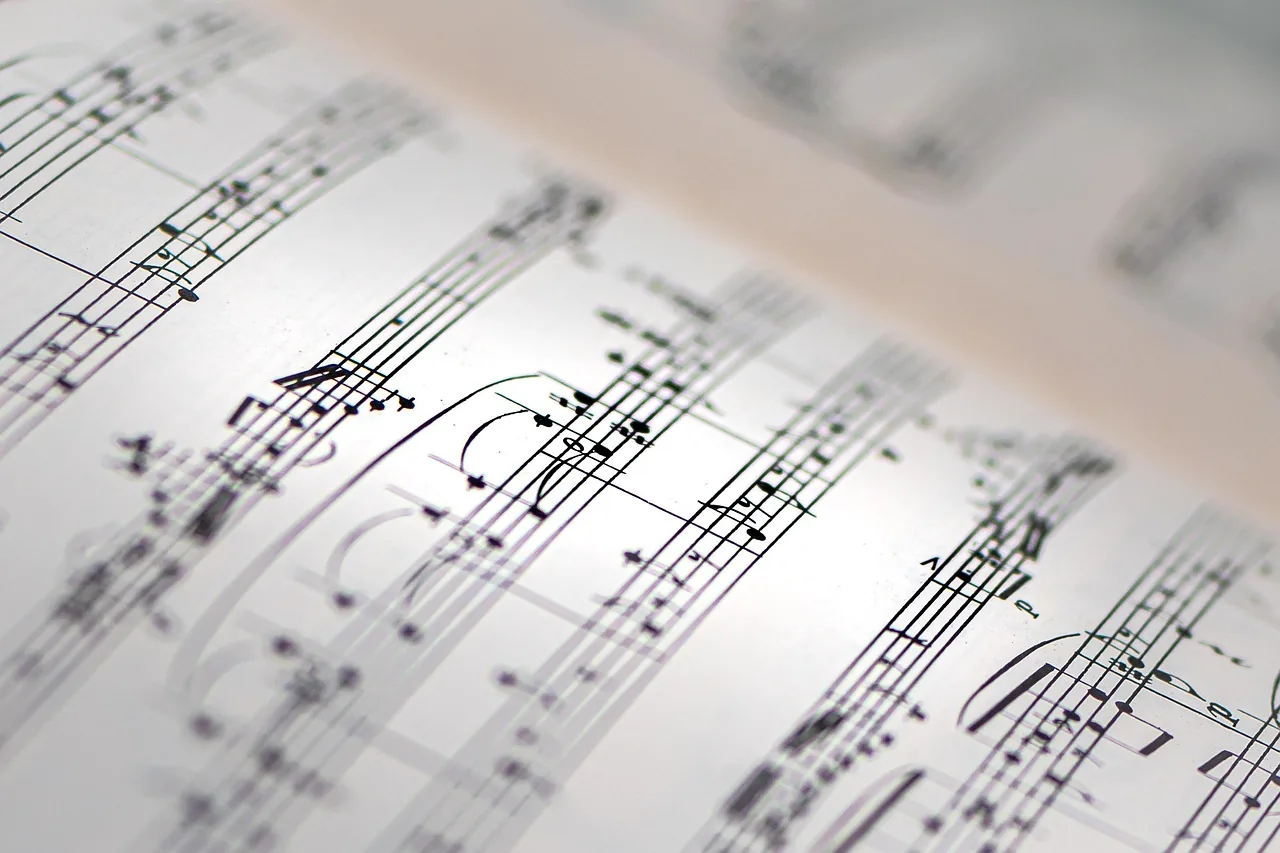
Our blog gives you privileged access to this work. Log in to view all the verses and its historic musical notation.
Introduction to the hymn “La Barque” and its symbolism
At the heart of spiritual traditions, a melody evokes the soul’s journey. The Franciscan sisters preserved this treasure, which blends poetry and theology. Its text reminds us that faith is an adventure, often compared to a crossing.
Origins and religious context
This canticle has its roots in the Gospels. In them, Jesus calls his disciples to follow him, like fishermen leaving their boat. Father Damien Verley highlights its missionary daring, which remains relevant today.
The boat as a symbol of the Church and faith
The Church is often described as a ship facing storms. This symbol reminds us that the Lord guides believers, even amid uncertainty. The parallel with today’s challenges of evangelization is clear.
| Symbol | Meaning | Biblical reference |
|---|---|---|
| Boat | Community of believers | Mark 4:35-41 |
| Storm | Spiritual trials | Matthew 14:22-33 |
To explore this Christian nautical symbolism in greater depth, discover how Scripture uses it to speak of hope. The believer’s life then becomes a journey guided by divine light.
Religious hymn “La Barque”: lyrics and sheet music
Discover the musical and spiritual riches of this emblematic canticle. Its words and melodies have inspired generations, carrying a profound message.
Complete lyrics and translation
The original text, written by Danielle Sciaky, expresses a living faith. Each verse recalls the call to follow the Lord with trust. An official translation helps reveal all its nuances.
The archives of the Franciscan Sisters preserve the authentic version. To access it, you must log in through the Chantons en Église website.
Where to find the original score
Michel Wackenheim’s composition is protected by copyright. Referenced under the SECLI code T14-88T, it appears on the CD Viens fleurir la fête.
Choirs can obtain the four-part arrangement from the Pôle Fontainebleau online library.
Access to polyphonic versions
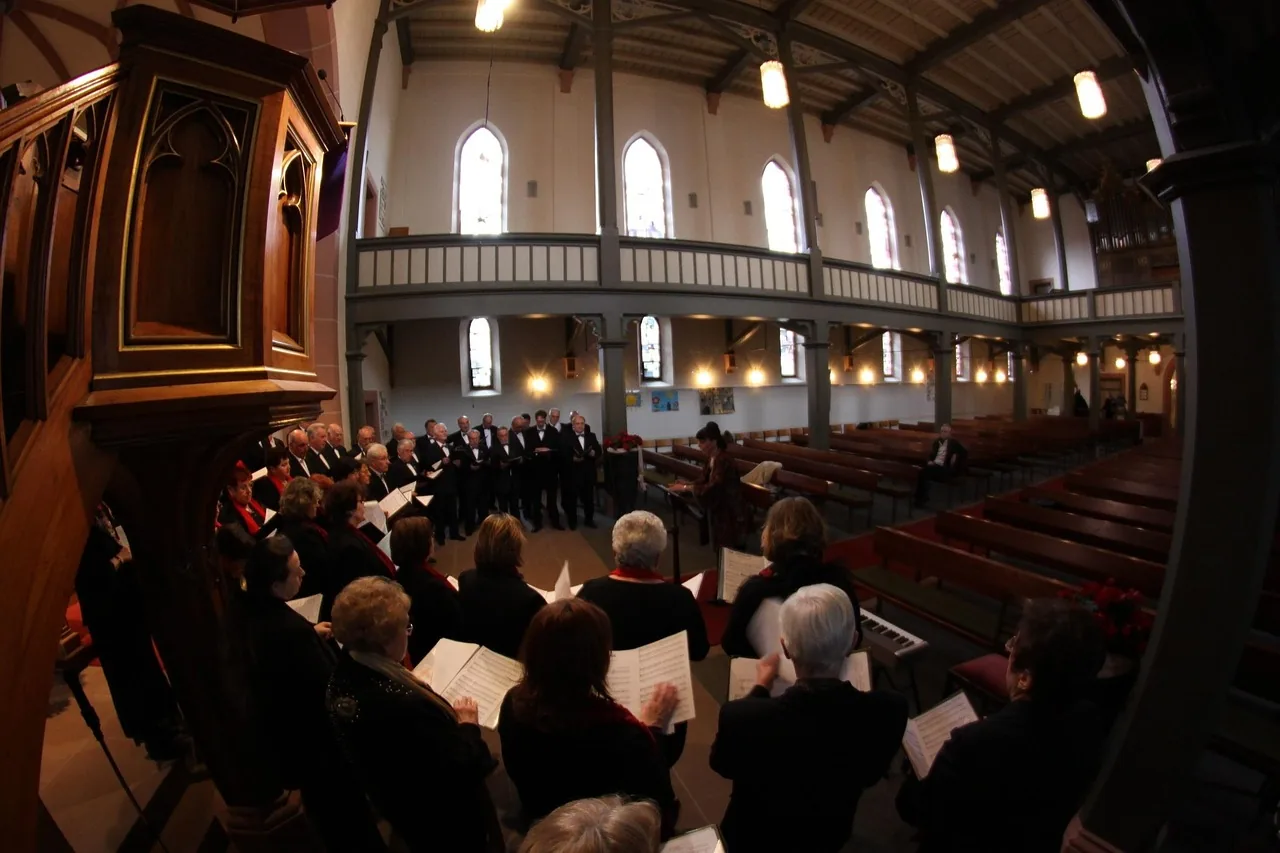
Several interpretations enrich this canticle. B. Gschwind created a remarkable polyphony that combines voices with traditional instruments.
- Interpretation workshops: program from September to November
- Reference recordings by the Franciscan Sisters
- Tips for harmonizing refrains with flute or harp
“Working on this piece was a spiritual journey. Each voice carries a unique dimension of faith.”
How to interpret “La Barque” with accuracy
Interpreting this sacred melody requires an approach that is both technical and spiritual. To convey its depth, it is essential to combine musical precision with inner commitment.
Tips for singing with devotion
Fervor comes through understanding the text. Visualize the images it evokes, such as the sea or the calling of the disciples. This deepens the expression.
Practice regularly in small groups to harmonize the voices. The workshops offered by the following parishes are ideal:
- Notre-Dame de Paris (monthly masterclasses)
- Saint-Sulpice (sessions accompanied by organ)
Understanding the musical nuances
Dynamics (piano, forte) underline the meaning of the words. The composer B. Gschwind advises:
“Play with the silences between phrases. They create a spiritual breath.”
Resources for accompanying the hymn
Several instruments suit this work. Here is a selection:
| Instrument | Recommended use | Required level |
|---|---|---|
| Organ | Accompanying the refrains | Intermediate |
| Liturgical guitar | Arpeggiated verses | Beginner |
To go further, browse our blog archives between April and June. They bring together masterclasses on interpretation.
You can easily find this article from the home page through the “Spiritual Resources” section.
Conclusion
This canticle invites us to live our faith boldly, like the first disciples. Its maritime symbolism speaks to everyone, reminding us that the spiritual path is a journey.
To include it in your practice:
- Meditate on its words during times of prayer
- Share this article with your congregation
- Explore other resources on our blog
May the metaphor of the boat inspire your witness. As Father Verley said: “Sail toward what matters most with confidence.”
Find more inspiration on our home page, including this booklet of spiritual hymns to deepen your practice.
FAQ
What is the origin of the hymn “La Barque”?
Where can I find the complete lyrics?
Is there a score for choir?
How should this hymn be interpreted well?
Is this hymn connected to a specific liturgical feast?
Source Links
- https://www.traditionalmusic.co.uk/catholic-hymns/
- https://www.pewmissal.com/brand_new/index.php/ignatius-pew-missal/ignatius-pew-missal-ordinaries-hymns/
- https://www.vatican.va/content/francesco/en/messages/vocations.html
- https://www.vatican.va/content/francesco/en/messages/pont-messages/2017/documents/papa-francesco_20171125_messaggio-pastorale-vocazionale.html
- https://www.traditionalmusic.co.uk/catholic-hymns/
- https://commons.wikimedia.org/wiki/File%3AHymns_of_the_Catholic_Church_-_Compiled_from_various_sources_%28IA_HymnsOfTheCatholicChurch%29.pdf
- https://www.vatican.va/content/francesco/en/messages/vocations/documents/papa-francesco_20140115_51-messaggio-giornata-mondiale-vocazioni.html
- https://loc.ignatius.com/adoremus-hymnal/index.html