
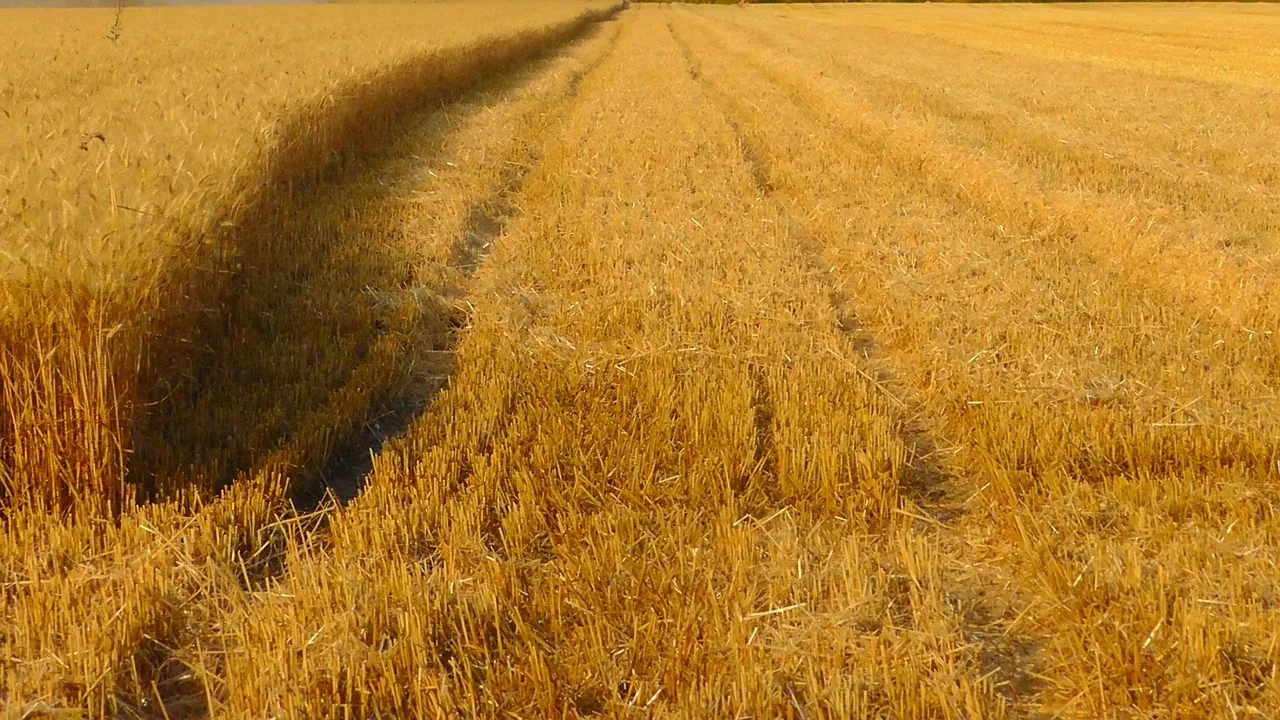
The song “Grain of Wheat” holds a central place in Christian liturgy. Inspired by the Gospel according to John, it evokes life, death, and rebirth. This powerful agricultural symbol recalls self-giving and spiritual fruitfulness.
Especially appreciated during Lent and Easter, this hymn accompanies the faithful on their journey. Communities such as Chemin Neuf use it to meditate on sacrifice and resurrection.
Through its lyrics, it invites deep reflection on our relationship with the Father. The biblical text (John 12:24) serves as the foundation for this melody, often sung in French-speaking parishes.
The lyrics of the song “Grain of Wheat” and their biblical origin
This hymn draws its roots from a key passage in the Gospel according to John. Its text, simple and profound, uses an agricultural metaphor to illustrate a spiritual mystery.
The full text of the song and its structure
The Chemin Neuf Community version begins: “Grain of wheat that falls into the earth, if you do not die, you will remain alone…”. Each stanza develops the idea of sacrifice and fruitfulness.
The structure follows the rhythm of the Johannine narrative. The refrain, in particular, emphasizes the importance of the decisive hour evoked by Jesus.
The Gospel of John (12:20-33): a source of inspiration
Chapter 12 of John recounts a pivotal moment. Jesus declares:
“Unless a grain of wheat falls into the earth and dies, it remains alone; but if it dies, it bears much fruit.”
This saying comes after the request of the Greeks, symbolizing the universal call of the Christian message.
The request of the Greeks and Jesus’ response
During the Jewish Passover, some Greeks ask Philip: “We would like to see Jesus”. Their request precedes the proclamation of glorification through the Cross.
The voice from heaven, heard by some as thunder, confirms the Son’s mission. This episode strengthens the link between the song and its scriptural foundation.
The symbolism of the grain of wheat in Christian tradition
Since the earliest centuries, the Fathers of the Church have meditated on this powerful metaphor. It unites nature and the sacred, revealing a central mystery of faith.
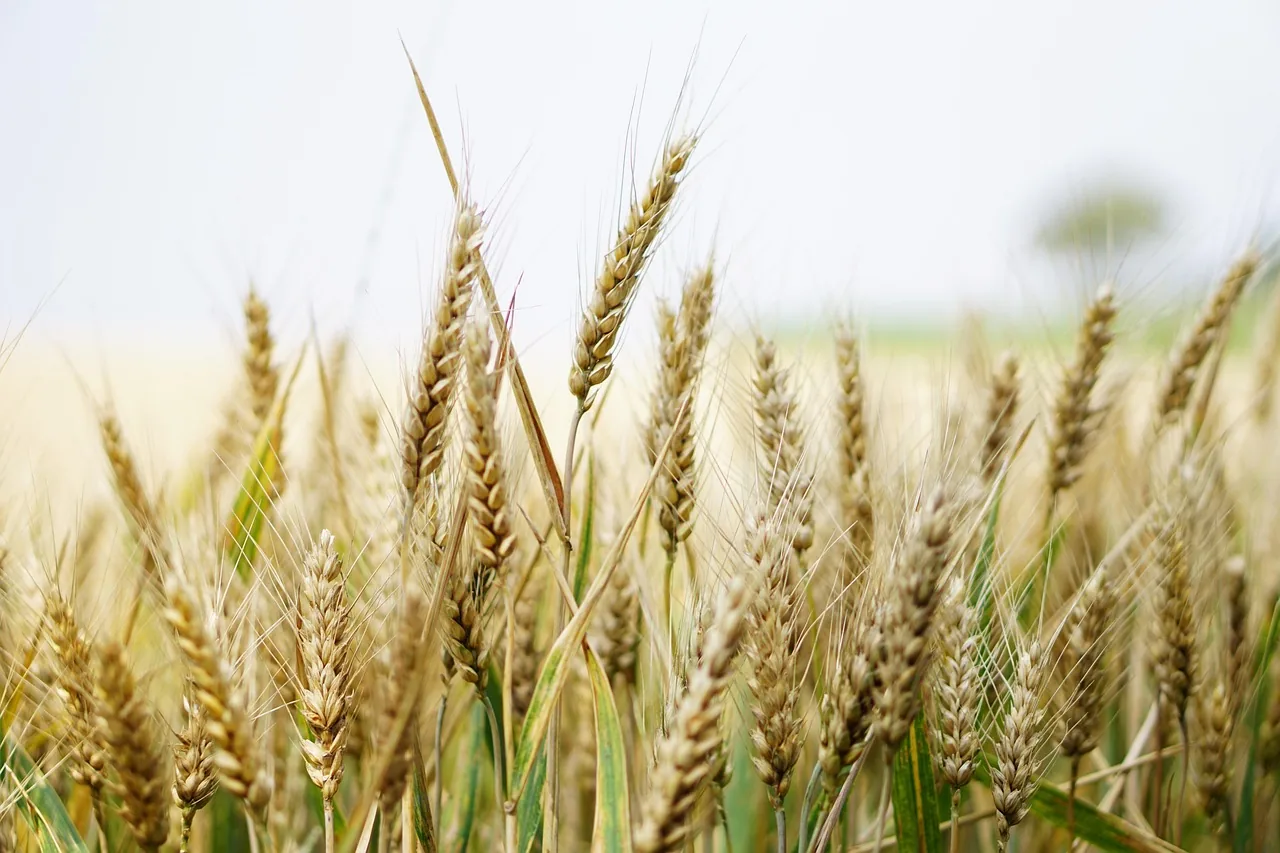
The grain that dies to bear fruit: an image of the Resurrection
The parable of the grain fallen into the earth (John 12:24) illustrates transformation through sacrifice. Like the seed, Christ gives his life for an abundant harvest.
Saint Irenaeus saw in it a divine cycle: “Death becomes a source of life”. This principle still guides the spirituality of Lent.
Interpretations by the Fathers of the Church
Saint Cyril of Alexandria compares Christ to a sheaf of firstfruits. For him, the resurrection is a cosmic rebirth.
Irenaeus of Lyon emphasizes the Eucharist:
“The grain becomes the body of Christ through the Word”
. This vision still nourishes the liturgy today.
The link with the Eucharist and Christ’s sacrifice
Bread, made from wheat, embodies the unity of believers. As the history of bread symbolism reminds us, every host tells of this total gift.
Benedict XVI stressed: “The fruitful death of the grain prefigures redeeming love”. A teaching that resonates especially during Holy Week.
How to live the message of “Grain of Wheat” today
Living according to the spirit of the grain involves a radical choice of surrender. As John Paul II recalled, illness or trials can become paths of fruitfulness. His witness shows how death to oneself can bring forth a richer life.
Saint Claude La Colombiere recommended daily renunciations. These ascetic “little deaths,” as Francis de Sales called them, transform our routines into offerings. Here are three ways to practice them:
| Method | Approach | Result |
|---|---|---|
| Ignatian offering | Consecrating every action to the Lord | Union with the divine will |
| Salesian asceticism | Accepting setbacks with peace | Gentle growth |
| Eucharistic prayer | Being nourished by the fruit of the Cross | Inner transformation |
Bernanos emphasized that the saints shine through their humanity, not through heroism. A person who offers up fatigue or doubts is already taking part in the mystery of the grain. The liturgy, like liturgical song, accompanies this path.
In a time of crisis, these practices reveal their power. The present world thirsts for meaning: the message of wheat answers that hunger. Like the grain fallen into the earth, our sacrifices bear invisible but real fruit.
Conclusion: meditating on the mystery of the grain fallen into the earth
This agricultural symbol illuminates our spiritual path. As John 12:24 reminds us, giving one’s life makes it possible to bear fruit. Rousseau compared this truth to the wisdom of Socrates.
During this holy week, let us take a moment of silence. Let us trace the sign of the cross over ourselves. The prayer “May your grace obtain for us…” sums up this call to conversion.
Let us reread our lives in the light of this mystery. Every trial can become a seed of love. Let us take part in the celebrations of the Triduum in order to live its meaning fully.
As ground wheat becomes bread, let us offer ourselves for communion. May we, in turn, fall into fertile earth. Daily meditation with “My Prayer” can help us do so.
FAQ
What is the main message of the song "Grain of Wheat"?
Where is the biblical passage that inspires this song found?
Why do the Fathers of the Church associate this symbol with the Eucharist?
How can this spirituality be applied in daily life?
Is this song often used during Lent?
Source Links
- John 12:20-33 and the grain of wheat
- Reflection on John 12 and Holy Week
- Commentary on John 12:24
- John 12 and the road to glory
- Study resource on the grain of wheat image
- Christian vanitas and meditation on mortality
- Resurrection and the Paschal mystery
- Good Friday and Holy Week resource
- Christian formation for Good Friday
- Meditation on the Cross of Jesus Christ