
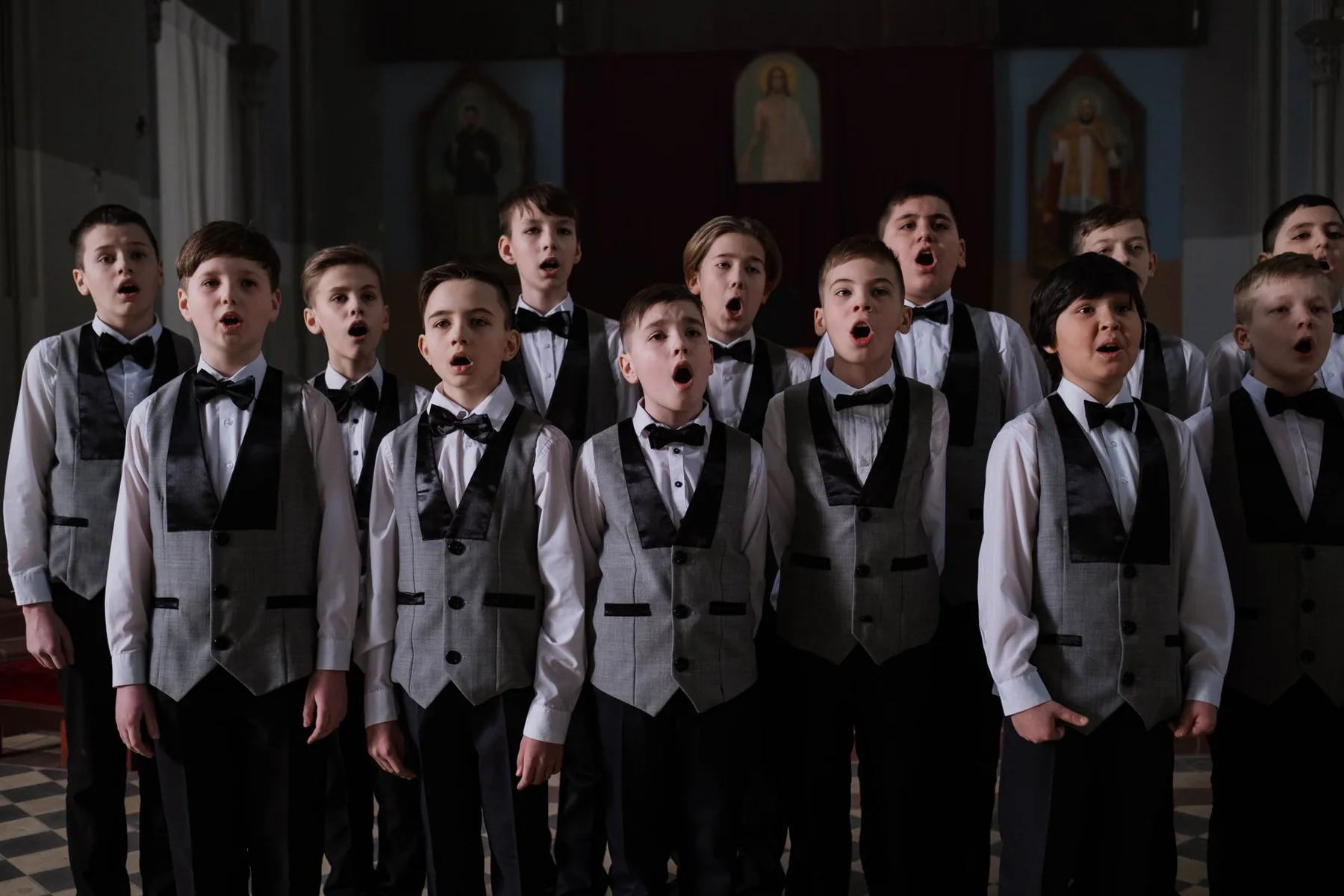
For centuries, the Catholic tradition has used hymns in Latin to celebrate the faith. These sacred melodies, such as the Magnificat or the Veni Creator, carry a unique spiritual depth.
Their vocal simplicity and monodic structure strengthen their sacred character. Inspired by Byzantine modes, they appear in three styles: syllabic, ornate, and melismatic.
To make them easier to learn, practical resources exist, such as scores and recordings. These works, published by recognized sources, help perpetuate this heritage.
Discover their history, liturgical use, and translation in order to appreciate them more fully.
Introduction to Religious Chants in Latin
The Latin language holds a unique place in spiritual history. It unites the faithful across borders and ages.
Latin, the Sacred Language of the Church
Used since the Council of Trent, Latin remains present in many Catholic dioceses. The French Bishops’ Conference confirms this continuity.
Three reasons explain this permanence:
- A direct link with the original texts
- Uniformity in celebrations
- The intact transmission of Tradition
Benedict XVI emphasized in Sacramentum Caritatis:
“Gregorian chant retains a paradigmatic value for liturgical prayer.”
Why Sing in Latin Today?
A 2022 IFOP study reveals a surprising fact: many young practicing Catholics prefer Masses that partly use this language. The Emmanuel Community bears witness to this renewal.
| Advantage | Impact |
|---|---|
| Universality | Creates a bond between cultures |
| Stability | Preserves the original meaning |
| Beauty | Raises the soul toward the divine |
To go further, discover the complete liturgical resources approved by ecclesiastical authorities.
The Salve Regina, with many recordings since 1950, shows this vitality. A distinctive peace emanates from these timeless works.
Religious Chants in Latin: List and Translations
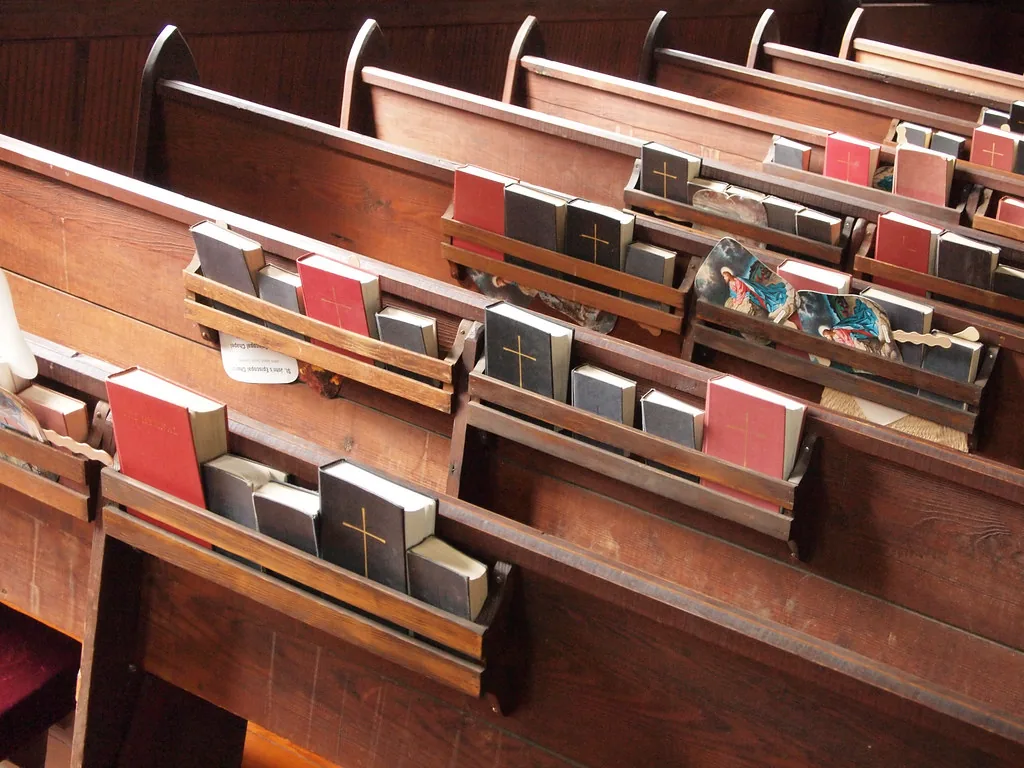
The practice of sacred chant calls for method and suitable resources. Whether you are a beginner or an expert, tools exist to guide you.
Techniques for Memorizing and Pronouncing
Divide the texts into short sections. This approach, often called “divide and conquer,” makes learning easier.
Ecclesiastical Latin differs from Classical Latin. For example, “c” is pronounced “ch” before e or i, as in ecce.
Where Can You Find the Scores?
The site Chants de France offers free scores. Solesmes publishes authentic neumes.
| Source | Resource type | Access |
|---|---|---|
| Bibliothèque du Saulchoir | Medieval manuscripts | By appointment |
| Maîtrise de Notre-Dame | Educational recordings | Online |
| Solesmes | Liturgical books | Religious bookstores |
Video tutorials are available for deciphering ancient notation. They explain the symbols step by step.
These works, such as the Te Deum, enrich spiritual life. Their beauty transcends the centuries.
Marian Hymns in Latin
The melodies dedicated to the Virgin Mary transcend the ages with unique grace. These hymns, bearers of peace, touch the soul of the faithful through their beauty and theological depth.
Salve Regina: Hymn to the Virgin Mary
The Salve Regina embodies divine mercy. Its words, such as “Mater misericordiæ”, evoke the light of hope. Sister Marie-Keyrouz highlights its soothing power in times of trial.
Three Marian titles are exalted in it:
- Queen (Regina)
- Mother of mercy
- Advocate of sinners
Ave Maria: The Universal Prayer
Schubert’s Ave Maria rests on the official Latin text. Unlike Gregorian versions, its polyphonic melody heightens the emotion. Discover other prayers to Mary to enrich your devotion.
Regina Caeli: Easter Chant
Sung from Holy Saturday to Pentecost, the Regina Caeli celebrates the Resurrection. Uniate churches in France integrate Byzantine rituals into it, blending Eastern and Western traditions.
The Chants of the Mass in Latin
At the heart of the liturgy, three sung prayers structure the Eucharistic celebration. Their simple melody and sacred text create a unique atmosphere of recollection.
Gloria in excelsis Deo
This hymn of glory draws its origins from the Gospel of Luke. The angels proclaim it at the Nativity: “Gloria in altissimis Deo”.
Its Trinitarian structure evokes:
- Praise of the Father
- Adoration of the Son
- Invocation of the Spirit
Pope Benedict XVI emphasized:
“The Gloria opens liturgical prayer like a rising sun.”
Sanctus
The Sanctus VIII from the Mass of the Angels remains one of the most widely sung settings in France. Its text is directly inspired by Isaiah 6:3: “Sanctus, Sanctus, Sanctus Dominus”.
Three musical characteristics:
- An ascending melody on “Hosanna”
- A symbolic triple rhythm
- Ornate neumes in the manuscripts
Agnus Dei
Present in 9th-century manuscripts, this chant closes the Eucharistic prayer. Its invocation “miserere nobis” still resonates in many French parishes.
Comparison of versions:
| Latin | Vernacular |
|---|---|
| Agnus Dei | Lamb of God |
| Gregorian structure | Modern harmonies |
These melodies, carried by centuries of tradition, continue to raise souls toward the divine.
Psalms and Canticles in Latin
Psalms and canticles in Latin have resounded for millennia in sacred places. These texts, inspired by Scripture, form the heart of Christian prayer.
Magnificat: The Canticle of Mary
The Magnificat has held a central place in the office of Vespers since the 6th century. This Marian chant, drawn from the Gospel, expresses the Virgin’s joy before the wonders of the Lord.
Its performance often follows the principle of antiphony:
- Alternation between soloist and assembly
- Choral response to the verses
- Use of specific antiphons
The composer Michel Godard created a jazz version of it, showing the adaptability of this sacred text. To learn more about these traditions, consult this historical analysis.
Te Deum: Hymn of Praise
The Te Deum glorifies the Lord on great occasions. At Notre-Dame de Paris, it has marked national events such as the Liberation in 1944.
Its Trinitarian structure evokes:
- Divine majesty
- Christ the Redeemer
- The hope of believers
“We praise you, O God; we acknowledge you as Lord.”
This hymn, sung at daybreak in monasteries, unites the whole Church in one praise. Latin psalms thus continue to nourish spiritual life day after day.
The Importance of Latin Chants in the Liturgy
Sacred chant in Latin has shaped liturgical identity for two millennia. Even today, it unites the faithful in one prayer, transcending cultural borders.
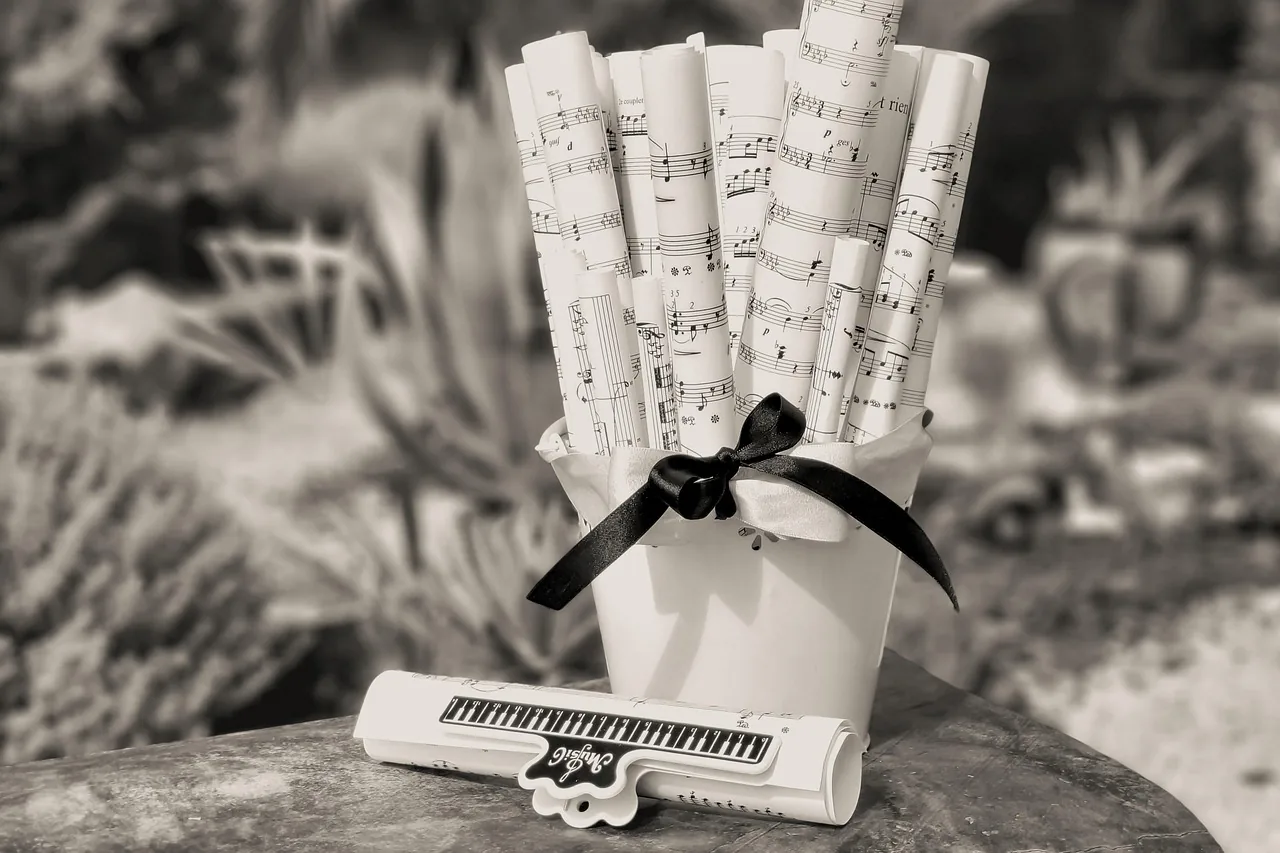
Many French seminarians study Gregorian chant, according to seminary traditions. This formation nourishes their spiritual and pastoral life.
Pius X emphasized in Tra le Sollecitudini:
“Sacred music must possess, in the highest degree, the qualities proper to the liturgy.”
Three unifying strengths:
- A common language for the whole Church
- Rhythms suited to prayer
- Melodies that carry peace
During World Youth Day 1997, hundreds of thousands of young people sang the Sanctus together. That moment shows the gathering power of these melodies.
Comparison with other traditions:
| Tradition | Characteristic |
|---|---|
| Orthodox | Byzantine chant in eight tones |
| Anglican | Polyphonic harmonies |
Cardinal Sarah testifies: “These chants touch the heart more than words.” They form a bulwark against secularization.
The Ecclesia Dei Commission has prepared new projects. They will allow brothers of every generation to rediscover this treasure.
Conclusion
This unique musical heritage carries a divine light through the centuries. The Vatican repertory contains a vast body of authentic melodies, while many French Catholics wish to preserve them. These works raise the soul and maintain a living link with tradition.
Transmission happens through choir schools and resources, such as courses at the Collège des Bernardins. The next World Day of Sacred Chant will be an opportunity to celebrate this spiritual life.
- Gregorian workshops for all levels
- Concerts in cathedrals
- Teaching manuals in open access
As Saint Augustine said: “Qui cantat bis orat”. These melodies are a mercy for our time, an echo of eternal beauty.
FAQ
Why is Latin used in religious hymns?
Where can I find scores for these prayers?
How do I pronounce the Latin words correctly?
Which are the most popular hymns dedicated to the Virgin Mary?
Are Latin chants still used in modern Masses?
Are there English translations of these hymns?
Is the Te Deum reserved for special occasions?
Source Links
- https://en.gregorianum.org/index.php?mobileaction=toggle_view_desktop&title=Main_Page
- https://www.ewtn.com/catholicism/answers/latin-ecclesiastical-24788
- https://en.wikipedia.org/wiki/Gregorian_chant
- https://www.ncregister.com/blog/after-pentecost-we-sing-and-pray-the-salve-regina
- https://www.catholic.org/prayers/prayer.php?p=186
- https://saintpaulseminary.org/general/how-important-is-music-during-the-catholic-mass/
- https://gdweber.org/scsg/text-ord.html
- https://hymnary.org/
- https://www.churchofengland.org/prayer-and-worship/worship-texts-and-resources/common-worship/common-material/canticles-main-volume
- https://en.wikipedia.org/wiki/Ecclesiastical_Latin
- https://www.usccb.org/prayer-and-worship/the-mass/roman-missal
- https://www.usccb.org/prayers/easter-season