
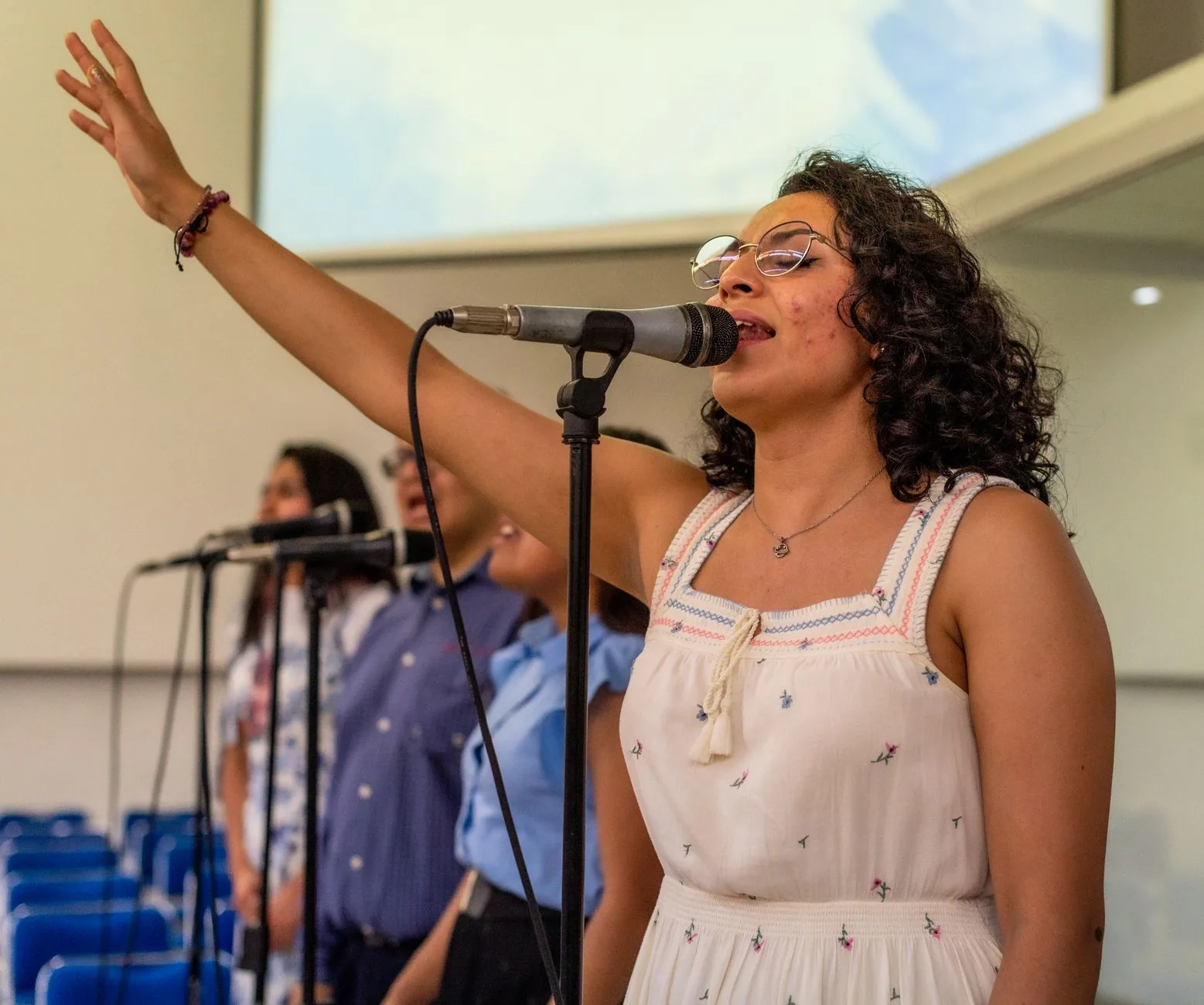
The sacred melodies of Armenia are rooted in a thousand-year history. Carriers of deep spirituality, these musical works have shaped the identity of a people. Since the 4th century, they have accompanied ceremonies and key moments in life.
From monks to modern choirs, oral transmission has preserved this heritage. Vertanès Oulouhodjian, with the AKN choir, helped immortalize these unique harmonies. Their recording in Venice remains a reference.
Today, ensembles such as the Gomidas Choir keep this tradition alive. Their work highlights the bond between music and collective memory. These interpretations continue to move listeners around the world.
The Sacred Roots of Armenian Religious Chants
The earliest evidence of these sacred melodies dates back to the 5th century, with manuscripts annotated in khaz notation. This unique system made it possible to transcribe vocal nuances, thereby preserving an intangible heritage.
The Liturgical Heritage Since Antiquity
Armenian monks developed eight distinct liturgical modes. Each mode expresses a specific spiritual emotion, as Aram Kérovpyan demonstrates in his analyses. These vocal techniques, passed down orally, require exceptional mastery.
| Liturgical mode | Characteristic | Use |
|---|---|---|
| 1st mode | Solemnity | Morning psalms |
| 4th mode | Meditation | Evening prayers |
| 8th mode | Joy | Easter celebrations |
The Role of the Mekhitarist Fathers in Preservation
Established on the island of San Lazzaro in 1717, the Mekhitarists saved countless scores. Their work culminated in the 2006 AKN CD recording, directed by Vertanès Oulouhodjian. This disc remains a reference for students of sacred music.
Today, these recordings serve as an educational foundation. They show how a tradition can survive through passion and rigor.
Armenian Religious Chants: Faith and Culture Through Their Interpreters
The transmission of these works depends on major figures in the musical landscape. Their work builds a bridge between medieval traditions and contemporary stages.

Vertanès Oulouhodjian and Vocal Transmission
This choir master renewed the teaching of ancient melodies. His educational method combines historical rigor with adapted vocal techniques.
He emphasizes the exact pronunciation of liturgical texts. “Every syllable carries a spiritual intention”, he explains during his masterclasses.
The Gomidas Choir: A Bridge Between Tradition and Modernity
Founded in tribute to Komitas Vartabed, this 50-member ensemble blends sacred repertoire with contemporary creations. Their 2023 concert at La Chaise-Dieu highlighted:
- 15 pieces, including the ode Nor Dzaghig, a symbol of rebirth
- A collaboration with pianist Lyuba Zhecheva
- Support for L’Œuvre d’Orient to preserve this heritage
Shushan Arakelian and the Revival of Sacred Melodies
Trained at the Komitas Conservatory in Yerevan, this choir conductor embodies the new generation. Her approach brings together:
- Traditional overtone singing
- Resolutely modern piano arrangements
Under her direction, sacred music is reaching an international audience while remaining rooted in its origins.
Between Sacred and Secular: The Diversity of the Repertoire
Armenia reveals a musical richness in which the sacred and the secular intertwine harmoniously. From churches to public squares, these melodies carry both prayers and popular stories.
Liturgical Hymns and Odes to the Resurrection
Works such as Sbassoum or Khengui Dzarin embody Marian fervor. Their symbolism draws on 12th-century texts, including those of Nerses Shnorhali.
The requiem Keta Der contrasts with the opera Ambi Daguitz. The first evokes mourning, the second celebrates life. Yet both use the duduk, an ancestral instrument.
| Piece | Theme | Instrumentation |
|---|---|---|
| Hazaratev Hayasdan | Homage to the victims | A cappella choir |
| Sardarabad | Patriotism | Duduk and drum |
| Naro Djan | Secular love | Piano and voice |
Patriotic Songs and Secular Works
After the genocide, compositions such as Erevan Erebouni united the people. Their political role is still studied in universities.
Parsegh Ganatchian left his mark on history with Naro Djan. This love song, far from the churches, shows the adaptability of Armenian music.
Conclusion: A Living Heritage to Celebrate
This musical heritage continues to resonate at the heart of modern generations. From Venice to La Chaise-Dieu, recent recordings and concerts prove its lasting impact. L’Œuvre d’Orient, active for 170 years, symbolizes this uninterrupted transmission.
Armenian culture is now enriched by the work of Shushan Arakelian and young talents. Their creations blend tradition and innovation, ensuring a dynamic renewal.
Support these initiatives by discovering the Orthodoxie podcasts or upcoming concerts. Every participation helps write the future of this vocal treasure.
FAQ
What is the origin of Armenian religious chants?
Who are the major figures in this musical tradition?
What types of works make up this repertoire?
How are these chants performed today?
Why do these melodies remain important?
Source Links
- https://akn-chant.org/en/modes
- https://en.armradio.am/2015/03/04/how-komitas-preserved-armenian-folk-music/
- https://www.allmusic.com/artist/soghomon-soghomonian-mn0001242323
- https://www.vatican.va/content/john-paul-ii/en/apost_letters/2001/documents/hf_jp-ii_apl_20010217_battesimo-armenia.html
- https://sfi.usc.edu/news/2022/10/34031-armenian-scholar-finds-lost-songs-usc-shoah-foundations-visual-history-archive