

Goal: this guide explains in simple terms how to cleanse and recharge your stones using the sound of a Tibetan singing bowl. The approach remains accessible to beginners and regular practitioners alike.
You will learn how to prepare your materials, the gesture for making the singing bowl sing, the right duration, the direction of rotation, and how to close the session in silence.
We also cover the “when” and the “how to choose” (size, tone, materials) so you can avoid mistakes that reduce effectiveness.
Responsible framework: lithotherapy is aimed at well-being. It is not medical care.
The progression is clear: understand why, identify the right moments, choose the right instrument, master the gesture, then follow the step-by-step method. For more practical details, see this useful link: practical guide.
Why purify and recharge your stones in lithotherapy with the vibrations of a singing bowl
Crystals can sometimes absorb charges after prolonged use. Over time, this saturation can create the impression of a loss of effect and a drop in their energy.
The maintenance logic remains simple: the first phase consists of removing energetic impurities; the second aims to restore positive energy. Separating these two gestures helps you better understand the result.
Vibrations act like a resonance in the air: they are not magical, but they help disperse unwanted charges. The goal is a steady resonance that “cleanses” without jolting the material.
Sensory markers: a clearer sound, a calmer atmosphere, a feeling of stability in meditation. These signs often indicate that the purification has produced its effect.
The main benefit lies in the double role: quick cleansing followed by recharging, whereas other practices require two separate stages. To go deeper into the practice and the gestures, see this practical guide.
Caution: these approaches belong to well-being practices and energetic beliefs. They do not replace medical advice.
When to use a Tibetan bowl to purify and recharge stones, bracelets, and pendulums
Knowing when to sound the instrument helps preserve the energetic effectiveness of minerals.
Recommended rhythm: aim for a weekly session if the object is worn or used often. If it is used lightly, once a month is enough. In cases of intensive use, choose a closer frequency.
Signs to listen for: felt fatigue, a “heavy” sensation from the stone, less stable meditation. If any of these signs appears, it is time to purify and recharge.
Priority situations
- New acquisition (new or second-hand): systematic purification.
- Loan or exchange: cleanse before and after.
- Emotional trial or painful period: immediate session recommended.
- Energy work: purify and recharge after a protocol to clear charges.
- Bracelets, pendulums, and other accessories containing minerals: the same rules apply as for stones.
| Situation | Recommended frequency | Quick action |
|---|---|---|
| Daily use | Once a week | Brief session (3-5 min) |
| Occasional use | Once a month | Standard session (5-10 min) |
| After energy work or a loan | Immediate | Targeted cleansing, then recharging |
| Disturbed meditation | As needed | Check and repeat the session |
Mini-check: if the stone has been touched by others, worn for a long time, used in energy work, or if meditation feels disturbed, purify and recharge it. After this “when” section, we will see how to choose the bowl and the technique so that maintenance becomes a simple routine. For an additional practical resource, see this article.
Choosing the right Tibetan singing bowl for effective stone purification
A good instrument produces clear sounds that make work with crystals easier.
Size and tone. For energetic cleansing, small models (about 15 cm) produce higher frequencies. These sounds often cut through unwanted charges more effectively. A larger diameter is not always better for crystals.
Simple buying criterion: choose an object that “sings” easily. Look for a stable timbre and long resonance rather than a purely decorative model.
Types of materials: alloy vs crystal
Quartz crystal bowls are suitable. However, many users prefer metal alloy bowls. They offer harmonic richness and an often more noticeable vibrational sensation.
- Metal alloy: rich sound, good resonance sustain.
- Quartz: pure sound, useful depending on personal sensitivity.
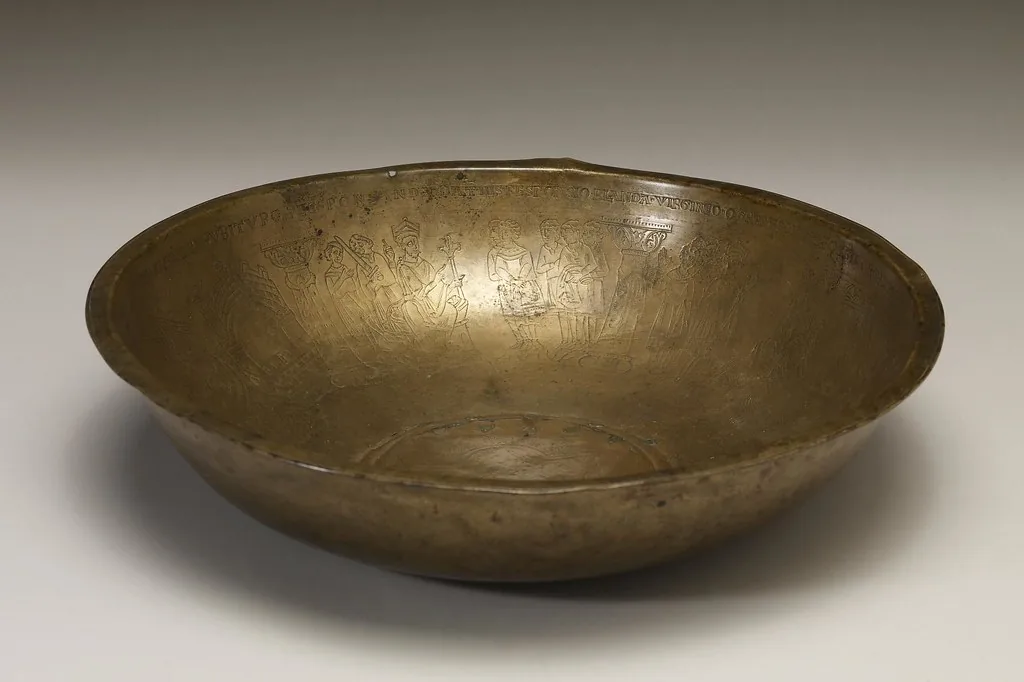
- Hand-hammered artisanal bowl: small imperfections = a sign of authenticity, not a usage defect.
| Characteristic | Small bowl (~15 cm) | Large bowl |
|---|---|---|
| Sound | Higher-pitched, cleansing | Deeper, enveloping |
| Use for minerals | Direct (stone in the bowl) | Around the bowl |
| Material | Metal alloy recommended | Quartz possible, but different |
Finally, once the object has been chosen, optimize the setup (hand, cushion, cloth) to obtain a steady vibration. For practical advice on buying and using a Tibetan singing bowl, see this guide.
Preparing the space and materials before purification with a Tibetan bowl
Before any session, organize a calm, stable space to make the practice easier.
Set up the bowl and choose the surface
Choose a flat, quiet surface. Place the bowl on a dedicated cushion or a clean cloth to prevent it from slipping.
You can also hold the bowl flat on your hand to let the vibration spread more freely.
The equipment and its adjustment
Prepare a suitable mallet and, if needed, a striker. Hold the mallet like a pen; the striker should remain firm but flexible.
Aim for constant pressure and a slow rhythm. A relaxed posture helps maintain the sound without jolts.
Practical organization and a small tip
Place the objects nearby on a clean fabric so you can move through them quickly and preserve concentration.
Tip: set aside the necessary time before you begin. A good setup makes learning the gesture easier. The next section shows how to make the bowl sing reliably.
Learning to make a Tibetan bowl sing: the gesture that changes everything
The secret of a good sound often lies in a precise, controlled movement. This gesture breaks down into two clear stages: a clean impulse, then regular rubbing around the rim.
Give the impulse
Strike the rim with a sharp but controlled tap to launch the resonance. The impact should be short; avoid heavy blows that distort the timbre.
Make it sing
Hold the mallet like a pen and guide it around the outer rim in a smooth rotation. Look for a path without jolts, often clockwise, so the sound gradually amplifies.
Avoiding blocks
If the sound “squeaks” or cuts out, slow the rotation and reduce the pressure. Check that the hand holding the bowl remains flat; tilting it or gripping it too tightly blocks the vibrations.
Desired effect: a stable, continuous vibration, audible and sometimes perceptible to the touch. These vibrations are then used for the energetic practice.
Mini-routine: practice for a few minutes without stones to make the gesture automatic. Once the sound is stable, guided use becomes simple and regular.
Purifying your stones with a Tibetan bowl: step-by-step method
The placement of the crystal often conditions the effect of the vibrations. Choose to place the stone in the center if its size and shape allow it. For fragile or bulky minerals, place them nearby on the fabric around the bowl.
Key gesture: after the initial strike, make the instrument sing clockwise. Aim for about 20 seconds per stone to avoid over-stimulation.
Closing the cycle
Finish each session with one final sharp strike. Let the sound fade completely before removing the stone. This silence marks the end of the cycle.
Organizing the sequence
Group objects by family (color, use, size) to save time. Estimate the total time: number of stones x ~20 s, plus 5-10 s of fading per item.
| Action | Indicative duration | Practical advice |
|---|---|---|
| Placement | 10-20 s | Center or around, depending on fragility |
| Clockwise vibration | ~20 s / stone | Steady rhythm, pay attention to breathing |
| Closing | 5-10 s | Final strike, wait for silence |
Intention: keep calm attention and slow breathing during the rotation. A positive wish or brief intention often helps you feel the recharging.
Safe variation for large bowls: purify and recharge without cracking minerals
Large bowls often produce stronger resonance. This power can become risky for certain fragile stones.
Why some stones crack under strong vibrations
A large-diameter instrument creates intense, concentrated vibrations. Depending on their hardness and structure, layered or fragile minerals can crack.
“Around the bowl” technique: setup and duration
Simple criterion: if the bowl is larger than ~15 cm or if the stone seems fragile, avoid placing it inside the vessel.
- Place the bowl on a cushion or clean cloth to stabilize it.
- Arrange the crystals all around it, a few centimeters away, without direct contact.
- Make it sing for about one minute, keeping a smooth rotation to obtain diffuse vibrations.
Benefit: this method reduces direct intensity while preserving the overall effect. You protect the material and can purify and recharge several objects without damaging them.
Final goal: remove a heavy charge and encourage a lighter feeling while maintaining positive energy.
Purifying several stones and pieces of jewelry at the same time: bracelets, necklaces, and compatibility
It is possible to treat several small items together. If the pieces are small and the bowl has enough space, you save time without sacrificing effectiveness.
When to group them
Group them if the stones fit comfortably inside the vessel and if they do not knock against one another too much. Bracelets, light necklaces, and small tumbled stones work well.
Avoiding risky combinations
Some practitioners prefer not to mix minerals with opposing intentions. If in doubt, proceed as follows:
- Place only one type at a time.
- Or do two separate passes to remain cautious.
- Stabilize bracelets: slight movement is normal, but avoid impacts.
Practical organization: sort by family (quartz together, obsidian together) or by jewelry type. This makes use easier and limits mistakes.
| Situation | Recommended action | Note |
|---|---|---|
| Several small stones | Group them | Check that they do not knock into each other |
| Bracelets & necklaces | Group if stable | Watch the movement |
| Incompatibility case | Separate | Do two passes |
Reminder: the goal is to simplify the routine. If you hesitate, choose safety and cleanse/recharge each stone separately for better results.
Common mistakes and best practices for maximizing positive energy after purification
Small mistakes during the session often reduce the real impact of energetic maintenance. Keep in mind that the gesture, frequency, and attention matter as much as the instrument.
Confusing physical cleaning with energetic purification
Material cleaning: removing dust and marks with a cloth. Purification: removing charges and recovering a good feeling. Confusing the two leads to unrealistic expectations.
Forgetting intention, regularity, and the final silence
Set a short intention before making the bowl sing. Breathe calmly and keep the sound regular (constant pressure and speed).
Waiting for the sound to fade completely before removing the stone is essential: silence completes the cycle and often seals the felt effect.
Over-purifying or handling poorly: preserving the object and the material
Avoid excessive sessions; a weekly rhythm for frequent use or monthly rhythm for occasional use is enough.
- Do not strike too hard or too fast.
- Keep the vessel flat on your hand or on a cushion.
- For large instruments or fragile minerals, place the items around rather than inside.
If in doubt, favor gentleness, regularity, and listening: these best practices strengthen positive energy without risking damage to the object.
Conclusion
To sum up, keep a simple routine: place the stone in the vessel, or around it if it is fragile, make it sing steadily, then finish with one final strike and wait for silence to seal the recharging.
Act after a purchase, a loan, an emotional period, or as soon as the feeling becomes heavy in meditation. These triggers keep the practice coherent.
For effectiveness, favor a stable sound, a good setup, and clear durations (about 20 s directly, about 1 min around). The small bowl (~15 cm) is often practical; large instruments require the diffuse technique.
Plan a weekly or monthly rhythm, sort your crystals to save time, and test calmly. This guide is intended for well-being: adapt the method to how you feel and practice responsibly.