
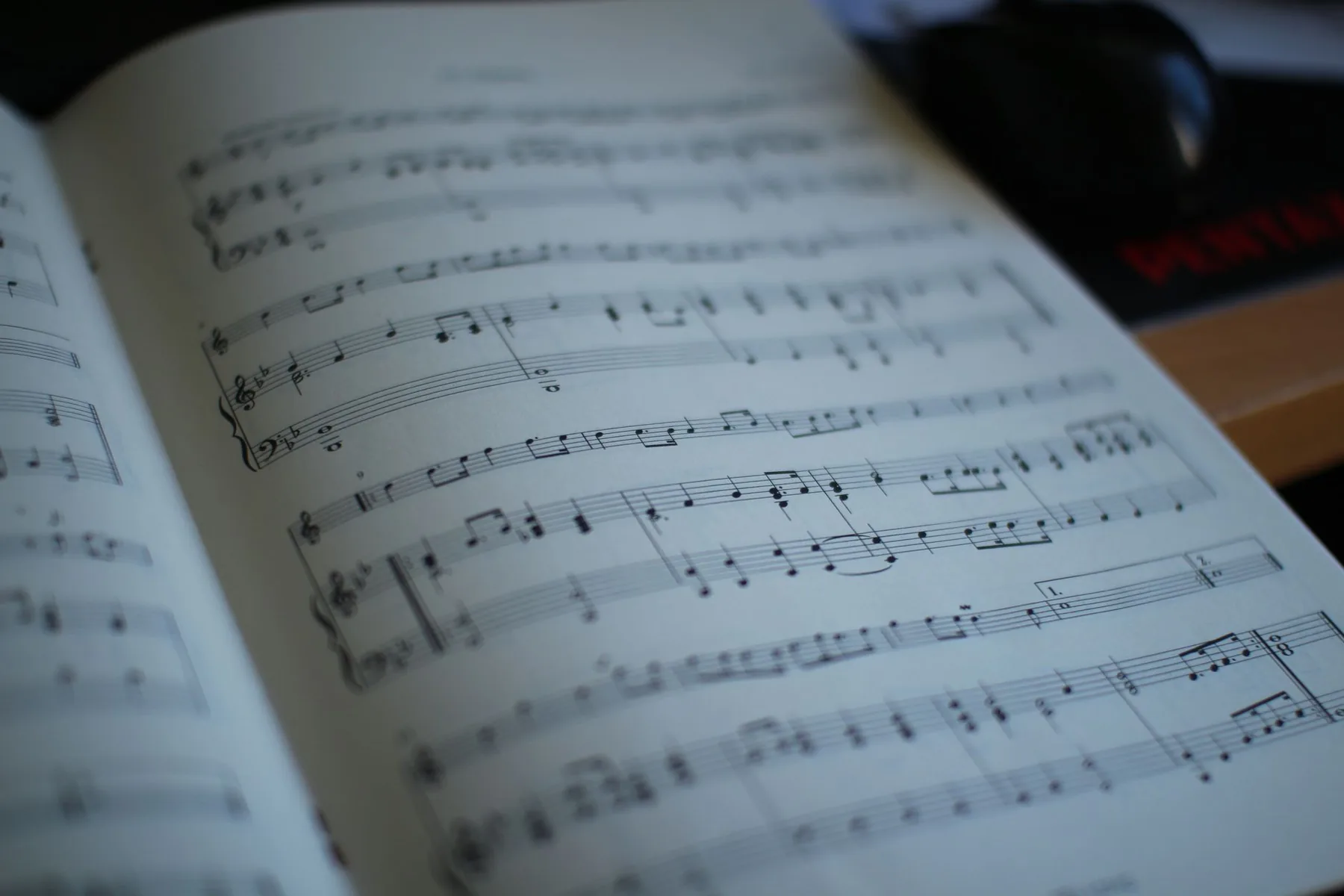
Sacred melodies hold a central place in the spiritual life of communities. They accompany moments of prayer, praise, and meditation, creating a deep bond between the faithful and the Lord.
Whether for a Sunday Mass, a sacrament, or an important liturgical season, these scores offer a musical light suited to every occasion. Works such as Je t’ai appelé par ton nom or Que chante pour toi illustrate this diversity.
These resources, available in printable format, make them easier for choirs and congregations to use. They include biblical texts and reflect the richness of Francophone spirituality, bringing joy and fervor to celebrations.
Discover practical examples and useful resources to enrich your times of worship here.
Introduction to Catholic Religious Songs
For centuries, sacred music has guided the faithful on their spiritual path. It unites generations, from medieval monasteries to modern congregations, carrying faith through every note.
In the Church, these melodies are not mere accompaniment. They embody collective prayer, as emphasized by the post-Vatican II directives. Vernacular languages, including French, have enriched this heritage.
Groups such as the Emmanuel Community show how the biblical word can harmonize with contemporary rhythms. Psalm 23 (The Lord is my shepherd) is a vibrant example.
The evolution is striking: from the Gregorian polyphonies of Keur Moussa Abbey to today’s Mass settings. Yet the essence remains the same: lifting hearts toward the divine.
At diocesan gatherings, this spiritual impact is felt intensely. United voices create an invisible but tangible communion, strengthening the bonds between believers.
Why Print Religious Songs?
Printed scores provide valuable stability in sacred musical practice. They become an essential tool for choirs and the faithful, away from technological uncertainty.
Benefits of Printable Scores
Available at any time, they allow accessibility without depending on a screen. Choir members can annotate melodies to adapt local nuances, as in the Messe du Frat 2017.
Downloadable sheets, such as those from Cœurs en Chœur, simplify rehearsal management. A musical heritage is passed on in this way, strengthening the force of traditions.
Use in Parish Celebrations
On a celebration day, these physical resources unite voices without distraction. Choir members can turn pages easily, as with Gloire à ton nom.
They also preserve unique arrangements, witnesses to the heritage of the Francophone world. A tangible resource for future generations.
Catholic Religious Songs in French to Print for Mass
Catholic liturgy flourishes through melodies that shape every celebration. These printable works become essential tools for congregations, combining tradition and modernity.
Ordinaries of the Mass (Kyrie, Gloria, Sanctus)
The ordinaries structure the celebration. The Gloria from the Messe d’Emmaüs (L. Grzybowski) is a vibrant example. These texts, often in Latin and French, unite the faithful in shared praise.
The Sanctus, with its acclamations, lifts hearts toward the divine. Adaptations for alto saxophone sometimes enrich these pieces.
Entrance and Processional Songs
Hymns such as Bondissez ! (Glorious) open celebrations with joy. They guide processions, creating a bond between the congregation and the altar.
Ouvre mes yeux (Emmanuel) embodies this movement, inviting contemplation. The words, inspired by Scripture, touch the eyes of the soul.
Communion Songs
The Eucharist is accompanied by melodies such as Le pain dans nos mains (N. Colombier). The bread, symbol of life, is celebrated there with fervor.
Other works, such as Venez approchez-vous (D. Sciaky), recall the invitation of the Father. These printed scores encourage active participation.
Psalms and Biblical Acclamations
The psalms resonate like a universal prayer across the centuries. They express joy, supplication, or praise, reflecting every human emotion before God. These texts, often set to music, nourish the spiritual life of communities.
Popular Psalms: A Voice for All
Psalm 23 (The Lord is my shepherd) symbolizes absolute trust. Versions such as Grazia Previdi’s (Psalm 102) or Bernard Delattre’s arrangements (Psalm 144) show this diversity.
Two approaches coexist:
- The Gelineau style, spare and close to the biblical text.
- Modern compositions that include contemporary rhythms.
Acclamations: Responding to the Word
The Alléluia Magnificat (Emmanuel Community) marks the reading of the Gospel. These refrains, such as Préparez à travers le désert, shape Advent and Lent.
Their use follows the liturgical calendar, guiding the faithful in their walk toward Christian feasts.
“To sing the psalms is to make the voice of the Church resound through the ages.”
These melodies, available as printable scores, connect the world of yesterday with that of today. They turn words into living prayers.
Songs for Special Liturgical Seasons
Liturgical celebrations are illuminated by melodies suited to each spiritual season. These printable works accompany the faithful in their walk toward the major feasts of the Christian calendar.
Advent and Christmas
Advent calls for contemplation with hymns such as Debout resplendis. These songs evoke waiting and the promised light, as in P. Richard’s Vent qui renouvelle.
At Christmas, orchestrated scores of Minuit chrétien or Il est né le divin enfant resound in churches. They celebrate the Savior’s birth with simplicity and fervor.
Lent and Easter
Lent invites recollection with refrains such as Au désert. Easter bursts with joy through Criez de joie Christ est ressuscité (Emmanuel Community).
Works such as Heureux les cœurs, enriched with orchestrated scores, underline the victory over death. Every note carries the hope of the Resurrection.
Pentecost
The Pentecost Sequence, Glorious version (p. 10), breathes a wind of renewal. It recalls the descent of the Holy Spirit with lively melodies.
These songs, available in printable format, unite congregations in the same movement of faith. They mark the key seasons of the liturgical year.
Songs of Praise and Adoration
Praise lifts hearts toward the divine, creating a deep connection with the Father. These melodies, such as Pour tes merveilles (Emmanuel Community), express gratitude for God’s wonders. They turn every note into living prayer.
The charismatic repertoire includes vibrant hymns such as Abba Père and Comment ne pas te louer. These works often combine Latin and French, enriching liturgical diversity. Praise then becomes a universal language.
Harmonized scores allow complex choirs to perform these songs with precision. Laudato si, inspired by Saint Francis, is a moving example. Every voice, from sopranos to basses, glorifies the Creator.
“To sing is to pray twice.”
These melodies, available in printable formats, encourage congregational participation. They draw the faithful closer to transcendence, uniting voices in the same adoration.
Songs to Mary and Marian Devotions
The figure of the heavenly mother inspires melodies marked by tenderness and fervor. These hymns, such as A. Piraux’s Marie douce lumière, guide the faithful on their spiritual path. They express absolute trust in Marian intercession.
The hymn Chercher avec toi Marie (J.-C. Gianadda) illustrates this intimacy with the mother of Jesus. Its words invite us to walk toward God, hand in hand with the one who said “yes.”
The tradition of Marian vigils is enriched by vibrant scores. Je te salue Marie, Glorious version, is a touching example. These works unite congregations during pilgrimages to Lourdes or La Salette.
“Mary shows us the path toward her Son; every note is one more step toward Him.”
With hands joined, the faithful also take up classics such as the Magnificat. This biblical song, often included in celebrations, glorifies humility and grace.
To explore this repertoire further, discover complete resources in this Marian songbook. These printable scores make it easier to organize prayer times dedicated to Mary.
Songs for Baptism and Other Sacraments
The sacraments mark key stages in the spiritual life of believers. Special melodies accompany these sacred moments, creating an atmosphere of recollection and joy.

Baptism is illuminated by works such as L’eau vive du baptême (M.-A. Rétif/J. Akepsimas). This song evokes the symbolism of water, a purifying element and source of spiritual rebirth.
The repertoire also includes Tu es devenu enfant de Dieu (A. Gouzes). These words celebrate entry into the Christian community, a particularly moving moment for families.
Other sacraments benefit from musical adaptations:
- Weddings with hymns to divine love
- Confirmations with songs about the Holy Spirit
Light and water often return in these texts. They symbolize grace and purification, as in Peuple de lumière.
To discover a complete repertoire, consult this baptism song booklet. These scores help prepare celebrations full of meaning.
“Sacred song unites voices in one faith, turning every sacrament into an unforgettable moment.”
These melodies guide children and adults toward a deeper relationship with God. They transform rites into vibrant spiritual experiences.
Songs for the Universal Prayers
The universal prayers find their echo in melodies that unite hearts. These works, such as O Seigneur écoute-nous (Messe du Frat), carry the supplications of men toward heaven. They turn words into sacred vibrations.
The musical structure of intercessions often follows a clear pattern:
- A repeated refrain (Lord, hear our prayers)
- Verses adapted to the intentions (e.g., For men and for women)
- Three-part harmonizations (Éric Lebrun)
| Type of prayer | Musical example | Liturgical use |
|---|---|---|
| Litanies | Signes Musiques no. 36 | Vespers or penitential seasons |
| Intercessions | Vespers of the Virgin (M. Godard) | Marian celebrations |
These songs align with the papal intentions for peace in the world. They connect the faithful with the global concerns of the Church.
“Sacred music is a bridge between peoples and God.”
Alternating sung and spoken parts, these melodies create a meditative rhythm. They invite active listening and spiritual communion.
Songs for Children and Families
Children discover faith through melodies suited to their age. These works, such as Olivier Vercruysse’s Comme un enfant, capture their attention while transmitting spiritual values. Joy and simplicity are at the heart of these compositions.
For catechesis, an educational repertoire is available. It includes gestures associated with the songs, making learning easier. Movements accompany the words, making every word memorable.
Simplified scores are ideal for beginners. They allow the youngest participants to take an active part in celebrations. Adapted versions of WYD (World Youth Day) songs are also popular.
“Singing with children means sowing seeds of faith in their hearts.”
Families find in these melodies a way to share their spirituality. Whether at home or in church, these songs create unique moments. They strengthen bonds while nourishing spiritual life.
Discover complete resources for leading your gatherings. These materials, available in printable format, are designed to awaken faith in the youngest children.
Traditional and Modern Songs
Sacred music is constantly evolving, blending heritage and innovation. It reflects the diversity of expressions of faith, from ancestral melodies to contemporary rhythms. This richness allows every generation to find its voice in collective prayer.
Timeless Classics
Some works pass through the centuries without losing their power. Peuple de Dieu marche joyeux (D. Rimaud) is one example. Its text, inspired by Scripture, guides the faithful on their spiritual path.
Other pillars of the repertoire:
- The Magnificat, a Marian song with Gregorian harmonies
- Glory to God in the highest, universal liturgical praise
- Psalms such as Psalm 112, a link between Bible and music
Contemporary Compositions
New communities bring a creative wind. The Messe de la Trinité (J.-B. du Jonchay) fuses tradition and modernity. Its approach renews the sacred word without altering its essence.
Three major influences:
- Catholic rock (Emmanuel Community)
- Jazz arrangements (Chemin Neuf)
- Charismatic melodies (Je t’adore)
“True tradition is not the ashes, but the fire handed on.”
These creations prove that faith is expressed in every age. They unite generations around the same spiritual movement, while respecting each person’s sensibilities.
Where Can You Find Free Scores?
The internet is full of resources for downloading scores free of charge. These materials support musical practice in parishes and prayer groups. They are an ideal solution for anyone seeking to enrich a repertoire.
- French dioceses: some publish song sheets online for 2025 Masses.
- Religious communities such as Emmanuel or Chemin Neuf.
- Collaborative platforms specializing in sacred music.
Available formats vary:
- PDFs with lyrics and chords
- ChordPro files for video projection
- Versions adapted for OpenSong
“These resources should be used in a private setting only.”
For protected scores, contact the parishes concerned directly. Some works require prior authorization. This ensures respect for copyright.
In the Mornant area, for example, documents are available on request. This personalized approach makes it possible to obtain resources suited to each celebration.
How to Organize a Song Repertoire
Structuring a sacred music repertoire requires a methodical approach. It makes preparing celebrations throughout the year easier. Effective classification makes it possible to quickly find works suited to each liturgical day.
Start by sorting the scores according to the spiritual seasons. Advent, Christmas, Lent, and Easter have specific melodies. This organization follows the rhythm of the Church and simplifies preparation.
For copyright, always check the legal notices. Some scores, such as those reserved for the Diocese of Mornant, require authorization. Give preference to rights-free resources or pre-established agreements.
Digital tools usefully complement printed materials. Software such as Patacrep helps create personalized songbooks. It allows fonts and layouts to be adjusted.
“A well-organized repertoire is a treasure for any community.”
Finally, remember to update your collection regularly. Add new creations and archive works used less often. This method keeps the repertoire current and relevant.
Conclusion
Sacred music unites believers in the same spiritual fervor. These songs, available in various formats, become precious tools for nourishing communal prayer. They turn every celebration into a moment of shared grace.
Locally, parishes are encouraged to develop their own musical life. The creation of new works enriches the existing heritage. This artistic momentum allows faith to be expressed with authenticity.
Passing these melodies on to younger generations traces a lasting spiritual path. This bridge between ages keeps Christian tradition alive. In this way, every voice helps build the Church of tomorrow.
FAQ
Why print scores for religious songs?
What songs are essential for a Catholic Mass?
Where can I find free scores in French?
How do I choose songs suitable for children?
Can traditional and modern songs be mixed?
Which psalms are most used in liturgy?
How should a repertoire be organized for a liturgical year?
Source Links
- https://www.usccb.org/prolife/holy-hour-life-marriage-and-religious-liberty
- https://www.ocp.org/en-us/mother-mary
- https://musicasacra.com/music-/
- https://www.vatican.va/archive/hist_councils/ii_vatican_council/documents/vat-ii_const_19631204_sacrosanctum-concilium_en.html
- https://www.newadvent.org/cathen/10648a.htm
- https://www.vatican.va/archive/hist_councils/ii_vatican_council/documents/vat-ii_const_19631204_sacrosanctum-concilium_en.html
- https://hymnary.org/
- https://www.pewmissal.com/brand_new/index.php/planning-guide/music-downloads/
- https://www.usccb.org/prayer-and-worship/the-mass/order-of-mass
- https://www.usccb.org/news/2026/sacred-music-must-be-dignified-reflecting-mystery-being-celebrated-pope-says
- https://www.newadvent.org/cathen/10648a.htm
- https://www.ocp.org/en-us/mother-mary
- https://www.ocp.org/en-us/parish-resources
- https://www.usccb.org/prayer-and-worship/the-mass/the-worshiping-assembly-at-mass
- https://www.usccb.org/prayer-and-worship/the-mass/order-of-mass/liturgy-of-the-word/universal-prayer
- https://www.usccb.org/prayer-and-worship/the-mass/order-of-mass/liturgy-of-the-word/universal-prayer
- https://www.ocp.org/en-us/parish-resources
- https://welcomingchildren.catholic.edu/hymns/
- https://www.usccb.org/prayer-worship/liturgical-year
- https://www.ocp.org/en-us/latin-and-chant
- https://www.britannica.com/topic/hymn
- https://www.usccb.org/prayer-and-worship/the-mass/the-worshiping-assembly-at-mass
- https://www.ashleydanyew.com/posts/2016/how-to-organize-your-church-music-library
- https://litpress.org/missals-for-mass/music-planner
- https://www.newadvent.org/cathen/10648a.htm
- https://www.vatican.va/archive/hist_councils/ii_vatican_council/documents/vat-ii_const_19631204_sacrosanctum-concilium_en.html
- https://en.wikipedia.org/wiki/Kalimba