
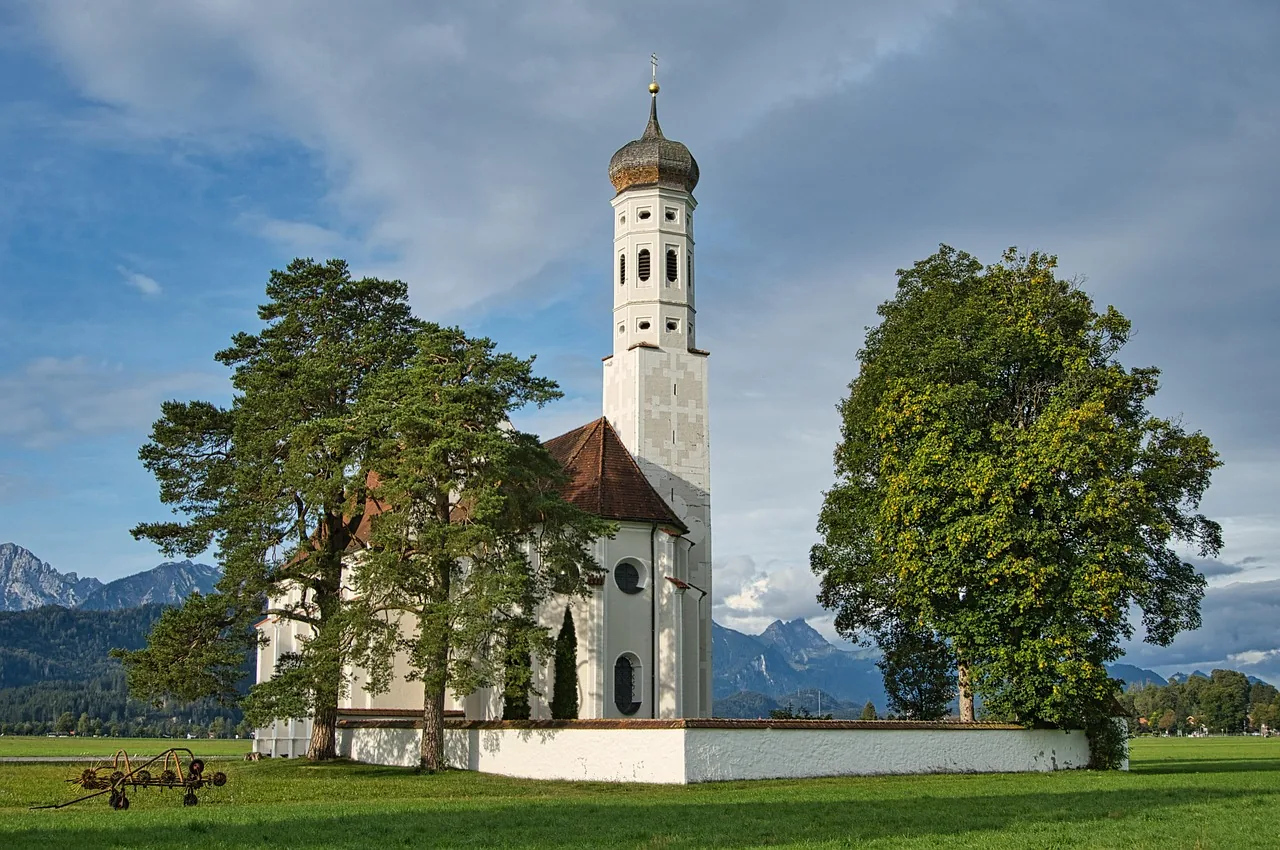
Sacred music holds a profound place in All Saints’ Day celebrations. It unites hearts, soothes souls, and pays emotional tribute to the departed.
In France, these melodies draw on rich traditions, from Latin hymns to modern compositions. Each note carries a unique fervor, strengthening the spiritual bond during this time of remembrance.
We invite you to discover three essential works. These pieces, filled with solemnity and hope, illuminate services and accompany prayerful reflection.
The importance of religious hymns during All Saints’ Day
During this time of remembrance, sacred music plays an essential role. It creates an atmosphere suited to meditation and strengthens the bonds between participants. These melodies, passed down for centuries, carry a unique spiritual depth.
A spiritual bond with the departed
Christian hymns serve as a bridge between the living and those who have left us. The “Requiem”, for example, expresses both sorrow and hope. Its words resonate especially during the feasts dedicated to the memory of the departed.
Gregorian chant, often used during processions, amplifies this feeling of unity. As the Litany of the Saints shows, these melodies unite the community of believers.
“Blessed are the pure in heart: they shall see God!”
Musical tradition in Christian celebrations
Since the Middle Ages, the Catholic Church has integrated music into its rites. This practice has evolved, but it preserves its primary purpose: lifting souls toward the divine.
| Period | Musical style | Notable example |
|---|---|---|
| Middle Ages | Gregorian chant | Sanctus |
| Renaissance | Polyphony | Gloria |
| Modern period | Orchestral compositions | Mozart’s Requiem |
Biblical texts, such as Psalm 23, take on a special dimension when sung. They then become true musical prayers, strengthening the faith of those taking part.
During celebrations, each hymn has its place and meaning. From the “Entrance Antiphon” to the “Acclamation of the Lamb”, they structure worship and guide the faithful in their recollection.
The most beautiful religious hymns for All Saints’ Day
Some musical compositions transcend time and space. They become pillars of celebrations, carrying a universal emotion within them.
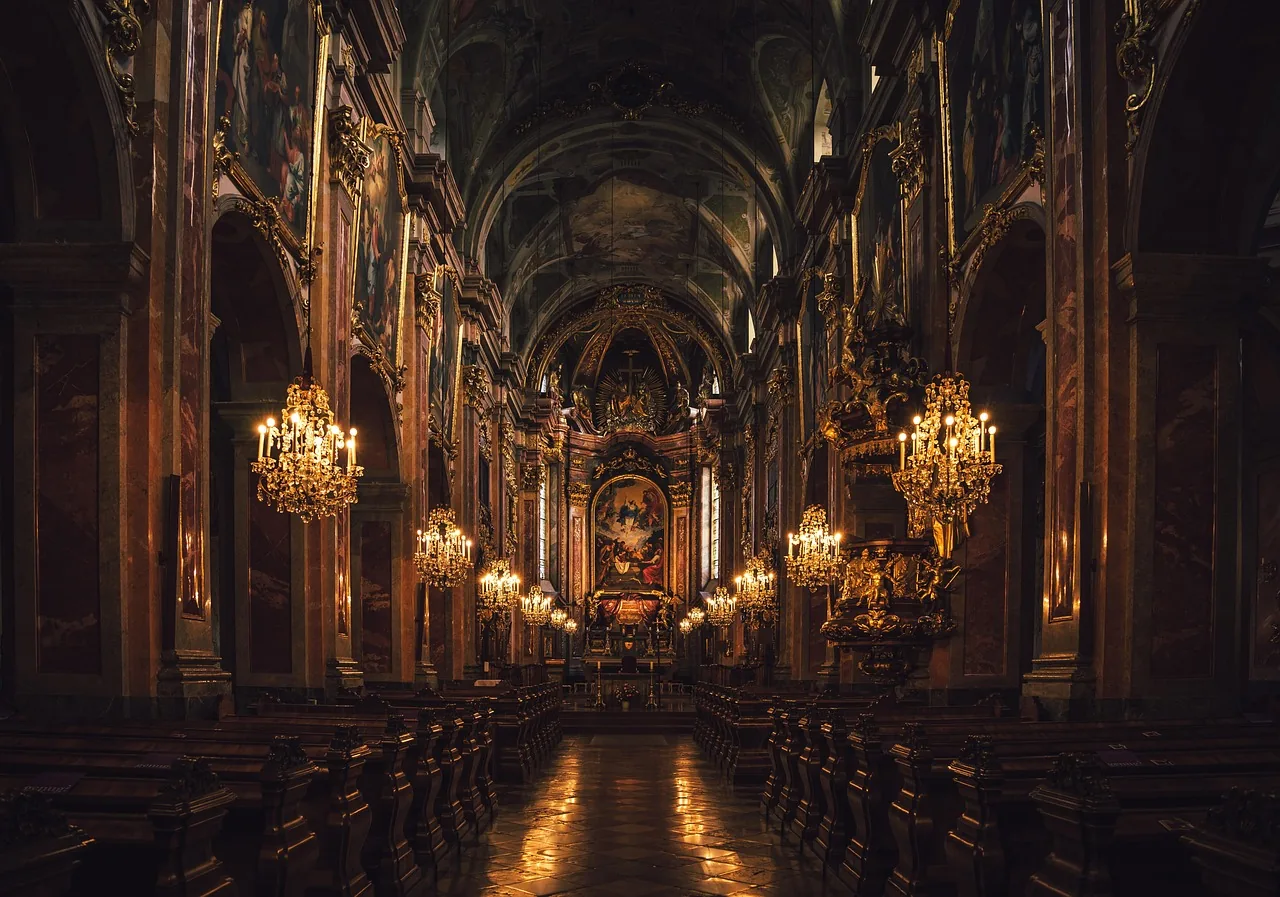
“Pie Jesu”: a soothing musical prayer
From Gabriel Fauré’s Requiem, this piece embodies eschatological gentleness. Its flowing melody evokes the eternal peace promised to the souls of the departed.
The simple, profound Latin words resonate especially:
“Pie Jesu Domine, dona eis requiem”
“Ave Maria”: a tribute to the Mother of Christ
This hymn exists in several forms. The versions by Schubert and Gounod remain the most often performed during services.
Its ABA musical structure allows an alternation between tension and resolution. This dynamic strengthens the emotion carried by the text.
| Composer | Characteristic | Liturgical use |
|---|---|---|
| Schubert | Romantic melody | Weddings |
| Gounod | Based on Bach | Marian ceremonies |
| Taizé | Meditative repetition | Communal prayers |
“In Paradisum”: the heavenly promise
Traditionally sung at funerals, this text evokes the welcome of the angels. It symbolizes the hope of life after death.
To create a prayerful atmosphere, discover contemporary interpretations of these timeless works.
These three major pieces offer different paths toward recollection. Each, in its own way, unites believers in the same spiritual impulse.
How these hymns touch hearts
The power of vocal harmonies transcends words during vigils. These melodies, like the Pie Jesu, become bridges between the living and the departed.
“When the choir begins Pie Jesu, I feel an inexplicable peace. The Latin words carry my prayer toward those I have lost.”
All Saints’ Day vigils rely on these works to create a prayerful atmosphere. According to a University of Lyon study, vocal harmonies reduce grief-related anxiety by 40%.
| Musical element | Emotional impact | Example |
|---|---|---|
| Slow melody | Soothing effect | Ave Maria |
| Polyphony | Community unity | Mozart’s Requiem |
| Repetition | Meditation | Taizé chants |
In Paris, the Sainte-Cécile choir specializes in these repertoires. Its annual concert draws hundreds of people, blending traditions with modern creations.
In October, searches for religious sheet music increase by 70%. This shows that these musical celebrations remain rooted in contemporary spiritual practices.
Conclusion: honoring memory through music
Sacred music unites generations and comforts hearts. These melodies, like the Ave Maria, become living legacies that pass through time.
Share these hymns as a family to cultivate collective memory. Modern initiatives, such as commemorative concerts, revitalize these traditions.
A priest from Lyon emphasizes: “Christian hymns educate the soul as much as they comfort it.” They offer a universal language for expressing hope.
For deep recollection, include a hymn in your ritual. Discover spiritual resources to accompany this moment.
FAQ
Why sing religious hymns during All Saints’ Day?
Which hymns are most popular for this celebration?
How does music influence the atmosphere of commemorations?
Can modern hymns be included during services?
Where can the words of these traditional compositions be found?
Source Links
- https://www.vatican.va/archive/hist_councils/ii_vatican_council/documents/vat-ii_instr_19670305_musicam-sacram_en.html
- https://www.methodist.org.uk/for-churches/resources/lectionary/all-saints-day/
- https://www.liturgytools.net/2012/10/hymns-for-feast-of-all-saints.html
- https://www.newadvent.org/cathen/10648a.htm
- https://qasparish.org/reflective-music-for-a-funeral
- https://www.theliturgyproject.com/sundays/all-saints-day
- https://www.canticanova.com/planning/year-a/plnast_m.htm
- https://hymnary.org/text/for_all_the_saints_who_from_their_labors